
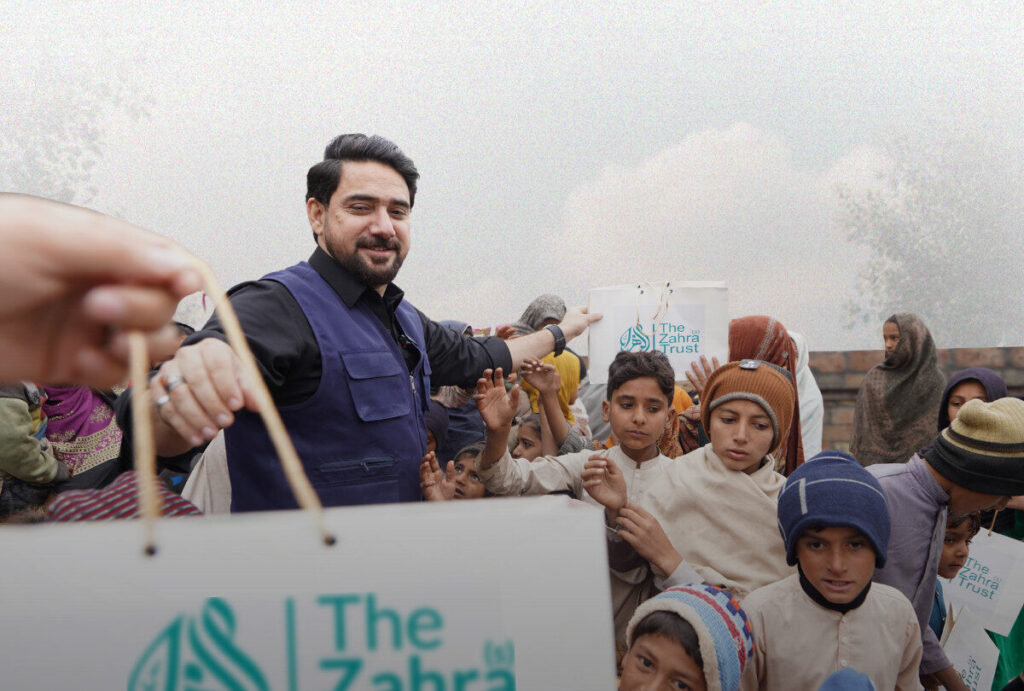
Ramadan is not just a month of fasting.
It is a month of reorientation — from consumption to compassion, from accumulation to circulation.
The Ahlulbayt (as) lived this truth. Their generosity was not occasional or reactive. It was deliberate, preventative, and eternal. They gave not only to ease hunger, but to protect dignity. Not only to relieve pain, but to prevent collapse.
This is the heart of eternal giving.
When Imam Ali (as) fed the hungry, it was not charity as spectacle — it was justice in action.
Food meant peace. A fed family could think, learn, and heal. Hunger, by contrast, created desperation and instability.
The Ahlulbayt (as) understood that stability today is the foundation of tomorrow.
That same principle runs through every act of lasting charity.
Clean water prevents disease before it begins. Medical care stops small wounds from becoming family-ending tragedies. Supporting widows doesn’t just save one life — it teaches resilience to generations of daughters who learn survival by watching strength.
This is why Islamic giving is never framed as loss. It is transfer.
As the Ahlulbayt (as) showed us, wealth kept for oneself disappears. Wealth given in the path of Allah (swt) travels forward — beyond this life.
Ramadan sharpens this awareness. As we feel hunger, we are reminded that a table is not just food. It is security. A well is not just water. It is life. A future is not built on intention alone, but on timely action.
Through The Zahra Trust, these values take form: meals that calm communities, wells that offer unconditional mercy, healthcare that stops spirals before they start, and support that turns survival into legacy.
Eternal giving is not about how much you give.
It’s about what your giving prevents — and what it allows to grow.
FAQ
Giving that continues to benefit others long after the initial act, known as Sadaqah Jariyah.
Through consistent, dignified support that prevented hardship and protected human dignity.
It realigns believers with empathy, restraint, and long-term spiritual investment.
By restoring stability and preventing desperation, not just relieving hunger.
They serve people continuously for decades, without condition.
By focusing on prevention, dignity, and long-term impact rooted in the ethics of the Ahlulbayt (as).
More from blog
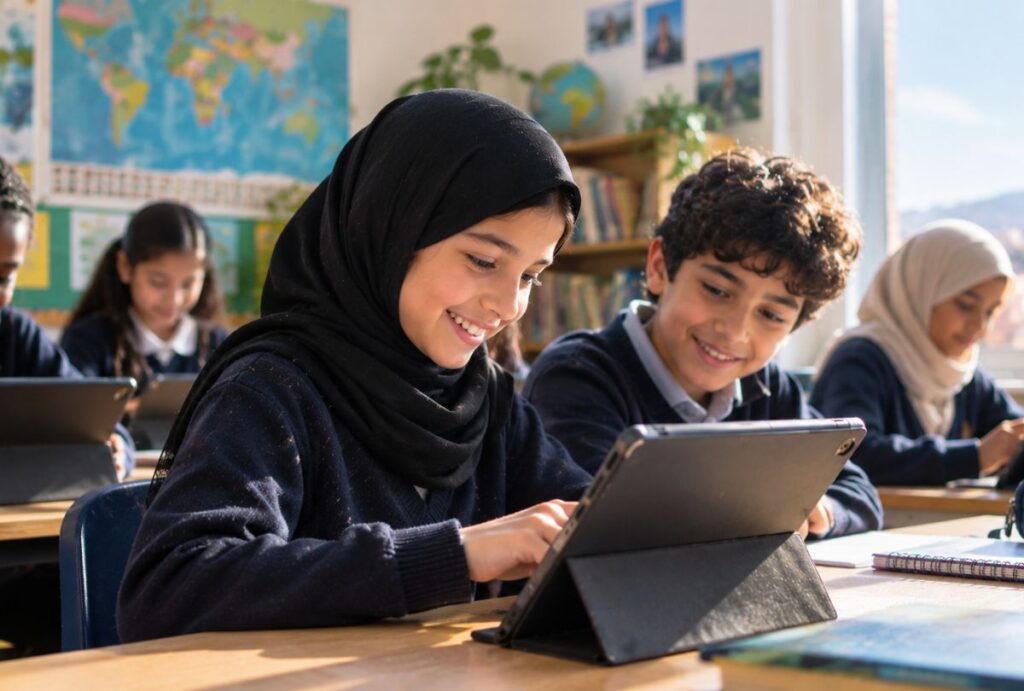
Bridging the Digital Divide Through Education
Discover how education and technology can help bridge the digital divide and create equal learning opportunities. Support children with the tools for…
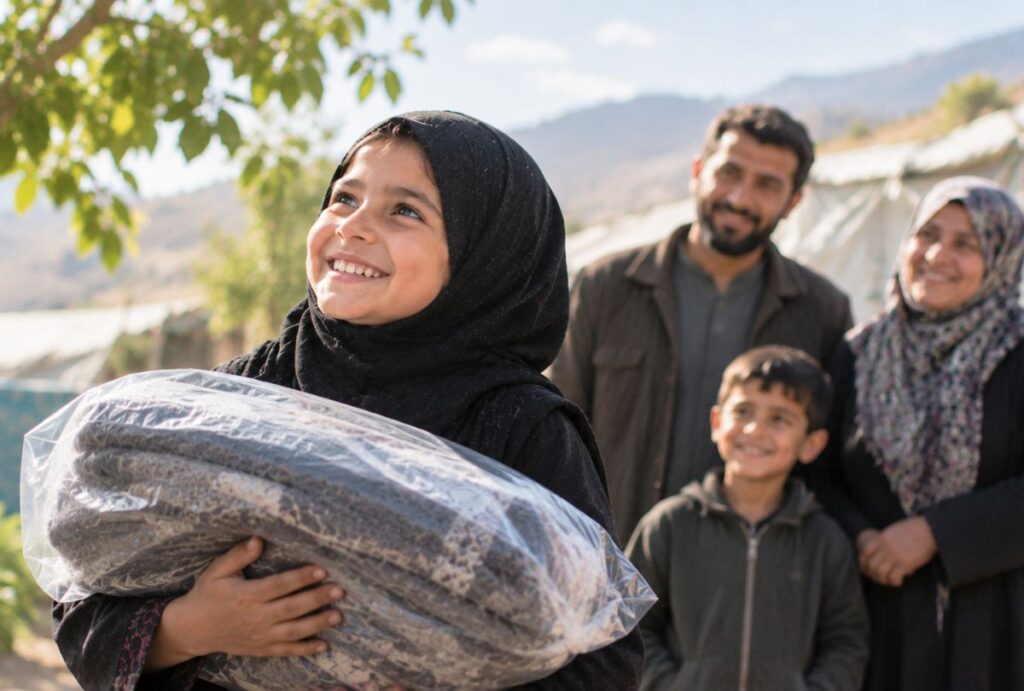
Can Sadaqah Be More Than Money?
Sadaqah isn't only about giving money. Discover how your time, kindness, knowledge and actions can become acts of charity in Islam with…
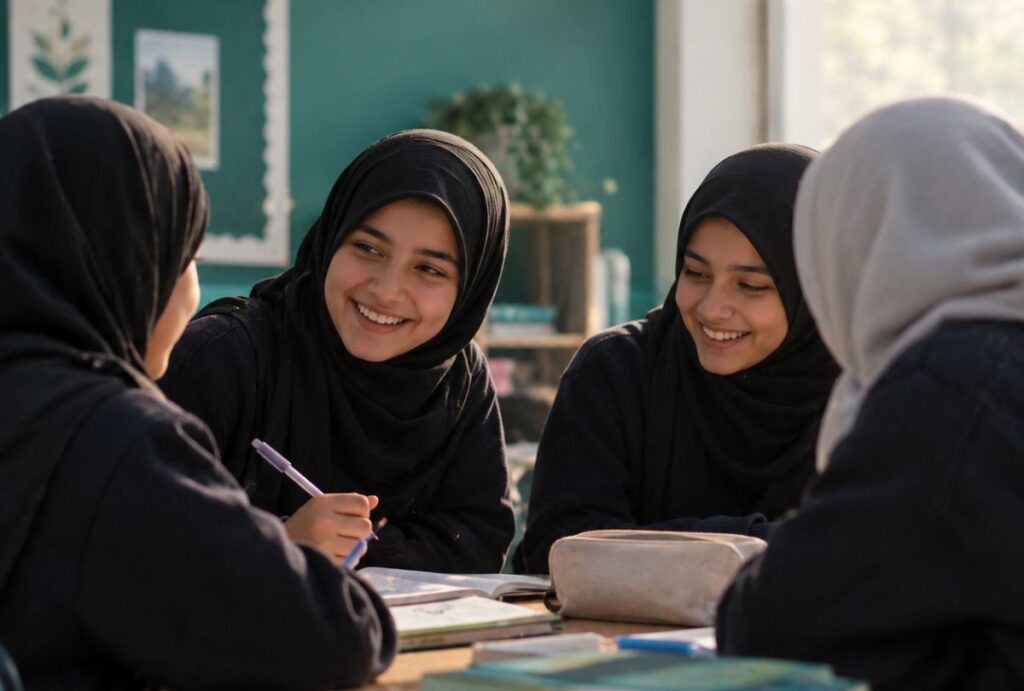
The Future Starts with Education
Invest in education and help vulnerable children build skills, confidence and opportunity. Support The Zahra Trust’s Back to School appeal today.