
What Karbala Teaches Us About Community: Faith, Unity and Service in the Legacy of Imam Hussain (as) | The Zahra Trust
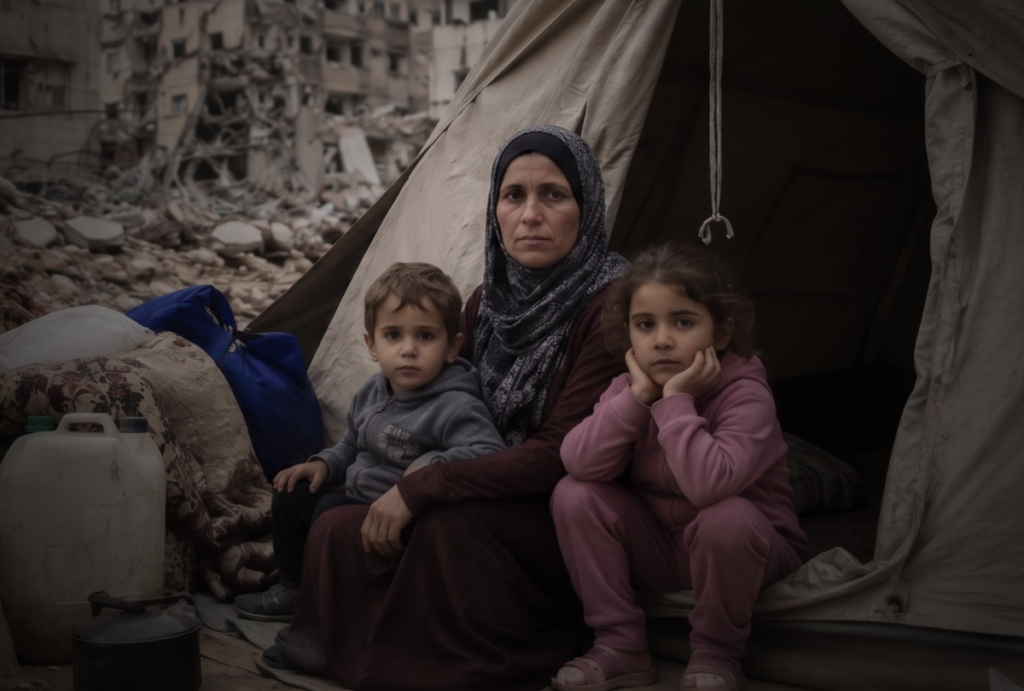
When many people think of Karbala, they think first of sacrifice.
They remember the courage of Imam Hussain (as), the suffering of his family, and the tragedy of Ashura. Yet Karbala is also a powerful lesson about something that remains essential for every generation of believers: community.
The events of Karbala show us what a community looks like when it is built upon faith, loyalty, compassion, and shared purpose. They remind us that no one stands alone in the pursuit of truth and that believers are strongest when they support one another through hardship and ease alike.
More than thirteen centuries later, the lessons of Karbala continue to guide how we care for one another, strengthen our communities, and fulfil our responsibilities towards those in need.
The Strength of Standing Together
His companions came from different backgrounds, ages, and circumstances. Some were young, some were elderly, some had known the Imam (as) for years, while others joined him only shortly before the journey to Karbala. What united them was not wealth, status, or tribal affiliation. It was their shared commitment to truth and justice.
Allah (swt) says in the Holy Quran:
“And hold firmly to the rope of Allah all together and do not become divided.” (3:103)
The companions of Imam Hussain (as) embodied this verse. They remained united even when faced with overwhelming opposition. Their strength came from standing together upon faith and conviction.
Karbala teaches us that communities become resilient when they are rooted in shared values and mutual support.
Supporting One Another Through Difficult Times
The journey to Karbala was filled with hardship, uncertainty, and sacrifice.
Yet throughout those trials, the members of Imam Hussain’s (as) camp continued to support one another. They shared resources, comforted one another, and remained steadfast despite the immense challenges they faced.
This spirit of solidarity offers an important lesson for believers today.
Communities are not defined by how they function during times of ease. Their true character is revealed during moments of difficulty. Whether facing economic hardship, illness, loss, displacement, or personal struggles, strong communities stand together and ensure that no member is left to face their challenges alone.
The teachings of the Ahlulbayt (as) consistently emphasise caring for fellow believers and supporting those who are vulnerable. Karbala provides one of the clearest examples of these principles in action.
Caring for Those Around Us
Imam Hussain (as) demonstrated extraordinary compassion throughout his life and during the events of Karbala.
Even in the midst of crisis, he remained concerned for the wellbeing of others. His example teaches us that true leadership is rooted in mercy, service, and concern for humanity.
A healthy community reflects these qualities.
It notices when families are struggling.
It supports those experiencing hardship.
It provides comfort to those who are grieving.
It creates opportunities for those who have been left behind.
Building Communities Upon Shared Values
The people who stood with Imam Hussain (as) were bound together by more than circumstance.
They were united by faith, sincerity, trust, and a shared understanding of their purpose.
These foundations remain just as important today.
Communities flourish when they are built upon honesty, respect, and mutual responsibility. They become stronger when members trust one another and work together for the common good.
In a world where people often feel isolated or disconnected, Karbala reminds us of the importance of belonging to a community grounded in Islamic values.
Such communities provide spiritual support, emotional encouragement, and practical assistance when it is needed most.
Leaving a Legacy of Service
One of the most enduring lessons of Karbala is that every believer has the ability to make a positive difference.
The companions of Imam Hussain (as) are remembered because they chose service over self-interest and sacrifice over comfort.
Their actions continue to inspire millions of people around the world.
Today, believers honour that legacy whenever they help a neighbour, support a family in need, volunteer their time, or contribute towards charitable causes that strengthen communities.
Acts of service may appear small, but their impact often extends far beyond what we can see.
A meal provided to a hungry family.
An education supported for a child.
A livelihood restored to a struggling household.
Each act contributes to a stronger and more compassionate community.
What Karbala Teaches Us About Community Today
The lessons of Karbala remain deeply relevant in our modern world.
They remind us that communities thrive when people support one another through hardship, care for the vulnerable, and unite around shared values.
They teach us that faith is not merely an individual responsibility but a collective one. We are called not only to strengthen ourselves, but also to strengthen those around us.
When believers work together with sincerity and compassion, they create communities that reflect the values taught by Imam Hussain (as) and the Ahlulbayt (as).
Building Stronger Communities Through Giving
Whether through providing food, supporting education, improving livelihoods, or delivering humanitarian aid, every donation helps create positive change for vulnerable families around the world.
This Muharram, honour the lessons of Karbala by investing in the wellbeing of others.
Support those facing hardship.
Strengthen communities.
Continue the legacy of service inspired by Imam Hussain (as).
Frequently Asked Questions
What does Karbala teach us about community?
Karbala teaches that strong communities are built upon faith, unity, compassion, and mutual support. The companions of Imam Hussain (as) demonstrated the importance of standing together through hardship and remaining united in pursuit of truth.
Why is community important in Islam?
Islam emphasises the importance of supporting one another, maintaining strong relationships, and caring for those who are vulnerable. Believers are encouraged to work together for the benefit of society and strengthen community bonds.
How did Imam Hussain (as) demonstrate care for others?
Throughout his life and during the events of Karbala, Imam Hussain (as) showed compassion, mercy, and concern for the wellbeing of others. His example continues to inspire Muslims to serve and support their communities.
What values united the companions of Imam Hussain (as)?
The companions of Imam Hussain (as) were united by faith, loyalty, sincerity, courage, and a shared commitment to justice and truth.
How can Muslims strengthen their communities today?
Muslims can strengthen their communities by supporting charitable causes, helping neighbours, volunteering, caring for vulnerable people, participating in community initiatives, and promoting unity and compassion.
What role does charity play in building strong communities?
Charity helps address hardship, supports vulnerable families, creates opportunities, and strengthens social bonds. It is one of the most effective ways to build resilient and compassionate communities.
Why is Karbala still relevant today?
Karbala continues to provide timeless lessons about justice, sacrifice, leadership, unity, and community responsibility. These values remain essential for Muslims living in every generation.
How can I honour the legacy of Imam Hussain (as)?
You can honour Imam Hussain (as) by embodying his values through faith, service, compassion, generosity, and support for those facing hardship.
More from blog
Bridging the Digital Divide Through Education
Discover how education and technology can help bridge the digital divide and create equal learning opportunities. Support children with the tools for…
Can Sadaqah Be More Than Money?
Sadaqah isn't only about giving money. Discover how your time, kindness, knowledge and actions can become acts of charity in Islam with…
The Future Starts with Education
Invest in education and help vulnerable children build skills, confidence and opportunity. Support The Zahra Trust’s Back to School appeal today.