
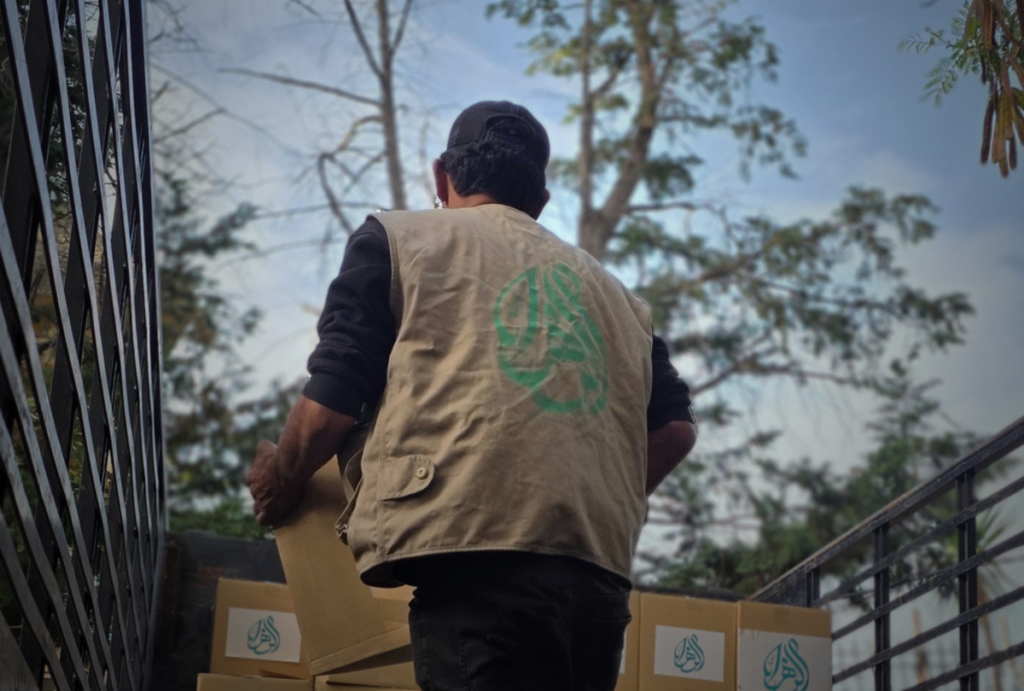
A lasting legacy is not measured by wealth, status, or possessions. In Islam, it is defined by the impact a person leaves behind through faith, action, and sincerity. It is the footprint of goodness that continues to benefit others long after a person has returned to their Creator.
From the perspective of the teachings of the Ahlulbayt (as), a legacy is something living. It continues to grow through the people you have helped, the knowledge you have shared, and the goodness you have inspired. A true lasting legacy is therefore not limited to a lifetime, but extends into eternity through ongoing reward.
One of the most powerful reminders of this concept comes from the Holy Quran:
This verse highlights that sincere giving creates a continuous reward that is preserved with Allah (swt), untouched by time or loss.
The Quranic foundation of a lasting legacy
The Quran repeatedly reminds believers that what they give for the sake of Allah (swt) never truly leaves them. Instead, it becomes part of their eternal record.
Verse 274 of Surah al-Baqarah shows that charity is not confined to momentary action. It becomes a source of safety and peace in the hereafter. A lasting legacy is therefore rooted in consistent generosity, not occasional acts.
This understanding shifts how believers view their actions. Instead of focusing only on immediate results, they focus on what continues to benefit others long after they are gone. This is the heart of Islamic legacy building: impact that outlives the individual.
Legacy through impact and intention
A lasting legacy is shaped by both intention and action. It is not only what a person does, but why they do it and how consistently they live those values.
Imam al-Sadiq (as) is reported to have said:
Bihar al-Anwar, v.5, p.140, n.7
This hadith highlights a profound truth. Human life is deeply connected to moral conduct and the way one treats others. Goodness extends life in meaning and impact, while wrongdoing diminishes it.
A legacy, therefore, is not accidental. It is built through daily choices that prioritise compassion, justice, and service to others.
Ongoing reward and sadaqah jariyah
One of the strongest foundations of a lasting legacy in Islam is the concept of ongoing reward (Sadaqah Jariyah). This is reward that continues even after death.
Imam al-Sadiq (as) is reported to have said:
Al-Kafi, v.7, ch.36, n.193
This narration shows that legacy is sustained through three powerful channels: continuous charity, beneficial guidance, and righteous offspring.
In another narration of Imam al-Sadiq (as), the scope of ongoing benefit is expanded further:
Man La Yahduruh al-Faqih, v.4, ch. 127, n.612
These examples illustrate that Islam encourages believers to build systems of benefit that continue to serve humanity. This is the essence of a lasting legacy.
Continuity of good deeds and divine love
Consistency is a defining feature of a meaningful life in Islam. Even small actions, when sustained, carry immense value.
Imam al-Baqir (as) is reported to have said:
Al-Kafi, v.2, ch.41, n.214
This hadith reframes how believers view their contributions. It is not the size of the deed that matters most, but its continuity. A lasting legacy is built through steady, consistent acts of goodness that never cease entirely.
Over time, these small actions accumulate into something far greater than the sum of their parts
Loyalty through the example of the Ahlulbayt (as)
The Ahlulbayt (as), particularly Imam Hussain (as), provide the most powerful example of a lasting legacy in action. The message of Karbala was not limited to one moment in history. It continues to inspire justice, sacrifice, and truth across generations.
Imam Hussain (as) stood for values that transcend time: dignity, truthfulness, and resistance against oppression. His legacy is not preserved through words alone, but through the actions of those who continue to live by his principles.
This is where legacy becomes active rather than historical. It lives in every act of service, every stand for justice, and every moment of sincere giving inspired by his sacrifice.
A true lasting legacy is therefore a continuation of that message in daily life.
Legacy beyond Muharram
Muharram is a time of deep reflection and remembrance. However, its purpose extends beyond a temporary period of mourning. It is meant to transform hearts and inspire lasting action.
A lasting legacy is one that continues long after Muharram ends. It is built through sustained generosity and ongoing support for those in need. It is about turning remembrance into action that benefits communities throughout the year.
Let your remembrance continue long after Muharram ends. Support projects that create ongoing reward and lasting impact.
A legacy that lives on is one that carries the message of Karbala forward. It is a commitment to give beyond the season and to build something that continues to serve humanity long after the moment has passed.
Building your own lasting legacy
A lasting legacy is not created in a single moment. It is built through intention, consistency, and sincere action. The teachings of the Quran and Ahlulbayt (as) remind us that what truly lasts is what benefits others and earns ongoing reward with Allah (swt).
As Muharram inspires reflection, it also calls for action. The challenge is to carry that inspiration forward into the rest of the year and beyond.
Let your remembrance become something enduring. Let your giving become something continuous. Let your legacy be one that lives on.
Support projects that create ongoing reward and lasting impact through The Zahra Trust.
Frequently asked questions
What is meant by a lasting legacy in Islam?
A lasting legacy in Islam refers to the good deeds, impact, and contributions that continue to benefit others and bring reward even after a person has passed away.
How does Sadaqah Jariyah contribute to a legacy?
Sadaqah Jariyah creates ongoing reward because its benefits continue to help people over time, extending the giver’s reward beyond their lifetime.
Why is consistency important in building a legacy?
Consistency ensures that even small good deeds accumulate into significant long-term impact, which is highly valued in Islamic teachings.
How does the Quran describe lasting reward?
The Quran describes lasting reward as something preserved with Allah (swt), especially for those who give sincerely and consistently.
What can we learn from Imam Hussain (as) about legacy?
Imam Hussain (as) teaches us that a legacy is built through standing for truth, justice, and sacrifice for the sake of Allah (swt), even in the most difficult circumstances.
Can small deeds really create a lasting legacy?
Yes, even small deeds can create a lasting legacy if they are consistent and continue to benefit others over time.
More from blog

Bridging the Digital Divide Through Education
Discover how education and technology can help bridge the digital divide and create equal learning opportunities. Support children with the tools for…
Can Sadaqah Be More Than Money?
Sadaqah isn't only about giving money. Discover how your time, kindness, knowledge and actions can become acts of charity in Islam with…
The Future Starts with Education
Invest in education and help vulnerable children build skills, confidence and opportunity. Support The Zahra Trust’s Back to School appeal today.