
How Mosques Restore Communities: Faith, Education and Hope for Future Generations | The Zahra Trust
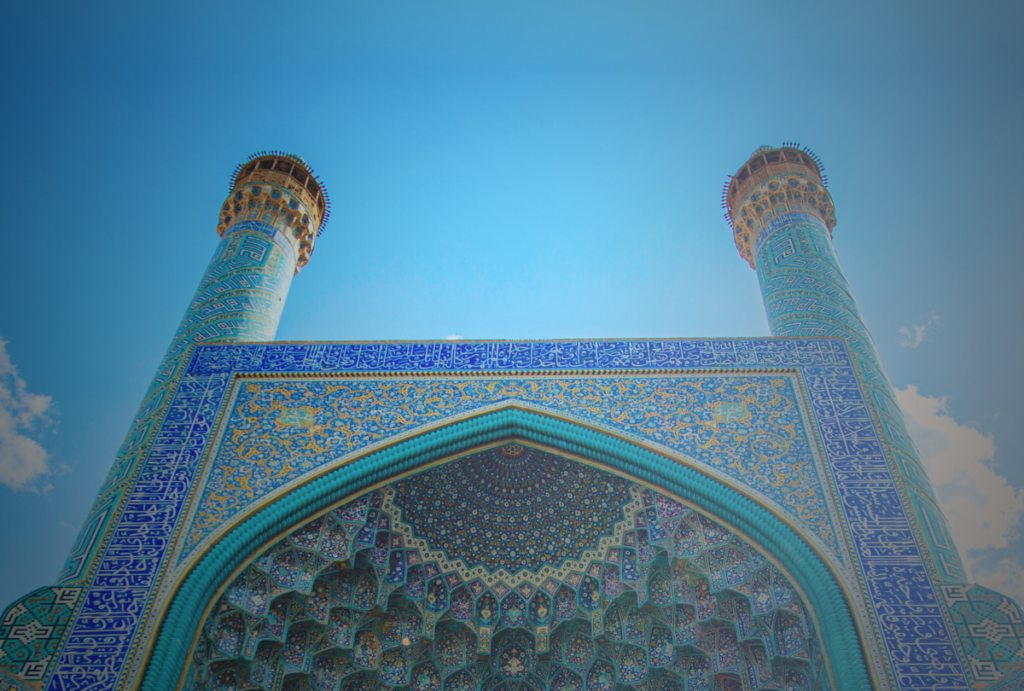
When people think of a mosque, they often think first of prayer.
They picture believers standing shoulder to shoulder in worship, gathering to remember Allah (swt), and strengthening their connection to faith. Yet throughout Islamic history, mosques have always been far more than places of prayer alone.
They have served as centres of learning, places of refuge, hubs of community support, and foundations upon which entire societies have been built.
For many vulnerable communities around the world today, a mosque remains one of the most important institutions in daily life. It is a place where faith is nurtured, knowledge is shared, and people come together to support one another through both hardship and celebration.
The story of Islam itself shows us that when mosques are strengthened, communities are strengthened alongside them.
More Than a Place of Prayer
From the very beginning of Islam, the mosque occupied a central role within the Muslim community.
When the Prophet Muhammad (saww) migrated to Medina, one of his first actions was to establish a mosque. This was not simply a place where prayers would be performed. It became the heart of the growing Muslim community.
The mosque served as a place of worship, consultation, education, and social support. It was where people gathered to seek guidance, resolve disputes, learn about their faith, and strengthen their relationships with one another.
This model continues today.
A mosque provides a sense of belonging. It creates a space where people from different backgrounds can come together as one community united by faith.
In many parts of the world, particularly where resources are limited, the mosque remains one of the few places where everyone is welcomed and supported regardless of their circumstances.
The Mosque as a Centre of Learning
Education has always occupied a special place within Islamic tradition.
The first revelation received by the Prophet Muhammad (saww) began with the command:
Mosques have long played a vital role in fulfilling this command.
Throughout history, some of the Muslim world’s greatest scholars taught within mosques. These sacred spaces became centres of knowledge where people gathered to learn the Qur’an, study Islamic sciences, and develop the understanding needed to serve their communities.
Today, mosques continue to fulfil this important role.
Children attend Qur’an classes and learn the foundations of their faith.
Young people gain guidance that helps them navigate modern challenges.
Adults participate in educational programmes that strengthen their understanding of Islam throughout their lives.
When communities have access to learning, they are better equipped to build brighter futures. By supporting mosques, we support the educational growth of generations to come.
A Source of Care and Community Support
The role of a mosque extends far beyond education and worship.
Mosques often become places where people turn during times of hardship.
Families facing difficulties seek support from their local mosque.
Those experiencing loneliness find companionship and belonging.
Community members facing challenges receive guidance, encouragement, and practical assistance.
Allah (swt) says in the Holy Qur’an:
This verse highlights the responsibility believers have towards maintaining and supporting the houses of Allah (swt).
When mosques are cared for, they become centres of compassion that strengthen the social fabric of entire communities.
They help foster relationships between neighbours.
They support vulnerable families.
They provide a foundation for collective care and responsibility.
Rebuilding Mosques, Restoring Hope
For many communities affected by poverty, conflict, natural disasters, or displacement, the loss of a mosque can be devastating.
The mosque often serves as the spiritual and social heart of the community. When it is damaged or destroyed, people lose more than a building.
They lose a gathering place.
They lose a centre of learning.
They lose an important source of support and guidance.
Rebuilding a mosque helps restore these essential functions.
It creates a place where people can reconnect with their faith.
It provides opportunities for education and community development.
It strengthens the bonds that bring people together.
Most importantly, it restores hope.
A rebuilt mosque signals that a community has not been forgotten. It becomes a symbol of resilience and renewal for generations to come.
Building Resilient Communities Through Faith
Strong communities are built upon strong foundations.
Mosques provide one of the most important foundations a Muslim community can possess.
They nurture spiritual wellbeing.
They encourage lifelong learning.
They support vulnerable individuals and families.
They bring people together around shared values and common purpose.
In an increasingly fragmented world, mosques continue to offer something invaluable: connection.
They remind believers that they are part of a wider community and that faith is strengthened when people support one another.
This is why investing in mosques is ultimately an investment in people.
The Lasting Impact of a Mosque
The benefits of a mosque extend far beyond the present moment.
A child who learns to recite Qur’an within its walls may carry that knowledge throughout their life.
A family supported during hardship may find renewed stability and hope.
A community brought together through worship and service may continue to flourish for decades.
The rewards of maintaining and supporting a mosque continue long after construction is complete.
Every prayer performed.
Every lesson taught.
Every person helped.
Each contributes to an ongoing legacy of benefit that touches countless lives.
Help Restore Communities Through Mosque Projects
At The Zahra Trust, we recognise the transformative role mosques play in strengthening communities around the world.
By supporting mosque construction and restoration projects, you help create spaces where faith can flourish, education can thrive, and communities can rebuild with dignity and hope.
This Muharram, honour the values of the Ahlulbayt (as) by supporting projects that strengthen communities for generations to come.
Help restore a mosque.
Help restore a community.
Help restore hope.
FAQs
Why are mosques important in Islam?
Mosques are places of worship, education, community support, and spiritual development. They serve as central institutions within Muslim communities and help strengthen faith and social bonds.
How do mosques benefit local communities?
Mosques provide opportunities for worship, religious education, community programmes, charitable initiatives, and support for individuals and families facing hardship.
What role do mosques play in Islamic education?
Mosques often host Qur’an classes, Islamic studies programmes, lectures, and educational activities that help people of all ages strengthen their understanding of Islam.
Why is rebuilding mosques important?
Rebuilding mosques restores places of worship, learning, and community gathering. It helps communities recover from conflict, poverty, displacement, or disaster while preserving important spiritual and social functions.
What does the Qur’an say about maintaining mosques?
Allah (swt) says: “The mosques of Allah are only to be maintained by those who believe in Allah and the Last Day…” (9:18). This verse highlights the importance of supporting and caring for the houses of Allah (swt).
How do mosques help vulnerable families?
Many mosques provide practical support, community services, charitable assistance, counselling, and guidance to individuals and families facing challenges.
What is the reward for supporting a mosque?
Supporting a mosque contributes to ongoing acts of worship, education, and community benefit. Many Muslims view this as a form of Sadaqah Jariyah, or continuous charity.
How can I help restore communities through The Zahra Trust?
You can support mosque construction and restoration projects through The Zahra Trust, helping provide spaces for worship, education, community development, and long-term social support.
More from blog
Bridging the Digital Divide Through Education
Discover how education and technology can help bridge the digital divide and create equal learning opportunities. Support children with the tools for…
Can Sadaqah Be More Than Money?
Sadaqah isn't only about giving money. Discover how your time, kindness, knowledge and actions can become acts of charity in Islam with…
The Future Starts with Education
Invest in education and help vulnerable children build skills, confidence and opportunity. Support The Zahra Trust’s Back to School appeal today.