
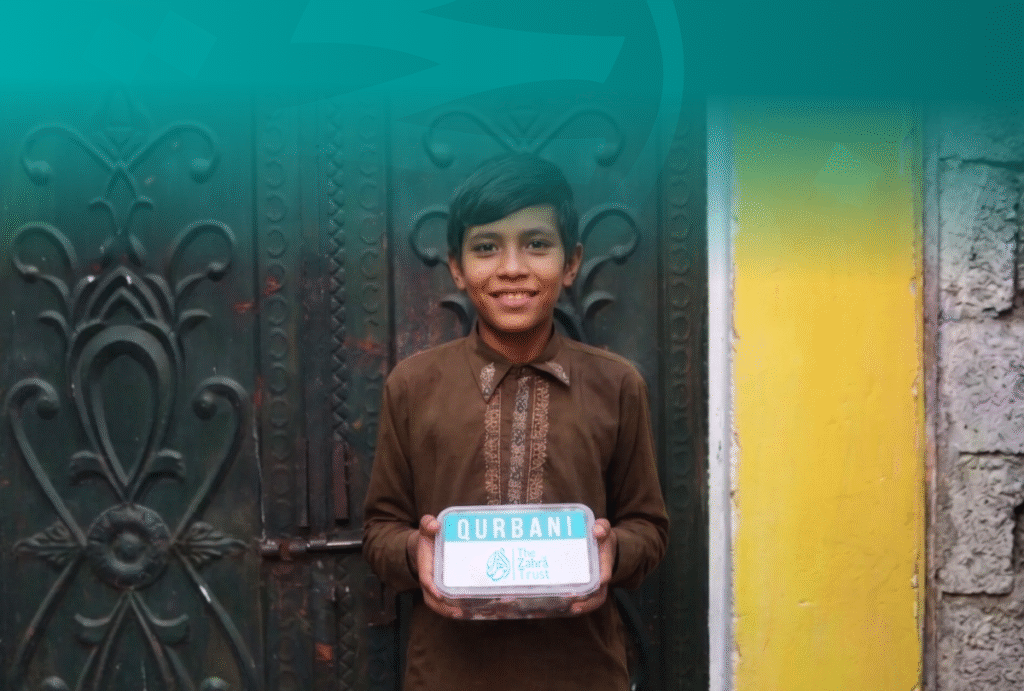
Every year during Eid al-Adha, millions of Muslims give Qurbani, also known as Udhiyah, as an act of worship, compassion, and remembrance.
But many donors often wonder what happens after their donation is made and how their Qurbani reaches families in need.
At The Zahra Trust, every Qurbani is carefully managed to ensure vulnerable families receive fresh meat during Eid, while also supporting ethical sourcing, responsible distribution, and long-term community wellbeing.
As Allah (swt) reminds us in the Quran:
“Never will the (animals’) flesh or their blood reach Allah (swt); however, what reaches Him from you is piety…”
Surah Al-Hajj, Ayah 37
Qurbani is not only about sacrifice.
It is about sincerity, dignity, and ensuring others can share in the blessings of Eid.
What happens after you give Qurbani?
Once your donation is made, preparations begin with trusted local teams and partners who coordinate every stage of the Qurbani process.
The sacrifice takes place during Eid al-Adha in accordance with Islamic guidelines.
In most cases, Qurbani is carried out on the day of Eid, with distribution taking place on Eid day or shortly afterwards.
Fresh meat is then delivered to vulnerable families including:
- Widows
- Orphans
- Refugees
- Displaced families
- Low-income households
This careful process helps ensure your Qurbani reaches people with dignity, care, and efficiency during one of the most important times of the Islamic calendar.
Feeding families during Eid al-Adha
For many vulnerable households, Qurbani meat may be one of the few opportunities in the year to enjoy a nutritious meal containing fresh meat.
Prophet Muhammad (saww) is reported to have said:
“Allah (swt) has established this Udhiyah so that your poor may eat meat, so feed them.”
Wasail al-Shiah, v.14, s.3, ch.14, h.18989
This spirit of compassion remains at the heart of every Qurbani programme delivered through The Zahra Trust.
By helping families celebrate Eid with nourishment and dignity, Qurbani eases financial pressure and reminds communities that they are not forgotten.
Ethical and climate-conscious Qurbani
Qurbani should benefit both people and communities responsibly.
That is why The Zahra Trust supports ethical and climate-conscious approaches wherever possible.
Animals are sourced through trusted partners, while distribution is carefully planned to minimise waste and maximise impact.
Supporting local farmers and local food systems also helps strengthen communities beyond the days of Eid itself.
Responsible Qurbani is not only about delivering meat.
It is about delivering support in a way that protects dignity, values resources, and contributes to long-term wellbeing.
Qurbani and sustainable development goals
Qurbani also supports wider humanitarian goals that help communities facing poverty, hunger, and inequality.
Through food distribution programmes, Qurbani contributes towards:
- Reducing poverty
- Improving food security
- Supporting health and wellbeing
- Helping vulnerable families access nutritious meals during Eid al-Adha
These efforts align with several United Nations Sustainable Development Goals, including:
- SDG 1: No Poverty
- SDG 2: Zero Hunger
- SDG 3: Good Health and Well-being
- SDG 10: Reduced Inequalities
- SDG 12: Responsible Consumption and Production.
Each Qurbani becomes part of a wider effort to support families with compassion, responsibility, and care.
A trust placed with purpose
When you give your Qurbani, you are doing more than fulfilling an obligation.
You are helping families experience the joy of Eid with dignity and nourishment.
From the moment your donation is made to the moment it reaches a family in need, every step matters.
And while the sacrifice itself takes place on Eid al-Adha, the impact of your generosity can be felt long after Eid has passed.
Frequently Asked Questions
Qurbani takes place during Eid al-Adha, usually on the day of Eid or shortly afterwards in accordance with Islamic guidelines.
Qurbani meat is distributed to vulnerable families including widows, orphans, refugees, displaced people, and low-income households.
The Zahra Trust works with trusted local partners to ensure animals are sourced responsibly and meat is distributed carefully to families most in need.
Qurbani commemorates the devotion and obedience of Prophet Ibrahim (as) while encouraging generosity, compassion, and support for vulnerable people.
Yes. Qurbani provides nutritious food to families who may otherwise struggle to access fresh meat and balanced meals.
Qurbani programmes can support food security, reduce inequalities, strengthen local food systems, and promote responsible distribution practices.
More from blog
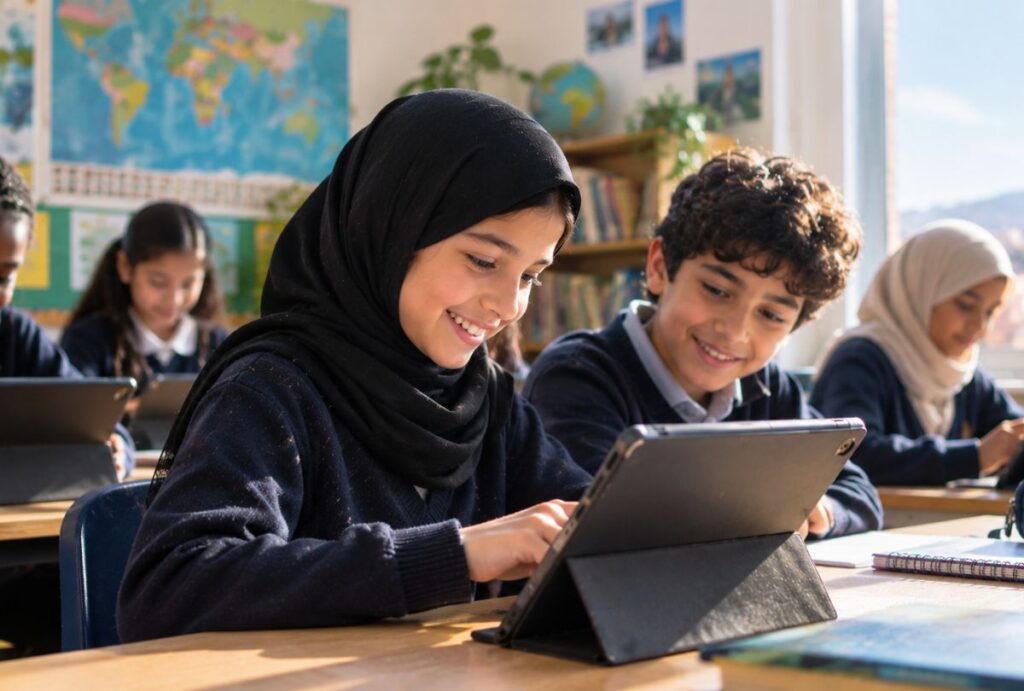
Bridging the Digital Divide Through Education
Discover how education and technology can help bridge the digital divide and create equal learning opportunities. Support children with the tools for…
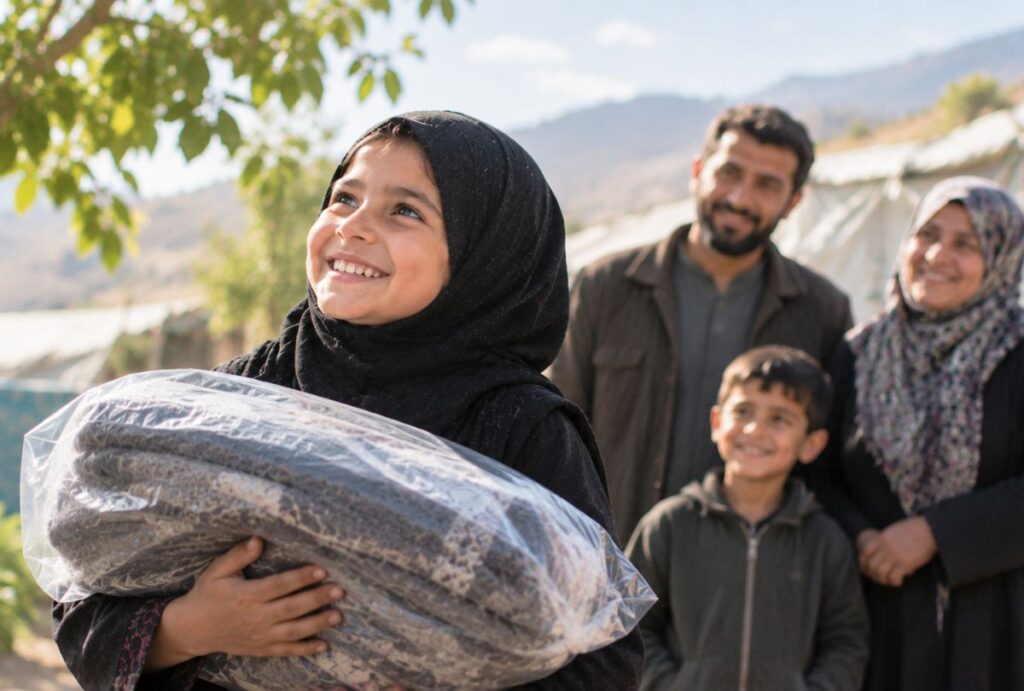
Can Sadaqah Be More Than Money?
Sadaqah isn't only about giving money. Discover how your time, kindness, knowledge and actions can become acts of charity in Islam with…
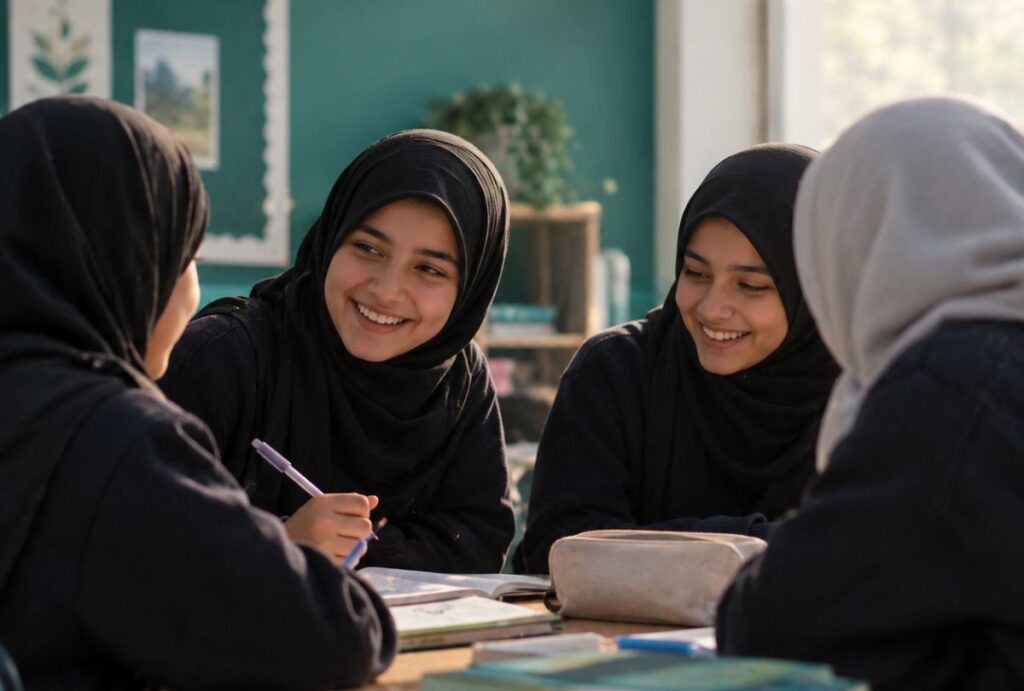
The Future Starts with Education
Invest in education and help vulnerable children build skills, confidence and opportunity. Support The Zahra Trust’s Back to School appeal today.