
One illness. One failed harvest. One unexpected cost.
For families living on the edge, that’s all it takes for life to unravel.
Children leave school. Food runs short. Hope narrows to survival.
When people are trapped in crisis, they don’t plan for tomorrow — they fight for today.
Microfinance exists to stop that moment from becoming a collapse.
At its simplest, microfinance provides small loans and financial tools to people excluded from traditional banking.
But its true purpose is deeper: to create stability before desperation turns into disaster.
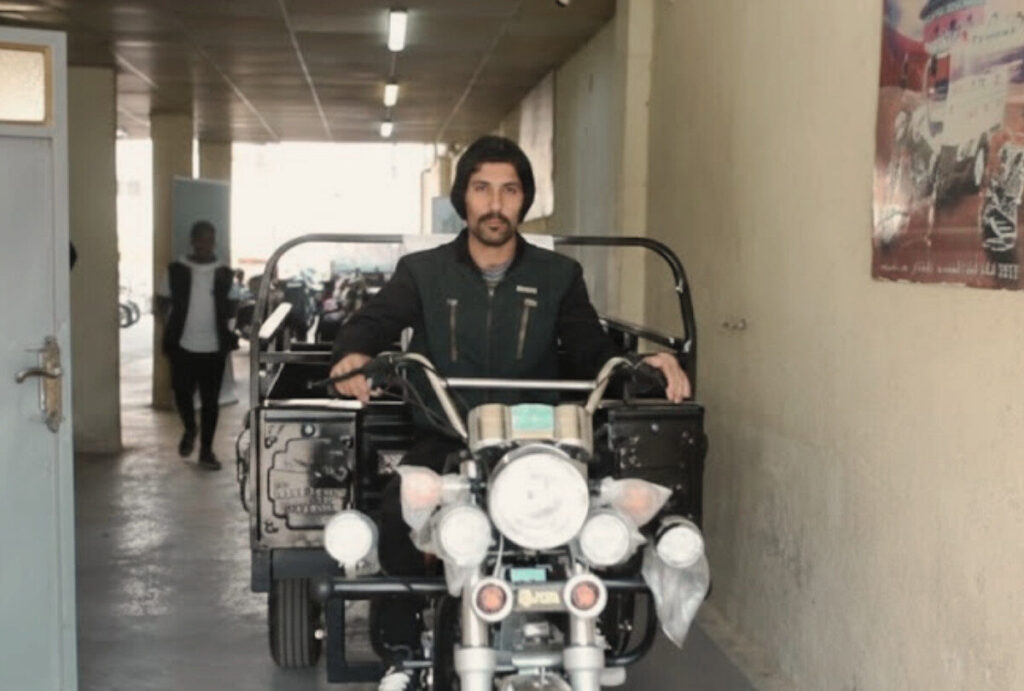
A modest loan can keep a business alive.
It can pay for medicine before a treatable infection spirals into tragedy. It can give a widow the means to earn with dignity rather than depend on aid.
These aren’t grand gestures — they’re timely interventions. And timing changes everything.
Microfinance works because it respects people as capable decision-makers. It doesn’t assume weakness. It assumes potential.
When families have even a small financial cushion, they make better choices — for education, health, and the future.
This is how cycles break. Fed families plan. Stable households invest. Children grow up seeing resilience instead of fear. Over time, communities become calmer, safer, and more hopeful.
In that sense, microfinance is not just economic support — it’s quiet peace-building. It reflects a Qur’anic principle: wealth is a trust, meant to move, not stagnate. When it circulates fairly, it lifts more than one life.
Microfinance doesn’t promise miracles.
It offers something more powerful: a future that doesn’t fall apart at the first shock.
FAQ
It provides small loans and financial services to people without access to banks.
It prevents small problems from becoming life-changing crises.
It’s impact-focused support that promotes self-reliance, not dependency.
Widows, parents, small business owners, and financially excluded households.
Yes. Funds are repaid and reused, creating long-term impact.
Because stability allows people to plan, grow, and thrive.
More from blog
Bridging the Digital Divide Through Education
Discover how education and technology can help bridge the digital divide and create equal learning opportunities. Support children with the tools for…
Can Sadaqah Be More Than Money?
Sadaqah isn't only about giving money. Discover how your time, kindness, knowledge and actions can become acts of charity in Islam with…
The Future Starts with Education
Invest in education and help vulnerable children build skills, confidence and opportunity. Support The Zahra Trust’s Back to School appeal today.