
Timeless Advice from Imam Ali (as) to Imam Hassan (as): Lessons from Letter 31 of Nahjul Balagha
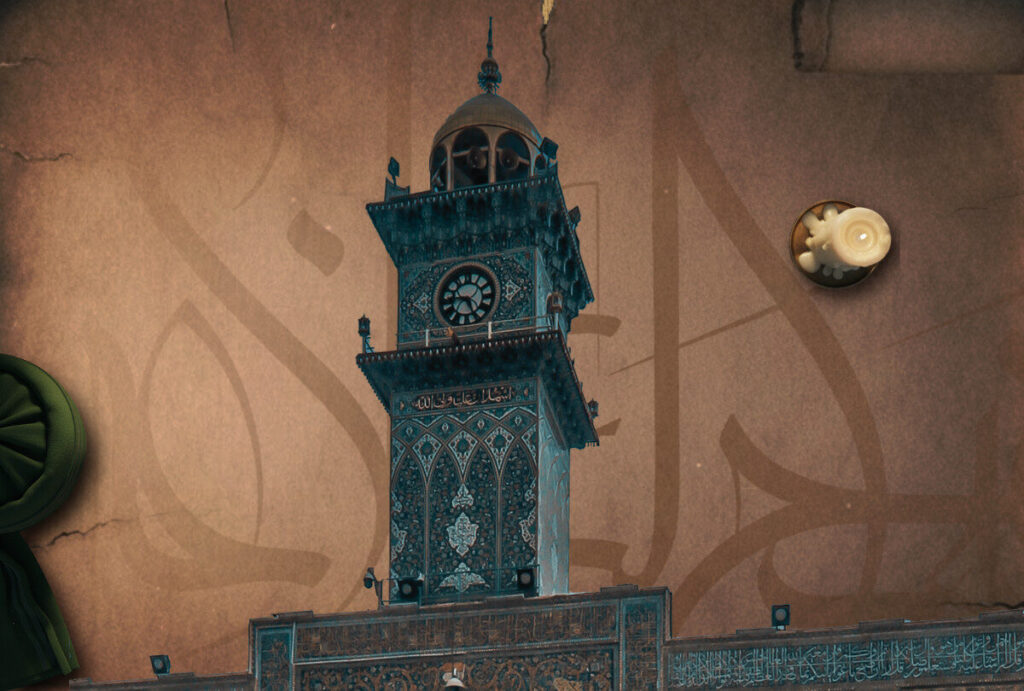
Some words are written for a moment. Others are written for eternity.
Letter 31 of Nahjul Balagha captures a deeply intimate moment.
A father writes to his son, but this is no ordinary father and no ordinary son.
Imam Ali (as), the Commander of the Faithful, addresses Imam Hassan (as) after the Battle of Siffin, during a period of profound trial, loss, and reflection.
The world around them is unsettled.
Truth has been challenged.
Justice has been resisted.
The weight of leadership and responsibility is heavy.
Yet the letter is not filled with political instruction or tactical advice.
Instead, Imam Ali (as) writes about the heart, the soul, and the path to Allah (swt).
Although addressed to Imam Hassan (as), the wisdom of this letter reaches far beyond that moment in history.
It speaks to every believer striving to live with faith, purpose, and integrity in a complicated world.
Living in a World Searching for Guidance
Today, many people feel overwhelmed.
Moral certainty feels fragile. Distractions are constant.
Success is often measured by wealth, status, or visibility rather than character and sincerity.
Even those who wish to live faithfully can feel unsure about where to turn for clarity.
Imam Ali’s (as) letter offers something rare: guidance that is rooted in divine consciousness rather than changing trends.
It reminds us that faith is not merely belief, but a way of living that shapes how we treat others, how we give, and how we prepare for what lies ahead.
This is why returning to the words of the Ahlulbayt (as) is not an act of nostalgia.
It is an act of survival for the soul.
Pause, Reflect, and Reconnect
Before continuing, pause for a moment.
This letter is not meant to be skimmed. It is meant to be received.
Its guidance asks us to reflect on who we are becoming and what we are carrying forward.
In the quiet of reflection, especially during Shahr Ramadan, hearts soften and intentions become clearer.
Now is the time to listen.
Guidance Rooted in Consultation and Conscious Living
Allah (swt) reminds us in the Quran of the qualities of those who are rightly guided:
“Those who answer (the call of) their Lord, perform the ritual prayer, and (decide on) their (social) affairs by mutual consultation, and spend from whatever We have given them.”
Surah Ash-Shura, Verse 28
Although this verse is not directly tied to Letter 31, it reflects the same spirit.
Seeking advice, acting with intention, and spending in the way of Allah (swt) are signs of a heart aligned with faith.
Imam Ali’s (as) letter embodies this balance between personal responsibility and care for others.
Justice Begins with How We Treat Others
Imam Ali (as) writes:
“You should desire for others what you desire for yourself and hate for others what you hate for yourself. Do not oppress as you do not like to be oppressed. Do good to others as you would like good to be done to you. Regard bad for yourself whatever you regard bad for others. Accept that (treatment) from others which you would like others to accept from you.”
This advice cuts through complexity. It places justice within everyday behaviour.
Faith is not proven through words alone, but through fairness, empathy, and restraint.
This teaching also challenges us to look beyond obligation.
Giving is not simply about fulfilling a duty.
It is about recognising the dignity of others and responding with sincerity.
During Shahr Ramadan, when generosity is multiplied, this principle becomes even more powerful.
Charity as a Provision of the Hereafter
One of the most striking passages in the letter speaks directly about giving:
“Whenever you come across a needy person who can carry for you your provision to hand it back to you on the Day of Judgement when you will need it, then accept him as a good opportunity and get him to carry it. Put in that provision as much-as you are able to, for it is likely that if you may need him (afterwards), you may not get hold of him.”
Here, charity is reframed entirely.
The needy person is not a burden, but an opportunity. They are described as someone who carries our provision forward into the Hereafter.
This perspective transforms how we view giving.
It reminds us that chances to give do not last forever.
Shahr Ramadan is one such moment.
A window where hearts are open and rewards are multiplied.
To delay generosity is to risk losing a gift that may not return.
At The Zahra Trust, this understanding shapes our mission.
Supporting the vulnerable is not only about immediate relief.
It is about safeguarding dignity, faith, and hope for the wider global community.
Remembering Death to Live with Purpose
Imam Ali (as) further advises:
“Remember death very much and the place where you have to go suddenly and reach after death, so that when it comes you are already on your guard against it and have prepared yourself for it and it does not come to you all of a sudden and surprise you.”
Remembering death is not meant to create fear. It is meant to bring clarity.
When we remember that this life is temporary, our priorities shift.
We become less attached to excess and more committed to meaning.
Charity, prayer, and service are among the ways we prepare.
They soften the heart and leave a trace that extends beyond our own lifetime.
Building a Just and Compassionate Future
If individuals live by this guidance, communities change.
Justice becomes more than a slogan. Compassion becomes a habit. Faith becomes visible in action.
Letter 31 shows us that leadership begins with the self.
By nurturing taqwa, humility, and generosity, believers contribute to a future rooted in accountability before Allah (swt).
This is how trust is built within the global community.
Our Shared Responsibility
The teachings of Imam Ali (as) remind us that faith is inherited through action.
Supporting efforts that nurture knowledge, protect dignity, and uplift those in need is part of carrying this legacy forward.
Through The Zahra Trust Movement, acts of giving become acts of remembrance.
Each contribution is a reflection of belief in justice, mercy, and responsibility towards others.
Carrying the Wisdom Forward
Imam Ali’s (as) letter is more than advice. It is a trust passed from one generation to the next.
To honour it is not only to read it, but to live it.
Through how we treat others. Through how we give. Through how we prepare for meeting Allah (swt).
May we be among those who carry this wisdom forward with sincerity.
FAQ
Letter 31 is a personal message from Imam Ali (as) to his son Imam Hassan (as), offering guidance on faith, ethics, humility, and preparing for the Hereafter.
The letter was written during a time of hardship and reflection, following political and moral challenges faced by the Muslim community, making its guidance especially profound.
Its teachings address universal struggles such as moral clarity, responsibility, and detachment from worldly distractions, making it timeless.
It presents charity as a provision for the Hereafter and encourages believers to seize opportunities to give while they can.
The month of Ramadan is a time when generosity, reflection, and accountability are heightened, aligning closely with the letter’s themes.
By living with fairness, giving generously, seeking guidance, and supporting causes that strengthen faith and dignity in others.
More from blog

Bridging the Digital Divide Through Education
Discover how education and technology can help bridge the digital divide and create equal learning opportunities. Support children with the tools for…

Can Sadaqah Be More Than Money?
Sadaqah isn't only about giving money. Discover how your time, kindness, knowledge and actions can become acts of charity in Islam with…

The Future Starts with Education
Invest in education and help vulnerable children build skills, confidence and opportunity. Support The Zahra Trust’s Back to School appeal today.