
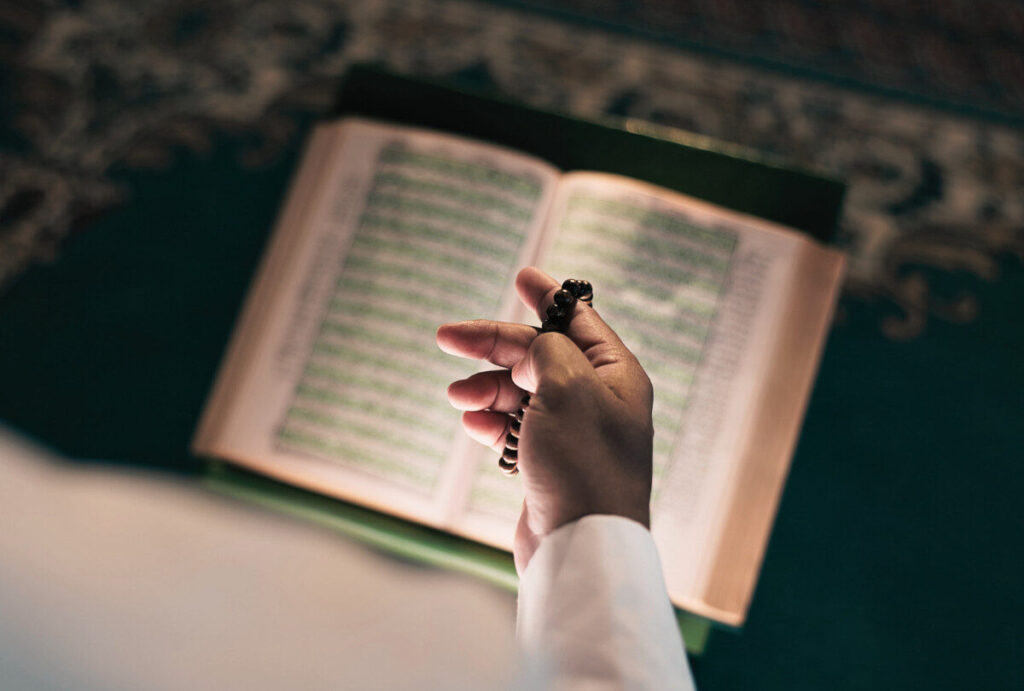
Shahr Ramadan is a month of conversation with Allah (swt).
Beyond fasting and routine worship, it is a sacred time to speak, ask, return, and reconnect.
Dua is one of the most intimate forms of worship.
It is where the servant turns directly to their Lord, with honesty, humility, and hope.
Allah (swt) invites us clearly:
“Your Lord has said, ‘Call Me (for help), and I will answer you’…”
Surah Ghafir, Verse 60
This promise defines Shahr Ramadan. A month where calling upon Him is not only encouraged, but welcomed.
Yet many believers struggle with dua.
They want closeness to Allah (swt), but feel unsure of what to ask for or how to move beyond repeated words.
Despite sincerity, the heart can feel distant. Shahr Ramadan offers a chance to change that.
Five Conversations That Can Change Your Shahr Ramadan
These five daily duas provide structure and meaning to each part of the day.
They help transform dua from habit into reflection, and from repetition into connection.
Anchoring your Shahr Ramadan with these supplications can reshape both worship and mindset.
As Allah (swt) reassures us:
“I answer the prayer of the supplicant when he calls Me.”
Surah Baqarah, Verse 186
1. Dua Sahar (Ya Mafzai): Beginning the Day with Reliance
Dua Sahar, also known as Ya Mafzai, is recited before dawn during Shahr Ramadan.
It calls upon Allah (swt) as the ultimate refuge, seeking faith, contentment, forgiveness, and protection for the day ahead.
This dua repeatedly acknowledges Allah’s (swt) mercy, His concealment of faults, and His power to grant safety.
A central theme is asking Allah (swt) to accept small deeds while forgiving many shortcomings.
It teaches humility and dependence on Him from the very start of the day.
The Prophet (saww) is reported have said:
“Supplication is the weapon of the believer, the pillar of religion, and the light of the heavens and the earth.”
Al-Kafi, v.2
Dua Sahar equips the believer with this strength before dawn.
2. Dua Baha: Recognising the Beauty and Perfection of Allah (swt)
Dua Baha, narrated from Imam Muhammad al-Baqir (as), is a profound suhoor supplication recited in Shahr Ramadan.
It praises Allah (swt) through His beauty, glory, light, and perfection, and is believed to contain the greatest name of Allah (swt).
This dua shifts focus away from worldly concerns and towards recognising divine splendour.
It purifies intention and deepens awareness of Allah’s (swt) presence.
Reciting it regularly nurtures gratitude, patience, and spiritual clarity throughout the day.
3. A Dua After Every Salaat: Honouring the Blessings of Shahr Ramadan
This recommended supplication, recited after obligatory prayers, praises Allah (swt) and highlights the excellence of Shahr Ramadan.
It reminds believers that this month carries unique mercy and special acceptance for those who ask sincerely.
By reciting this dua after each salaat, worshippers remain conscious of the sacredness of the time they are living in.
It helps prevent Shahr Ramadan from becoming routine and keeps the heart engaged throughout the day.
4. Another Dua After Every Salaat: Remembering Others in Need
One of the etiquettes of dua is to pray for others.
This supplication encourages believers to remember those facing hardship, oppression, and injustice across the world.
Imam Ali (as) is reported to have said:
“Supplication is the shield of the believer.”
Al-Kafi, v.2
When we pray for others, that shield expands beyond ourselves.
This dua nurtures compassion and responsibility towards the global community.
It also asks Allah (swt) to grant us the ability and willingness to help others in practical ways whenever possible.
5. Dua Iftitah: Nightly Reflection and Hope
Dua Iftitah was taught by the Imam al-Mahdi (ajtfs) to be recited every night in Shahr Ramadan.
It shapes a believer’s understanding of their relationship with Allah (swt) and divine leadership.
The first section reflects on human weakness and Allah’s (swt) vast mercy and love.
The second sends blessings upon the Holy Prophet (saww) and the Ahlulbayt (as), and reflects on the role of Imam al-Hujjah (ajtfs).
Reciting it nightly builds humility, hope, and longing for divine justice.
How Daily Dua Transforms the Heart
Consistency in dua reshapes faith over time.
These daily supplications bring clarity, calm, and awareness of Allah (swt) into everyday life.
They teach reliance, patience, and sincerity, qualities that last beyond Shahr Ramadan.
Our Shared Responsibility
At The Zahra Trust Movement, we believe faith must be paired with action.
Dua connects us to Allah (swt), while compassion connects us to one another.
Supporting vulnerable communities with religious foundations, education, and care is part of living the values we ask for in our prayers.
A Final Reflection
Shahr Ramadan invites daily return to Allah (swt). Let these five duas become steady companions throughout the month.
Allow them to guide your mornings, strengthen your prayers, and soften your nights.
As you grow through dua, extend its blessings outward.
Through faith, action, and compassion, let your Shahr Ramadan leave a lasting impact.
FAQ
Shahr Ramadan is a month where mercy is abundant and supplication is more readily accepted. Consistent dua strengthens spiritual awareness and connection with Allah (swt).
Understanding enhances reflection, but sincerity is most important. Reading translations alongside recitation is highly recommended.
Each dua aligns with a specific time, such as suhoor, after salaat, or at night, creating structure throughout the day.
Yes. Even brief, mindful recitation brings benefit, and consistency matters more than length.
Praying for others cultivates selflessness and strengthens unity within the global community.
Dua inspires responsibility. It encourages believers to become part of the solution through service and support.
More from blog

Bridging the Digital Divide Through Education
Discover how education and technology can help bridge the digital divide and create equal learning opportunities. Support children with the tools for…
Can Sadaqah Be More Than Money?
Sadaqah isn't only about giving money. Discover how your time, kindness, knowledge and actions can become acts of charity in Islam with…

The Future Starts with Education
Invest in education and help vulnerable children build skills, confidence and opportunity. Support The Zahra Trust’s Back to School appeal today.