
Why Zakat al-Fitr Is Important in Islam: Completing Shahr Ramadan Through Giving
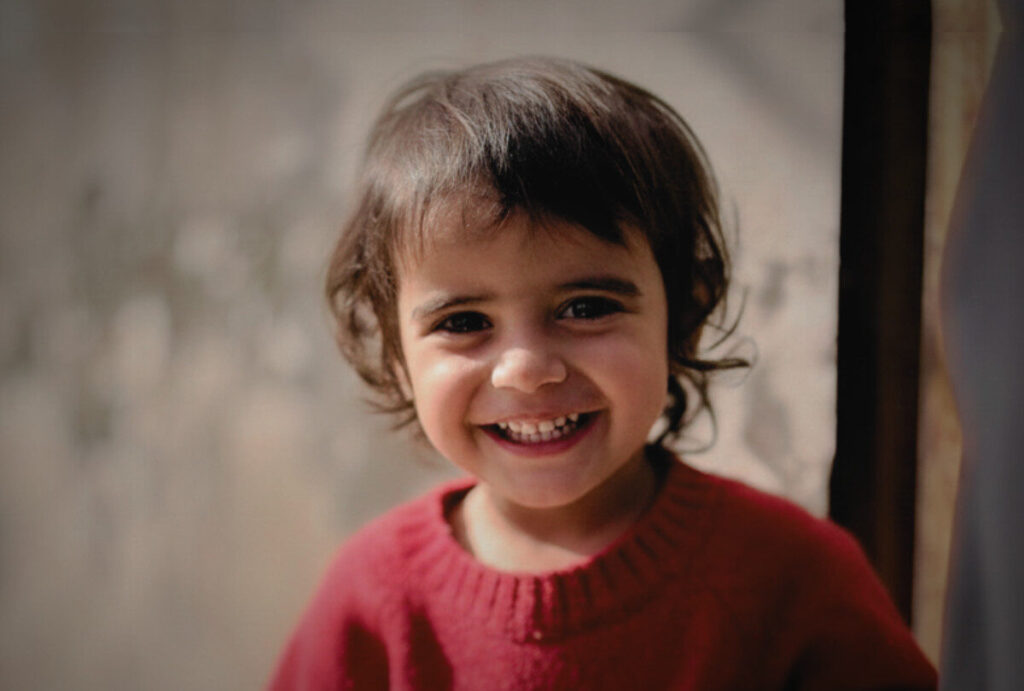
Eid morning is meant to be a moment of joy.
Homes fill with takbeer, families prepare to attend prayers, and children look forward to celebration.
It is a day that marks the completion of Shahr Ramadan and the mercy, discipline, and growth it brings.
Yet Islam asks us to pause and reflect. Who might be missing from this happiness?
Zakat al-Fitr exists to answer that question.
It is the means by which Islam ensures that the joy of Eid is not reserved for some, but shared with all.
By fulfilling this obligation, we help make Eid a day of dignity, nourishment, and peace for every household.
When Celebration Feels Out of Reach
For families facing poverty, displacement, or hardship, Eid can arrive with quiet anxiety rather than excitement.
The cost of food, the pressure to provide, and the weight of unmet needs can strip the day of its meaning.
Without support, some families spend Eid focused on survival rather than celebration.
Children may go without proper meals.
Parents may feel the pain of being unable to provide even the basics.
Islam does not accept this divide.
Zakat al-Fitr (also called Fitra or Fitrana) is the mechanism that closes it.
This obligation restores balance by ensuring that no one is left behind when the month of fasting comes to an end.
Completing Your Fast by Uplifting Others
Zakat al-Fitr is not optional charity. It is a vital act of worship that completes Shahr Ramadan.
It purifies the shortcomings of our fasting and aligns our worship with care for others.
The Quran reminds us of this connection between prayer, charity, and accountability:
Allah (swt) reminds us clearly in the Quran:
“And perform the prayers, pay the wealth tax (and be sure that) whatever good deeds you send forth for yourselves, you shall find that with Allah (swt) and be rewarded accordingly. Surely Allah (swt) sees what you do.”
Surah Baqarah, Verse 110
This verse places giving alongside prayer, affirming that acts of worship are not complete when they are disconnected from responsibility towards others.
The Emphasis on Zakat al-Fitr
The importance of Zakat al-Fitr is further emphasised in the teachings of the Ahlulbayt (as).
Imam al-Sadiq (as) is reported to have said:
“Giving the alms-tax at the end of the month of Ramadhan constitutes fasting just as sending blessings on the Prophet (saww) at the end of the prayer completes and constitutes the prayer. Verily, the one who fasts and yet intentionally does not pay the alms-tax due, his fasting is invalid.”
Al-Faqih, v.2
This hadith makes the purpose of Zakat al-Fitr clear.
It completes the fast, just as salawat completes prayer.
It is a final act that seals our worship and carries it forward with sincerity.
When and How to Pay Zakat al-Fitr
According to the ruling of Ayatollah Sayyid Sistani (ha), Zakat al-Fitr becomes obligatory once Maghrib sets in on the night of Eid al-Fitr, which is the first of Shawwal.
It must be paid before the Eid prayer. If a person is not performing the Eid prayer, before Dhuhr time on Eid day.
It is permissible to set Zakat al-Fitr aside or distribute it a few days in advance to ensure it reaches those in need on time.
If giving in advance, the intention must initially be that of a loan.
Once Eid night begins, the intention should then be changed to Zakat al-Fitr.
This ensures the obligation is fulfilled correctly while allowing timely distribution.
More Than a Meal: Food as Dignity and Stability
Zakat al-Fitr is commonly given in the form of staple food or its monetary equivalent.
At its heart, this obligation ensures that families can enjoy at least one proper meal on Eid.
But food is never just food.
A fed family can focus on celebration rather than survival.
Parents can care for their children with dignity.
Homes can welcome Eid with calm instead of fear.
Hunger forces people to live only for today. Nourishment gives space to plan for tomorrow.
Through Zakat al-Fitr, you are not simply meeting a need. You are restoring balance and peace to households at a critical moment.
Strengthening the Global Community Through Giving
When Zakat al-Fitr is fulfilled collectively, it strengthens the bonds of the global community.
It reinforces the idea that dignity is a shared responsibility and that worship is incomplete without compassion.
Each contribution, no matter how small, becomes part of something greater.
It creates a culture where care is embedded into celebration, and generosity marks the end of Shahr Ramadan.
This is how faith shapes societies. This is how worship extends beyond the individual.
Giving Zakat al-Fitr Through The Zahra Trust
The Zahra Trust works to ensure that Zakat al-Fitr reaches vulnerable families in a timely, dignified manner.
Through careful distribution, support is delivered before Eid so households can prepare, eat well, and celebrate.
By giving through trusted channels, you ensure that your worship has direct impact.
This approach reflects the values of The Zahra Trust, where aid is not just delivered, but delivered with respect, purpose, and care.
Feeding families at Eid is not only an act of kindness.
It is an investment in peace, stability, and human potential.
Ending Shahr Ramadan with Generosity
Shahr Ramadan teaches restraint, reflection, and compassion. Zakat al-Fitr brings these lessons to life.
It completes the fast by turning worship outward, ensuring that Eid is a day of nourishment, dignity, and shared joy.
By giving your Zakat al-Fitr, you close Shahr Ramadan with generosity and open Eid with mercy.
Fulfil this obligation, support families in need, and help spread peace through a simple yet powerful act of worship.
FAQ
Every Muslim who is financially able must pay Zakat al-Fitr for themselves and for any dependants they support.
The amount is based on the cost of a staple food, such as wheat or rice, sufficient for one person. The exact value may vary by year and location.
According to Ayatollah Sayyid Sistani (ha), it should be paid after Maghrib on Eid night and before the Eid prayer, or before Dhuhr if Eid prayer is not performed.
Yes, it can be given a few days early, but the intention must be that of a loan, which is then changed to Zakat al-Fitr once Eid night begins.
It must be given to eligible individuals in need, ensuring they can meet their basic food requirements for Eid.
Yes, monetary equivalents are commonly used today, especially when they allow organisations to provide food efficiently and on time.
More from blog

Bridging the Digital Divide Through Education
Discover how education and technology can help bridge the digital divide and create equal learning opportunities. Support children with the tools for…
Can Sadaqah Be More Than Money?
Sadaqah isn't only about giving money. Discover how your time, kindness, knowledge and actions can become acts of charity in Islam with…

The Future Starts with Education
Invest in education and help vulnerable children build skills, confidence and opportunity. Support The Zahra Trust’s Back to School appeal today.