


Muharram Aid Packages
Choose how you want to make a difference


Muharram Aid Packages
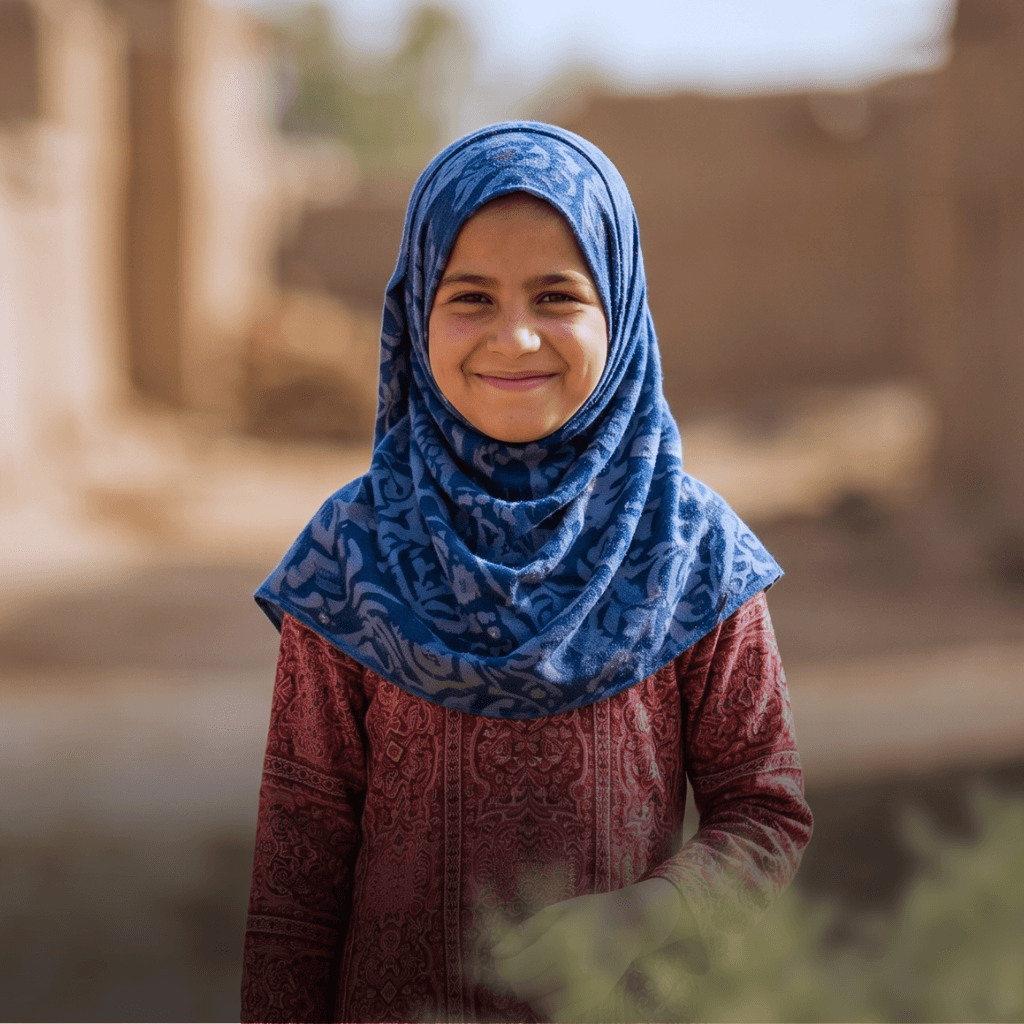 Where Most Needed
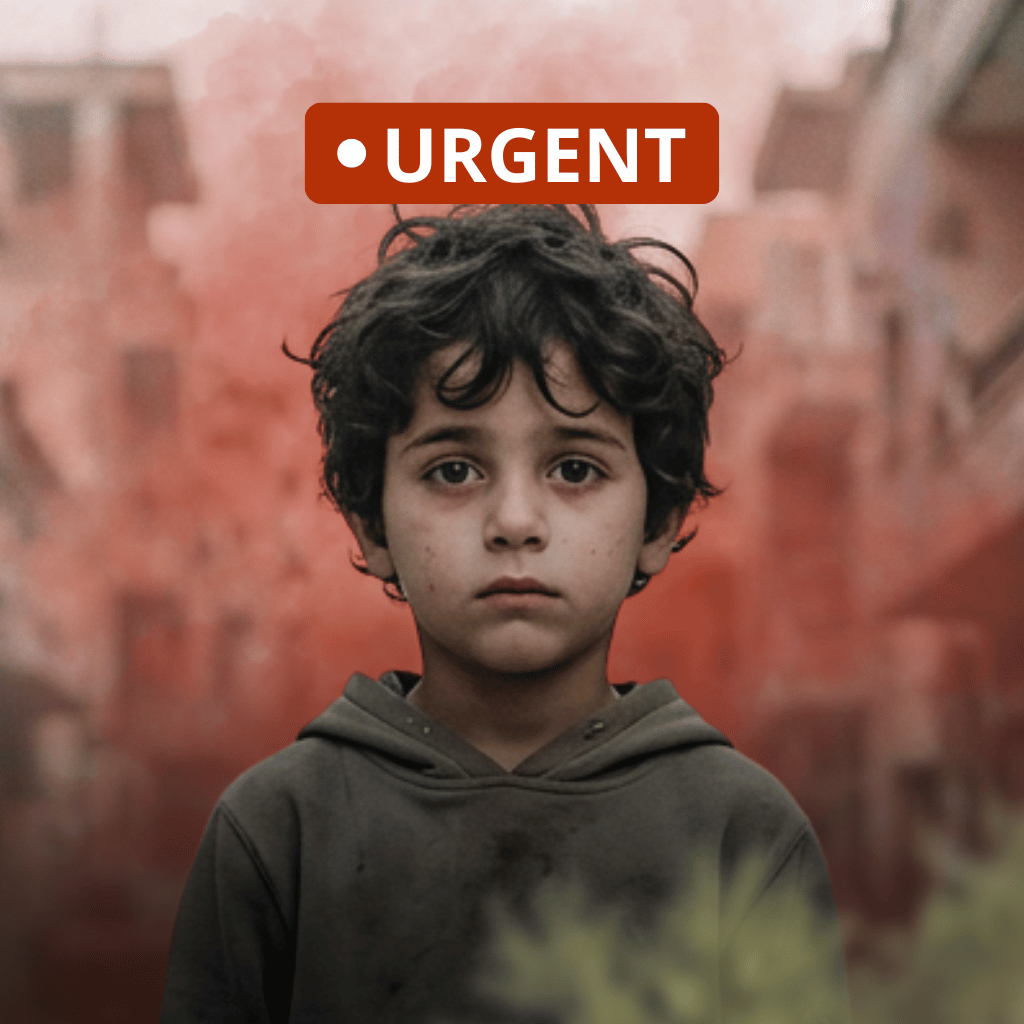 Lebanon Emergency Aid
 Drink Water Think Hussain
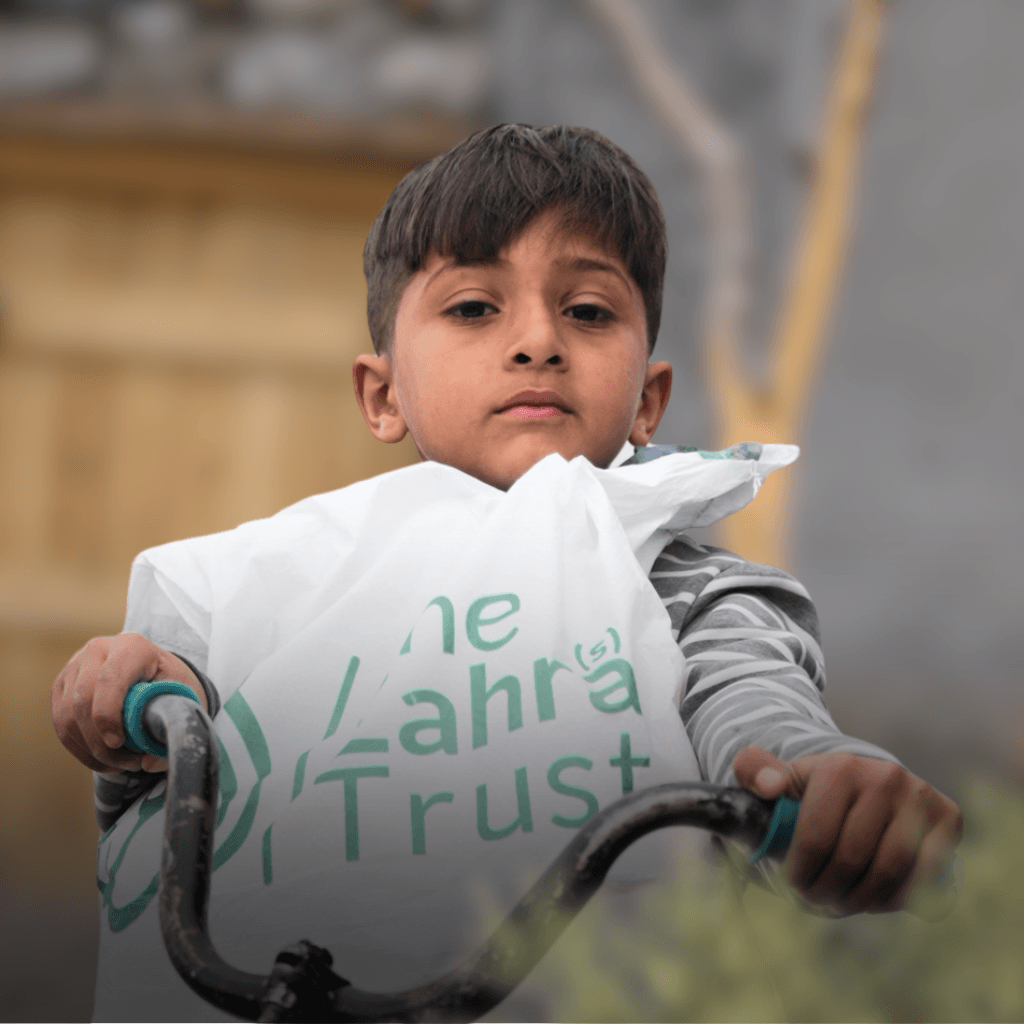 Khums
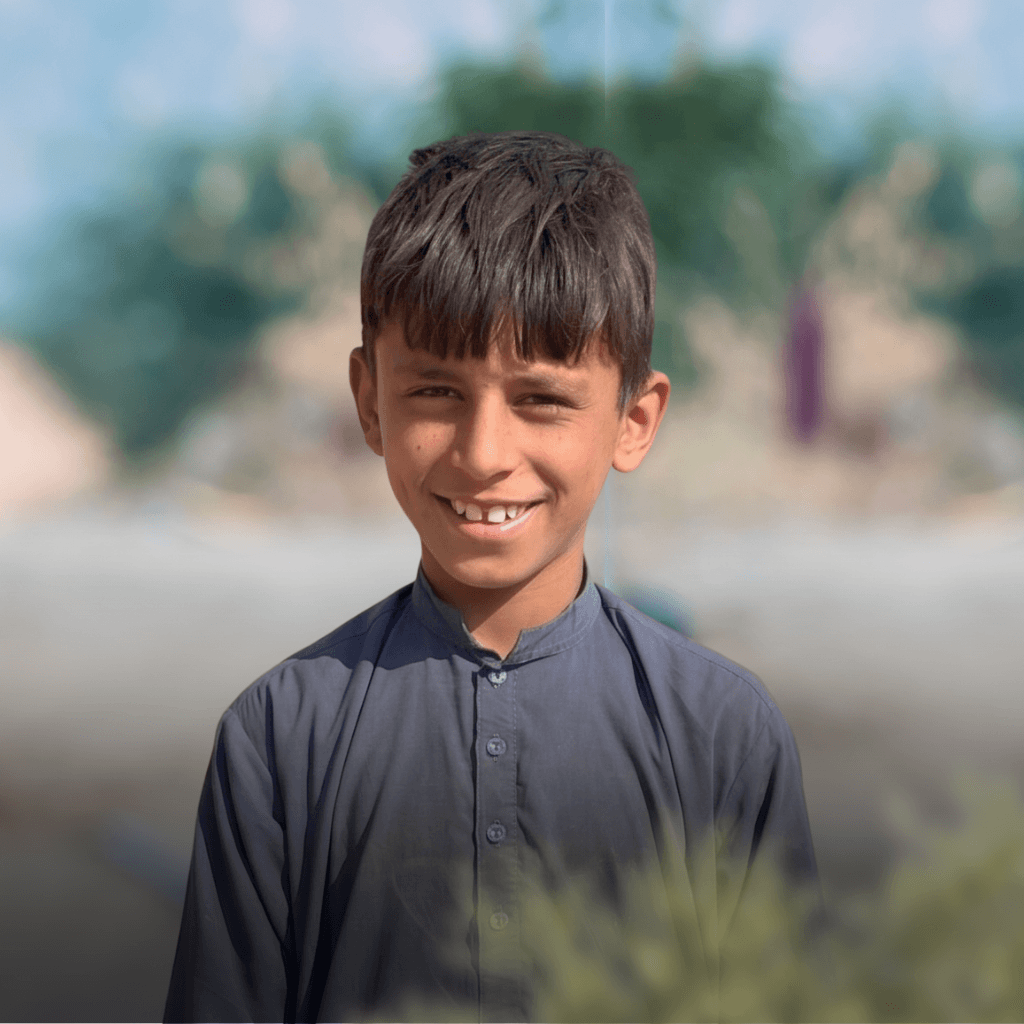 Sadaqah
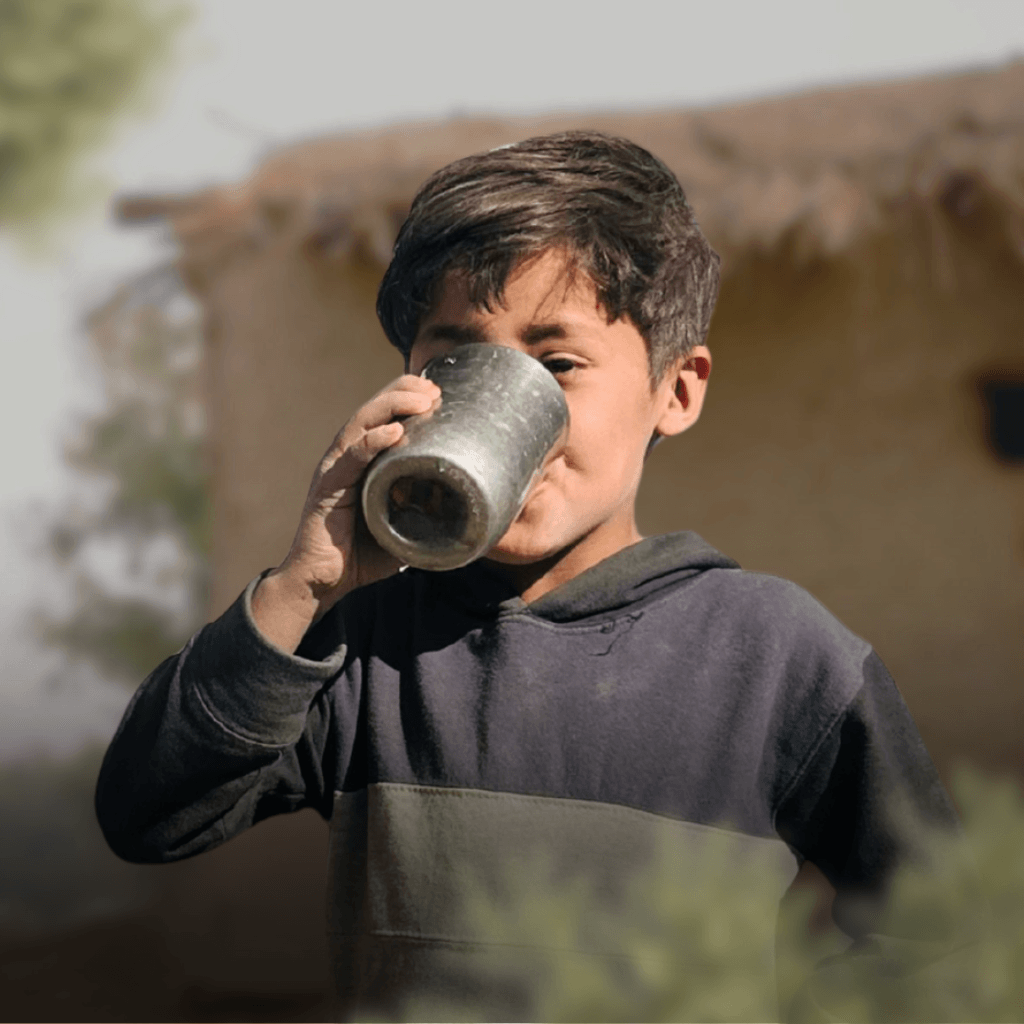 Water Aid
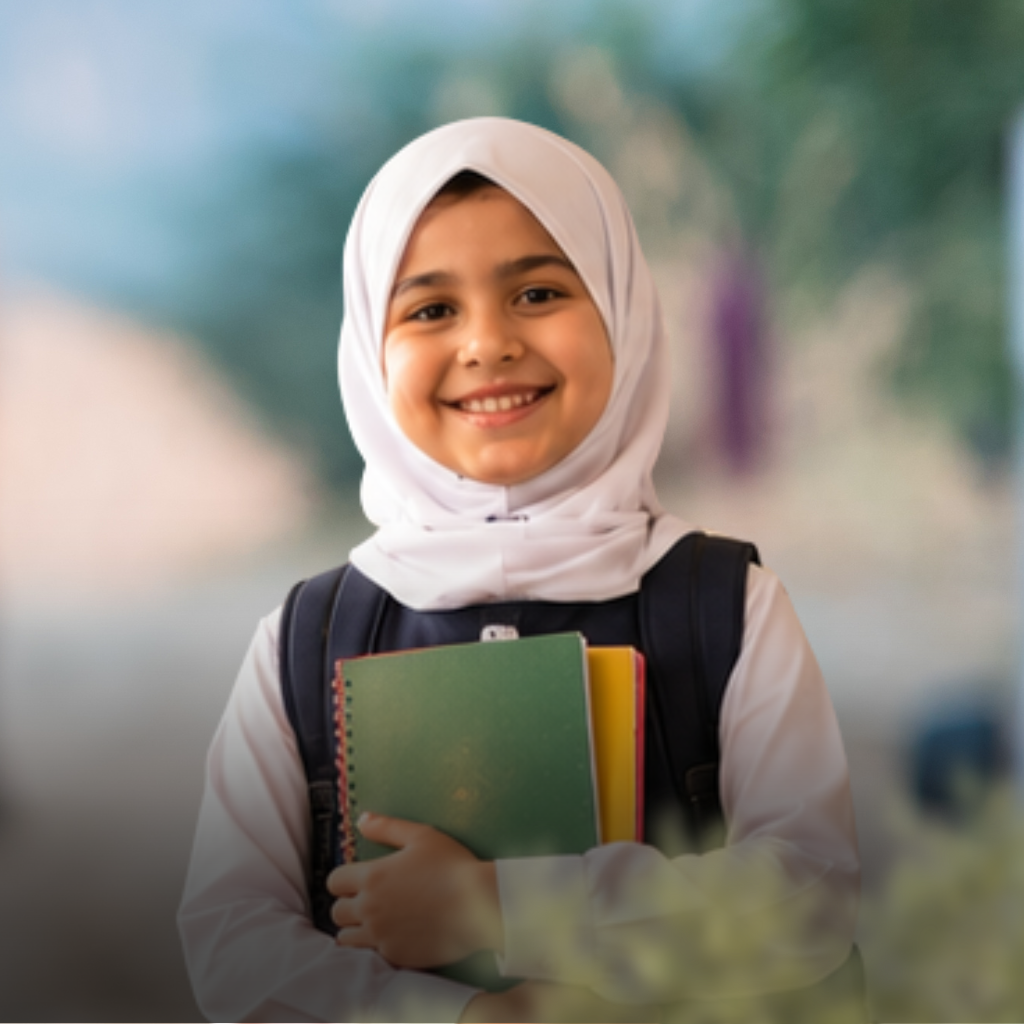 Orphan Aid
 Ya Asghar Food Aid
 Sayyida Zainab Development Fund
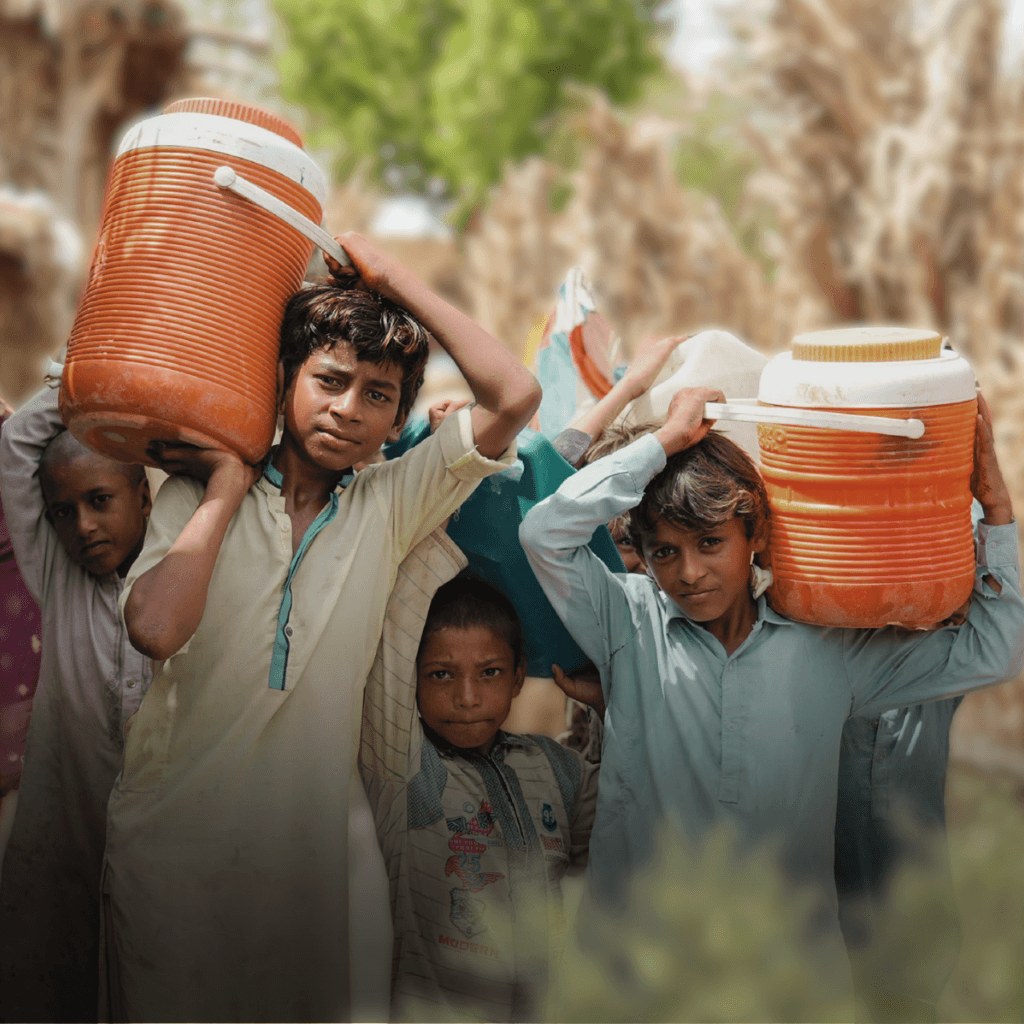 Sadaqah Jariyah
 Imam Mahdi Emergency Aid
 Karbala Legacy Fund
 Imam Hussain Relief Fund
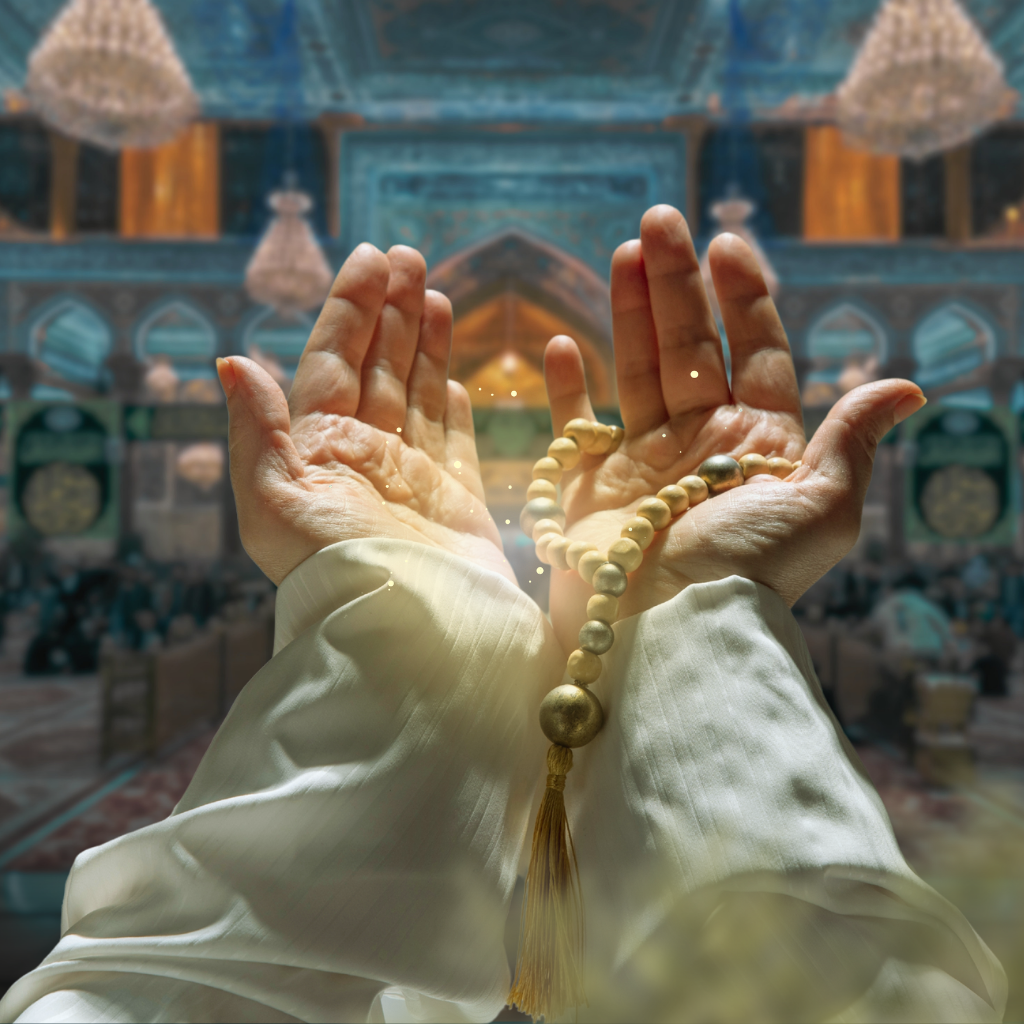 Spiritual Development
 Ziyarah Niyabah
 Zuwaar Support
 Islamic Calendar Giving
 Friday Giving
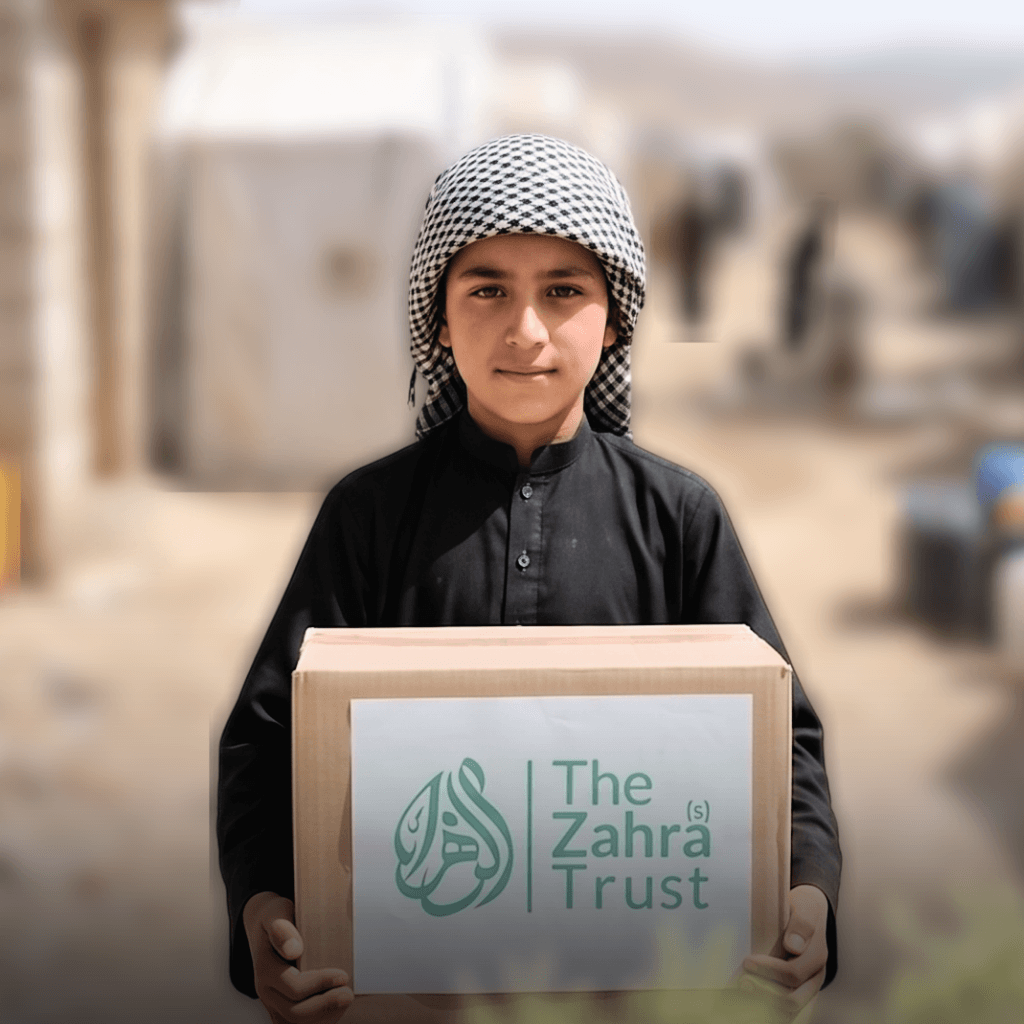
Remember Hussain (as). Restore Hope.
During Muharram and Safar, we remember the sacrifice of Imam Hussain (as) and the enduring values of Karbala: faith, compassion, and service to others.
Inspired by these values, support is directed towards humanitarian, development, and spiritual initiatives that help vulnerable communities access essential services, strengthen resilience, and create lasting change.
Our Geographic Focus
Across regions affected by conflict, disaster, and poverty, communities continue to face significant challenges. Through a range of programmes and initiatives, support is directed towards helping families recover, rebuild, and strengthen their communities.
FAQ
When is Ashura 2026?
Ashura, the 10th day of Muharram, is expected to fall on Friday, 26 June 2026. As the Islamic calendar follows the lunar cycle, the exact date depends on the sighting of the moon and may vary by location.
What is Muharram and why is it significant in Shia Islam?
Muharram is the first month of the Islamic lunar calendar and one of Islam’s sacred months. For Shia Muslims, it is a time of remembrance that commemorates the martyrdom of Imam Hussain (as), the grandson of the Holy Prophet Muhammad (saww), along with his family and companions at the Battle of Karbala. The events of Karbala continue to inspire reflection on faith, sacrifice, and moral courage.
What is Ashura and how do Shia Muslims observe it?
Ashura is the 10th day of Muharram and commemorates the martyrdom of Imam Hussain (as) at Karbala. Many Shia Muslims observe the day through gatherings of remembrance, prayer, reflection, recitation of poetry and elegies, charitable giving, and the recitation of Ziyarat Ashura. Majalis are also held to reflect on the lessons and values associated with Karbala.
Why do Shia Muslims mourn during Muharram and Ashura?
Shia Muslims mourn to honour the sacrifices of Imam Hussain (as), his family, and his companions. The remembrance of Karbala also recognises the perseverance of the surviving members of the Prophet’s (saww) family, including Sayyida Zainab (sa) and Imam Zain al-Abideen (as). For many believers, mourning is both an expression of devotion to the Ahlulbayt (as) and an opportunity for spiritual reflection and renewal.
What are common mourning practices during Muharram and Safar for Shia Muslims?
Common practices include attending majalis, listening to recitations about Karbala, wearing black as a sign of mourning, increasing acts of worship, and spending time in reflection. In some communities, commemorative processions and cultural presentations may also be held to preserve and share the history and lessons of Karbala.
Is fasting required during Muharram for Shia Muslims?
Fasting during Muharram is not obligatory for Shia Muslims unless it is being observed as part of a personal vow. Many believers choose to increase their worship during this sacred month, and some observe recommended fasts on specific days. Ashura is traditionally marked through remembrance, prayer, reflection, and commemorating the events of Karbala. Some may abstain from food and drink until the afternoon before breaking with a simple meal or drink as an expression of mourning rather than as a formal fast.