
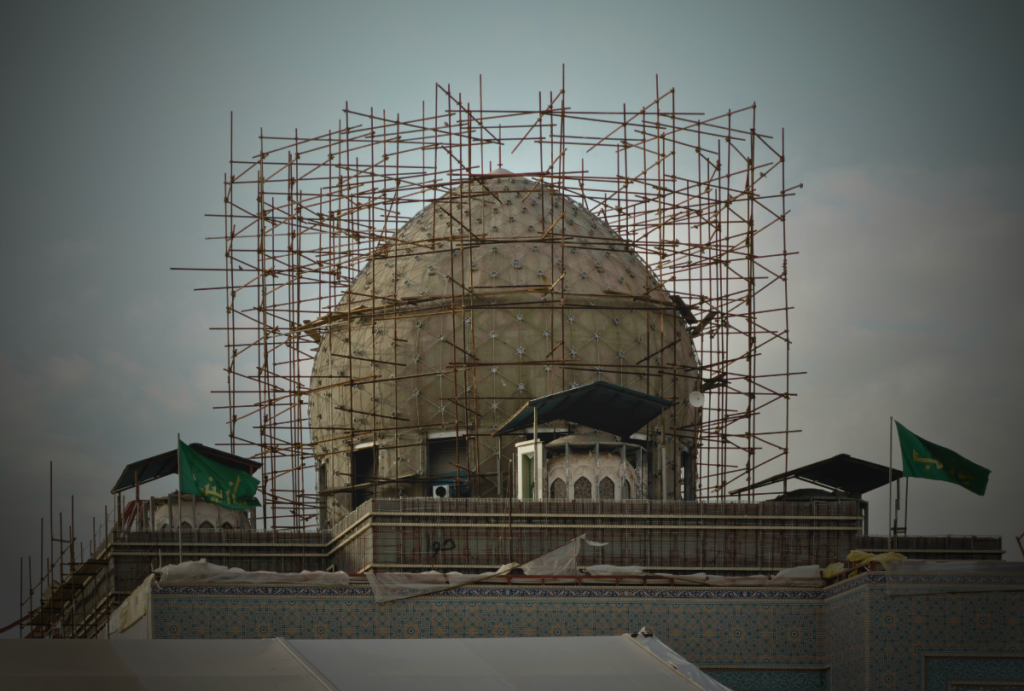
A mosque is never just a structure in a community. It is a place where lives intersect, where faith is strengthened, and where belonging is felt in its most genuine form. When a mosque is lost or damaged, the absence is felt far beyond its walls. It affects identity, routine, and emotional stability.
In moments of reflection, the Quran reminds believers of the sacred purpose of such spaces:
This verse highlights the spiritual sanctity of these spaces and sets the foundation for understanding why rebuilding them carries such deep meaning. It is not simply about restoring a building. It is about restoring a centre of worship, unity, and guidance.
When we speak about rebuilding a mosque, we are really speaking about restoring the spiritual heartbeat of a community.
Beyond walls: The mosque as a living community hub
A mosque plays a role that extends far beyond prayer. It is a place where children learn, families gather, elders find companionship, and those in need receive support. It is where important life moments are shared and where communities come together in times of joy and hardship.
The absence of such a space creates a gap that is both practical and emotional. Daily rhythms are disrupted. Social connections weaken. Even a sense of direction can feel lost.
This is why rebuilding becomes so powerful. It restores more than a place of worship. It restores a functioning social ecosystem where people reconnect through shared faith and shared purpose.
Rebuilding a mosque and the revival of community life
When rebuilding begins, something remarkable happens within the community itself. People come together in ways that go far beyond financial contributions. They share labour, memories, and hope. They rebuild trust as much as they rebuild physical spaces.
Sacred spaces have long been recognised as anchors of community life, often serving as centres for learning, charity, gathering, and mutual care. In this sense, rebuilding a mosque becomes a catalyst for wider social renewal.
The presence of a functioning mosque can:
- Strengthen community ties
- Encourage charitable giving
- Support education and learning
- Provide emotional and spiritual comfort
- Restore shared identity
The impact is gradual but deeply rooted. Over time, the community begins to feel whole again.
A teaching from Imam Ali (as): The value of visiting mosques
The importance of the mosque as a place of growth and guidance is beautifully reflected in the words of Imam Ali (as):
Thawab al-Amal wa Iqbal al-Amal, v.1, ch.61, h.108
This narration captures the mosque as a place of transformation. It is not passive. It actively shapes character, knowledge, and moral awareness.
When a mosque is rebuilt, these opportunities return to the community. People regain access to spiritual growth, guidance, and connection. In this way, rebuilding a mosque restores pathways to personal and collective betterment.
Restoring identity and emotional continuity
One of the most profound impacts of rebuilding a mosque is the restoration of identity. For many communities, the mosque is a symbol of who they are. It holds memory, tradition, and continuity across generations.
When that space is damaged or lost, it can feel like a break in history. Rebuilding helps repair that sense of continuity. It tells the community that their story continues and that their presence still matters.
This is especially important in post-conflict recovery contexts, where rebuilding sacred spaces often becomes one of the first steps towards emotional healing and long-term stability.
Loyalty through the example of the Ahlulbayt (as)
The Ahlulbayt (as) consistently emphasised the importance of preserving spaces of worship and strengthening community life through faith-based support systems. The tradition of maintaining mosques reflects a broader principle of protecting spaces that nurture spirituality, learning, and unity.
In this light, rebuilding a mosque is not only an act of restoration but also an expression of continuity with these values. It reflects a commitment to ensuring that future generations have access to spaces where faith can be lived, taught, and shared.
This connection between sacred space and community wellbeing remains central to Islamic thought and practice, reinforcing the idea that mosques are living centres of guidance rather than static buildings.
The ripple effect on society
The impact of rebuilding extends well beyond the immediate community. Local businesses regain activity. Educational programmes resume. Social services often restart within mosque spaces. Even neighbouring areas begin to feel the positive effects of renewed activity and cohesion.
Over time, the mosque becomes a stabilising force again. It supports not only spiritual needs but also social resilience. This ripple effect shows how one restored space can influence an entire neighbourhood.
Restoring more than walls: A final reflection
Rebuilding a mosque is never only about physical restoration. It is about restoring dignity, faith, and belonging. It is about ensuring that communities have a place where they can come together, learn, and grow in unity.
A mosque is more than a place of prayer. It is where communities gather, children learn, and support begins. When these sacred spaces are restored, communities regain places of connection, worship, and hope.
Help rebuild sacred spaces that restore communities. Restore more than walls. Restore the spiritual heart of a community and create spaces where faith lives on for generations to come.
Frequently asked questions
What does rebuilding a mosque mean for a community?
It means restoring a central space of worship, learning, and connection. It helps rebuild social bonds and strengthens community identity.
Why are mosques so important in Islam?
Mosques are places of worship and guidance where individuals gather for prayer, learning, and support, making them essential to spiritual and social life.
How does rebuilding a mosque affect local communities?
It revives social activity, encourages unity, supports education, and helps restore emotional and cultural continuity.
What is the spiritual significance of rebuilding a mosque?
It reflects respect for sacred space and supports the return of worship, reflection, and moral development within the community.
Can rebuilding a mosque help after conflict or disaster?
Yes, it often plays a key role in emotional recovery and social rebuilding, helping communities regain stability and hope.
How do mosques support everyday community life?
They provide spaces for learning, charity, gatherings, counselling, and collective worship, making them vital community centres.
More from blog
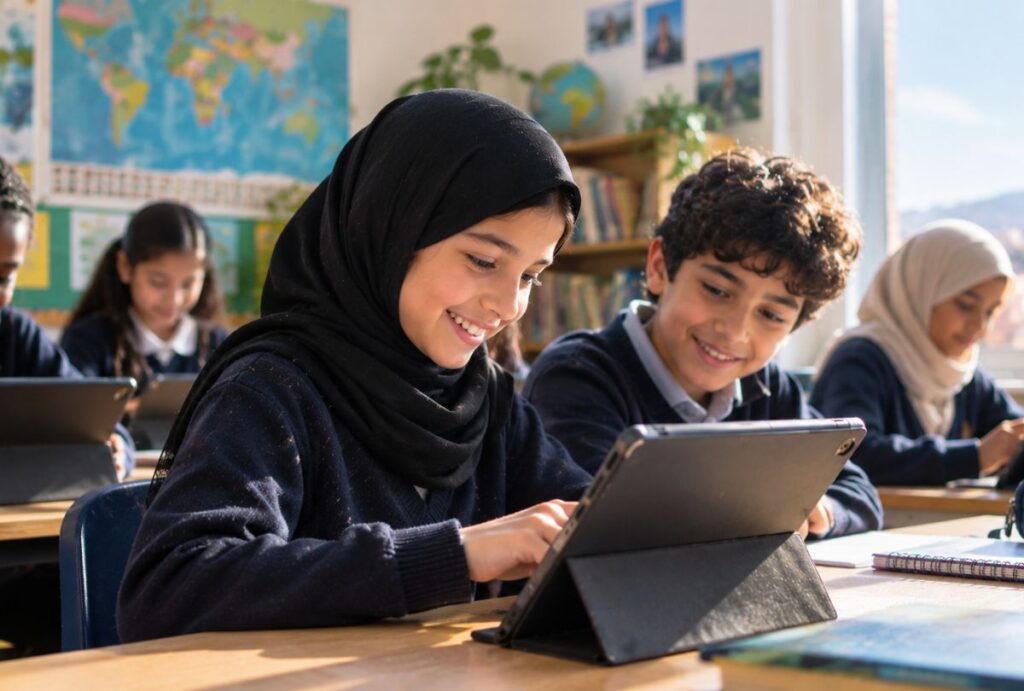
Bridging the Digital Divide Through Education
Discover how education and technology can help bridge the digital divide and create equal learning opportunities. Support children with the tools for…
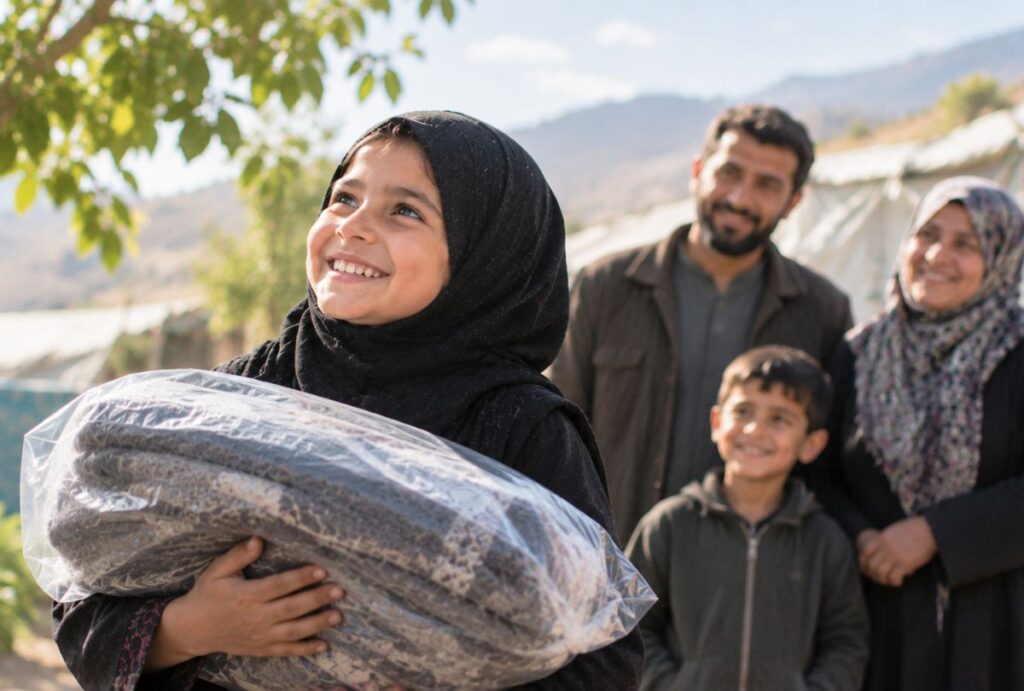
Can Sadaqah Be More Than Money?
Sadaqah isn't only about giving money. Discover how your time, kindness, knowledge and actions can become acts of charity in Islam with…
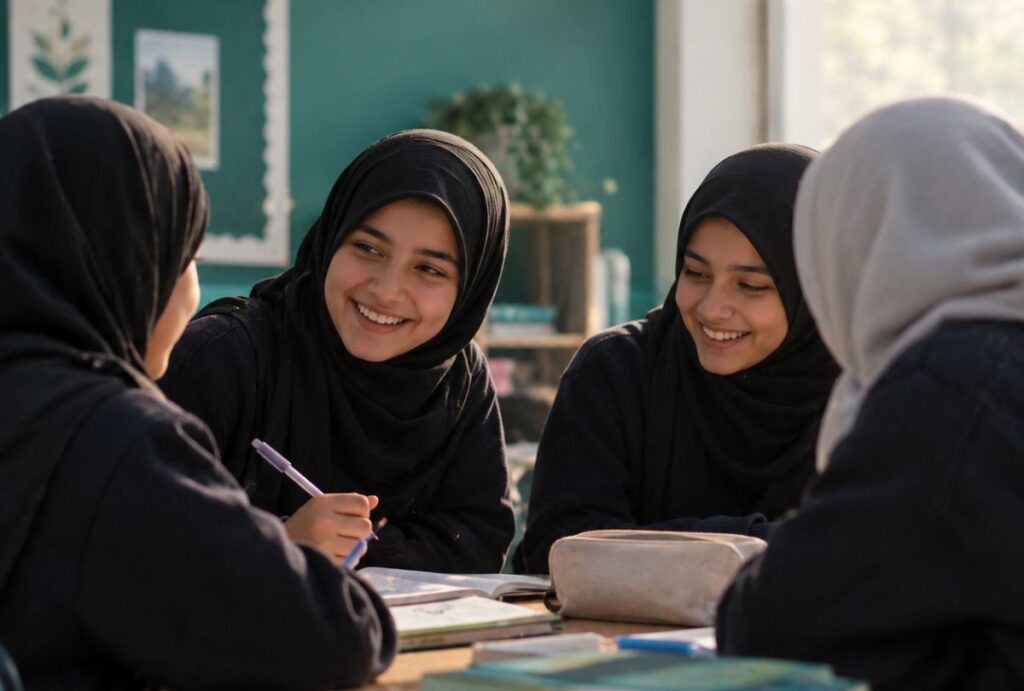
The Future Starts with Education
Invest in education and help vulnerable children build skills, confidence and opportunity. Support The Zahra Trust’s Back to School appeal today.