
The patience and resistance of the Imams (as): Different paths, one struggle
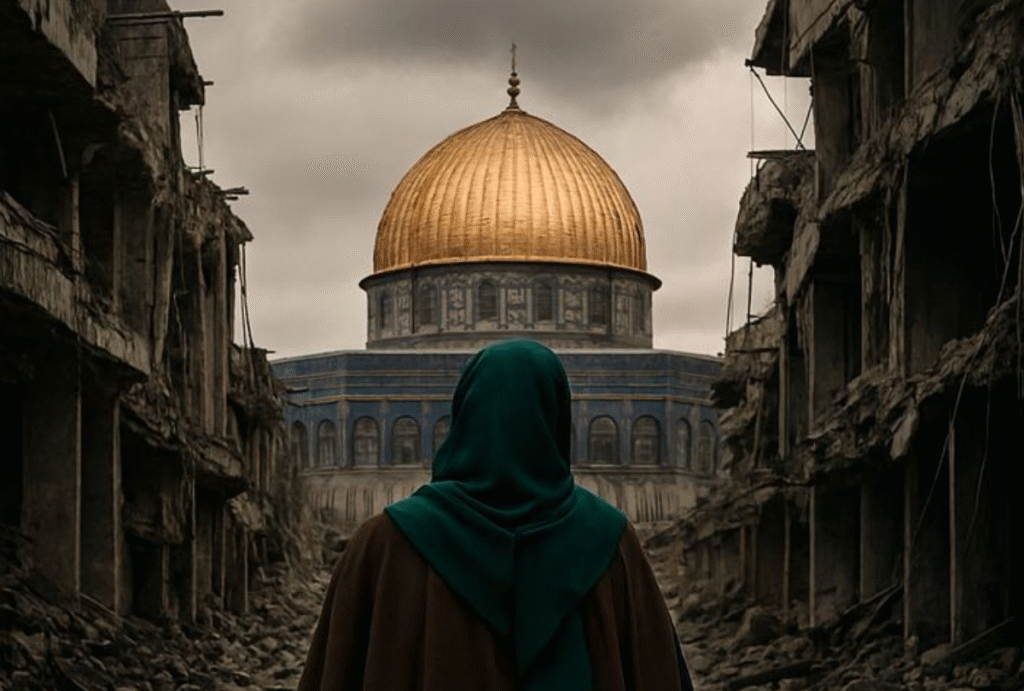
Patience in Islam is not passive endurance.
It is steadfastness in the face of hardship, remaining firm upon truth when tested.
The Quran reminds us:
“Surely, Allah (swt) is with the patient ones.”
Surah Al-Baqarah, Ayah 153
The lives of the Imams (as) show that patience and resistance are deeply connected.
The Imams (as) did not practise one kind of resistance.
Each Imam embodied the form of resistance demanded by his circumstances.
Sometimes resistance was through sacrifice, sometimes through silence, scholarship, supplication, treaties, imprisonment, or occultation.
In every case, patience was the strength that made resistance possible.
From Imam Ali (as) to Imam Mahdi (ajtfs), their lives offer enduring lessons in spiritual resistance, moral courage, and faith under oppression.
Imam Ali (as): Patience to preserve Islam
Imam Ali (as) showed that patience can itself be a form of resistance.
After the Prophet (saww) passed away and his right was usurped, he chose restraint to preserve Islam in a fragile moment.
In the sermon of ash-Shaqshaqiya, he is reported to have said:
“Then I began to think whether I should assault or endure calmly the blinding darkness of tribulations wherein the grown up are made feeble and the young grow old and the true believer acts under strain till he meets Allah (on his death). I found that endurance thereon was wiser. So I adopted patience although there was pricking in the eye and suffocation (of mortification) in the throat.”
Nahjul Balagha, sermon 3
This was not surrender.
It was principled patience for a greater good.
His example teaches that resistance does not always appear as confrontation.
At times, preserving truth requires endurance.
Imam Hassan (as): Resistance through strategic patience
Imam Hassan (as) demonstrated that restraint can be a powerful form of resistance.
His peace treaty was not weakness, but a strategic decision to protect the global community of believers and expose the tyranny of Muawiya in its true form.
When conditions made open conflict destructive, Imam Hassan (as) resisted through wisdom and patience.
His stance preserved lives, safeguarded the message of Islam, and prepared the ground for the stand of Karbala.
His life reminds us that not every struggle is fought openly. Sometimes patience itself protects the religion.
Imam Hussain (as): Resistance through sacrifice
With Imam Hussain (as), resistance took the form of open refusal against oppression.
He is reported to have said:
“A man like me cannot give allegiance to him (i.e. Yazid).”
Lohoof
These words were a clear rejection of tyranny.
Karbala was not only a battle, but a lasting lesson that truth must not submit to falsehood.
Imam Hussain (as) showed that patience is not separate from sacrifice.
His endurance in suffering, and his refusal to compromise, made resistance an eternal moral principle.
His stand continues to teach that faith sometimes demands sacrifice in defence of justice.
The fourth Imam to the eleventh Imam: Resistance through preservation
After Karbala, many of the Imams (as) resisted in quieter but no less powerful ways.
Imam Sajjad (as) rebuilt faith through supplication, worship, and powerful sermons. His patience became spiritual resistance.
Imam al-Baqir (as) and Imam al-Sadiq (as) preserved authentic Islamic teachings through knowledge. In times of distortion, scholarship itself became resistance.
The later Imams, often living under surveillance or imprisonment, continued guiding believers despite severe repression.
Through teaching, steadfastness, and preserving the faith, they resisted attempts to extinguish truth.
When open revolt was not possible, preservation itself became resistance.
Imam Mahdi (ajtfs): Patience fulfilled
The legacy of patience and resistance reaches its culmination in Imam Mahdi (ajtfs).
The Prophet (saww) is reported to have said:
“Awaiting the relief (i.e. Imam Mahdi) with patience is (a form of) worship.”
Bihar al-Anwar, v.52, p.145
This teaches that waiting during the occultation is not passive.
It is active faith.
Intidhar means living with steadfastness, resisting sin, rejecting despair, and striving for justice while awaiting his reappearance.
In this way, patience itself becomes a form of worship and resistance.
Imam Mahdi (ajtfs) also represents the fulfilment of all the Imams’ struggle, when oppression will ultimately be overcome through divinely established justice.
Final reflections
The lives of the Imams (as) show that patience was never passive submission, nor was resistance limited to open confrontation.
Each Imam responded to oppression in the way most suited to his time, whether through restraint, sacrifice, scholarship, preservation, or awaiting divine justice.
Though their paths differed, their mission remained one: to uphold truth, resist falsehood, and preserve faith through every trial.
Their example continues to teach that patience and resistance are not separate virtues, but inseparable parts of steadfast belief.
Frequently Asked Questions
Patience, or sabr, is shown by the Imams (as) as steadfastness upon truth during hardship. It is closely tied to faith, wisdom, and principled resistance.
His restraint after injustice was not passive acceptance. It preserved Islam while demonstrating moral strength and long-term vision.
His treaty was a strategic act that protected believers and exposed false leadership, showing that resistance can take many forms.
His refusal to legitimise tyranny turned sacrifice into a lasting model of resistance against oppression.
They resisted through teaching, spiritual leadership, preserving authentic Islam, and remaining steadfast under persecution.
It means living with faith, reforming oneself, striving for justice, and remaining patient and steadfast during the occultation.
More from blog

Bridging the Digital Divide Through Education
Discover how education and technology can help bridge the digital divide and create equal learning opportunities. Support children with the tools for…
Can Sadaqah Be More Than Money?
Sadaqah isn't only about giving money. Discover how your time, kindness, knowledge and actions can become acts of charity in Islam with…

The Future Starts with Education
Invest in education and help vulnerable children build skills, confidence and opportunity. Support The Zahra Trust’s Back to School appeal today.