
The ethics of resistance in Shia tradition: 5 powerful lessons on justice, prudence and hope
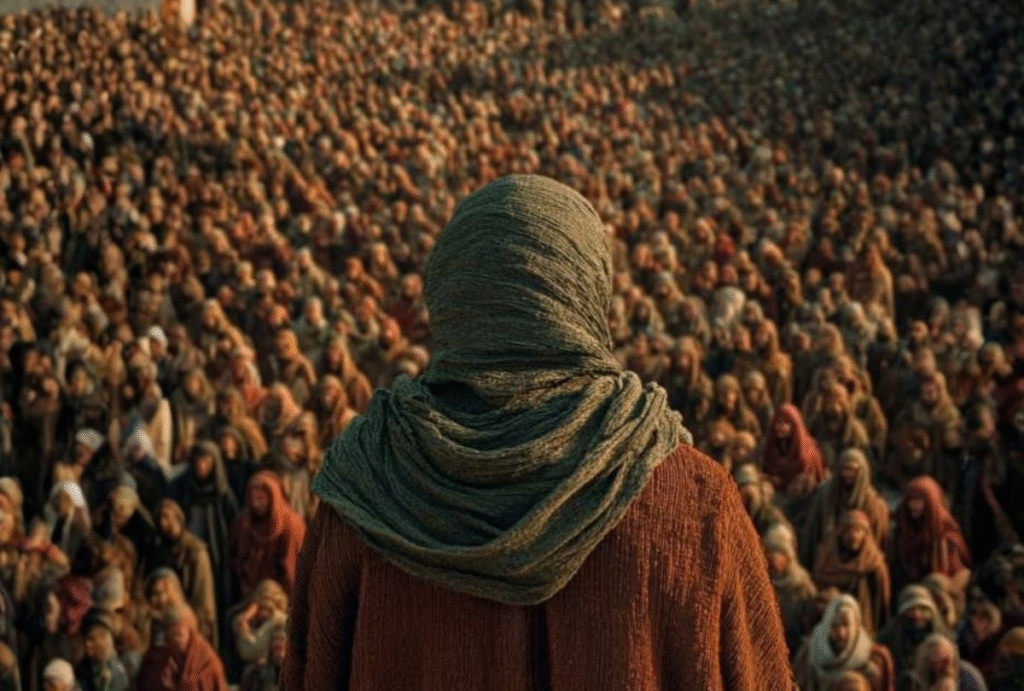
In Shia tradition, resistance is not understood as blind rebellion, but as a moral commitment rooted in justice, restraint and faith.
Its deepest symbol is Karbala, where truth was upheld against tyranny despite immense sacrifice.
The Quran frames steadfastness as part of ethical struggle:
“O you who believe! If you help (the religion of) Allah (swt), He will surely help you and make your feet firm.”
Surah Muhammad, Ayah 7
Through Quranic principles, the example of Imam Hussain (as), and hope in Imam Mahdi (ajtfs), resistance emerges as a disciplined ethic shaped by conscience rather than vengeance.
Lesson one: Resistance as a moral duty
Within Shia thought, resistance begins as a response to oppression and injustice.
It is not simply opposition to power, but refusal to legitimise tyranny when human dignity and truth are threatened.
This moral dimension is often linked to faith itself, since justice is not seen as separate from devotion.
Resistance, therefore, begins with conscience.
It may involve speaking against wrongdoing, refusing complicity, or standing firm in difficult circumstances.
The example of Imam Hussain (as) remains central because his stand is often understood as showing that ethical principles cannot be surrendered for political convenience.
Seen in this way, resistance is less about revolt and more about moral responsibility.
It asks believers not only whether they should oppose injustice, but how to do so while remaining guided by principle.
Lesson two: Karbala and the ethics of sacrifice
The tragedy of the Battle of Karbala stands at the heart of Shia resistance ethics.
It is often read as the ultimate example of principled refusal in the face of illegitimate rule.
Imam Hussain (as) is reported to have said:
“A man like me cannot give allegiance to him (i.e. Yazid).”
Lohoof
This statement captures a moral boundary.
Some forms of power cannot be endorsed without compromising truth.
That is why Karbala is remembered not as a pursuit of victory, but as witness against injustice.
Martyrdom in this framework is not a celebration of death, but testimony.
Sacrifice exposes oppression and preserves moral truth for future generations.
This helps explain why Karbala continues to inspire resistance ethics today.
It presents justice as something worth upholding even when worldly success appears impossible.
Lesson three: Resistance has limits – prudence and taqiyya
A key part of Shia resistance ethics is that struggle is governed by limits.
Resistance is not treated as unrestricted confrontation.
The Quran states:
“(O Muslims!) Fight in the way of Allah (swt) (against those polytheists of Mecca) who are presently engaged in fighting against you, and (be careful) not to exceed the limits (by killing the children, women and non-combatants). Verily Allah (swt) does not love those who exceed the limits.”
Surah Al-Baqarah, Ayah 190
This verse shows that even in conflict, moral boundaries remain.
Shia thought also stresses prudence, including weighing harm and protecting innocent life.
In some contexts, this includes taqiyya, often understood as cautious self-protection under persecution.
This gives resistance an ethical discipline.
It must serve justice while avoiding recklessness, corruption or needless harm.
The question is not only whether one resists, but whether resistance itself remains morally responsible.
Lesson four: Imam Mahdi (ajtfs) and resistance as hope
Belief in Imam Mahdi (ajtfs) adds another layer to the ethics of resistance by linking struggle with hope.
In Shia thought, awaiting the Imam (ajtfs) is not merely passive expectation, but can be understood as ethical readiness for justice.
Prophet Muhammad is reported to have said:
“Awaiting the relief (i.e. Imam Mahdi) with patience is (a form of) worship.”
Bihar al-Anwar, v.52, p.145
This presents waiting itself as active moral devotion.
Hope for final justice encourages patience, perseverance and principled conduct in the present.
Rather than withdrawing from the world, this outlook can inspire responsibility towards injustice now.
Resistance is sustained not only by memory of Karbala, but by confidence that justice remains a living promise.
Lesson five: Beyond revolt – multiple forms of resistance
Shia tradition does not reduce resistance to armed uprising.
It can take many forms, including moral witness, non-cooperation, intellectual struggle and steadfast refusal to legitimise wrongdoing.
Sometimes resistance is public confrontation.
At other times it may be preserving truth quietly under pressure.
Strategic restraint can itself become a form of ethical resistance when open confrontation would lead to greater harm.
This broader view is important because it moves beyond narrow rebellion narratives.
Resistance can be spiritual, social and intellectual as much as political.
What unites these forms is a shared purpose: defending justice, protecting dignity and resisting corruption.
Whether through protest, patience or principled silence, the ethical thread remains the same.
Final reflections
The ethics of resistance in Shia tradition are rooted not in perpetual confrontation, but in disciplined moral commitment.
Through the example of Karbala, the limits set by Quranic ethics, and hope connected to Imam Mahdi (ajtfs), resistance is framed as principled refusal guided by justice and prudence.
At its heart, this tradition teaches that resisting oppression is not simply an act of defiance.
It is a moral responsibility shaped by conscience, restraint and enduring hope.
Frequently Asked Questions
Resistance in Shia tradition generally means standing against injustice in ways guided by justice, faith and ethical responsibility. It is broader than political rebellion and can include moral witness, refusal and perseverance.
The Battle of Karbala represents the clearest model of refusing to legitimise tyranny. It shows resistance as a matter of principle, even at great personal cost.
Yes. Shia ethics emphasises proportionality, protection of innocent life and avoiding excess. Resistance is meant to remain morally disciplined.
Taqiyya can be understood as prudent self-protection under persecution. In some circumstances, preserving life and faith is itself part of ethical resistance.
Belief in Imam Mahdi (ajtfs) connects resistance with hope. It encourages moral steadfastness and preparation for justice, rather than passivity.
No. It can include intellectual struggle, ethical refusal, social action and spiritual perseverance, not only confrontation or revolt.
More from blog

Bridging the Digital Divide Through Education
Discover how education and technology can help bridge the digital divide and create equal learning opportunities. Support children with the tools for…
Can Sadaqah Be More Than Money?
Sadaqah isn't only about giving money. Discover how your time, kindness, knowledge and actions can become acts of charity in Islam with…

The Future Starts with Education
Invest in education and help vulnerable children build skills, confidence and opportunity. Support The Zahra Trust’s Back to School appeal today.