
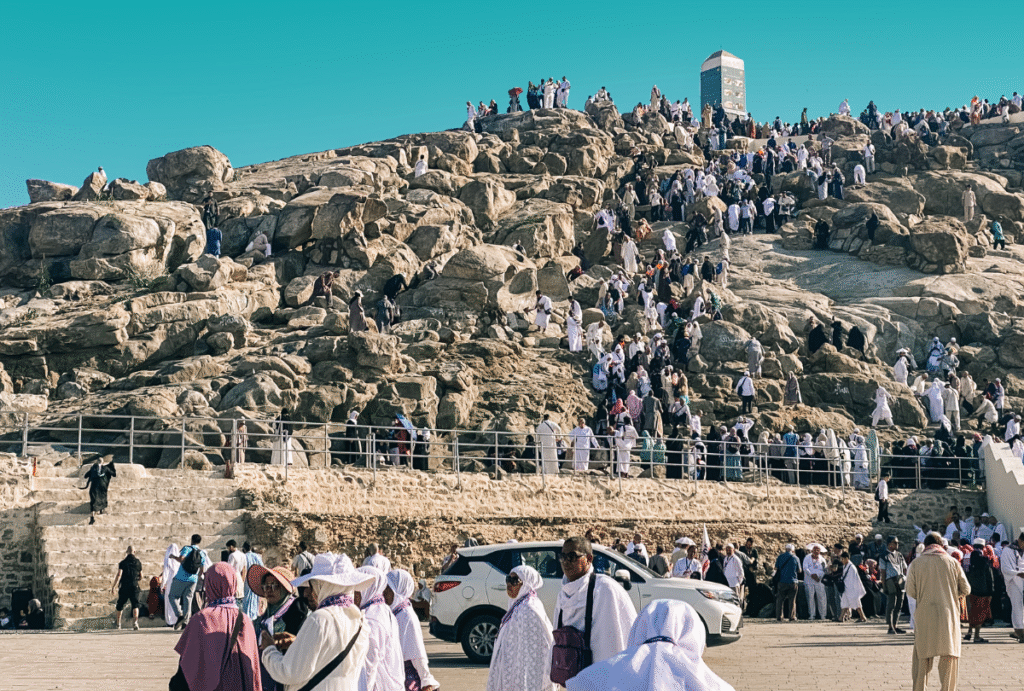
Some days pass quietly. Others leave a mark on the soul forever.
The Day of Arafah is one of those days. It is not simply another date on the Islamic calendar. It is a sacred opportunity to pause, reflect, and return to Allah (swt) with sincerity and hope.
For Muslims, this day carries deep emotional and spiritual meaning. It is closely connected to the beautiful Dua Arafah by Imam Hussain (as) – a moving supplication filled with humility, gratitude, and trust in Allah’s swt) mercy.
The Holy Qur’an reminds us:
“Call upon Me; I will respond to you.”
Surah Ghafir, Ayah 60
Observed on the 9th of Dhul Hijjah, the Day of Arafah is the holiest day of Hajj. While pilgrims gather on the plains of Arafat in worship, Muslims around the world spend the day fasting, making dua, reading Qur’an, and seeking forgiveness.
What makes this day so special is the mercy attached to it. Arafah reminds us that no matter how distant we may feel from Allah (swt), His door is always open. It is a day to let go of pride, ask sincerely, and reconnect spiritually.
You do not need grand acts of worship to benefit from Arafah. A quiet moment of reflection, a heartfelt dua, helping someone in need, or simply turning back to Allah (swt) sincerely can all become deeply meaningful acts.
At The Zahra Trust, we believe the Day of Arafah is not only about rituals, but about renewing faith, strengthening compassion, and remembering what truly matters.
May this blessed day bring forgiveness, peace, and closeness to Allah (swt) for every believer.
FAQ
The Day of Arafah is the 9th day of Dhul Hijjah and one of the holiest days in Islam.
It is closely connected to Dua Arafah by Imam Hussain (as), a deeply spiritual supplication focused on mercy, gratitude, and reflection.
Yes, fasting is highly recommended for those not performing Hajj.
Spend the day making dua, praying, reading Qur’an, giving charity, and reflecting sincerely.
Dua Arafah is a famous supplication by Imam Hussain (as), traditionally recited on the Day of Arafah.
It takes place annually on the 9th of Dhul Hijjah, before Eid al-Adha.
More from blog
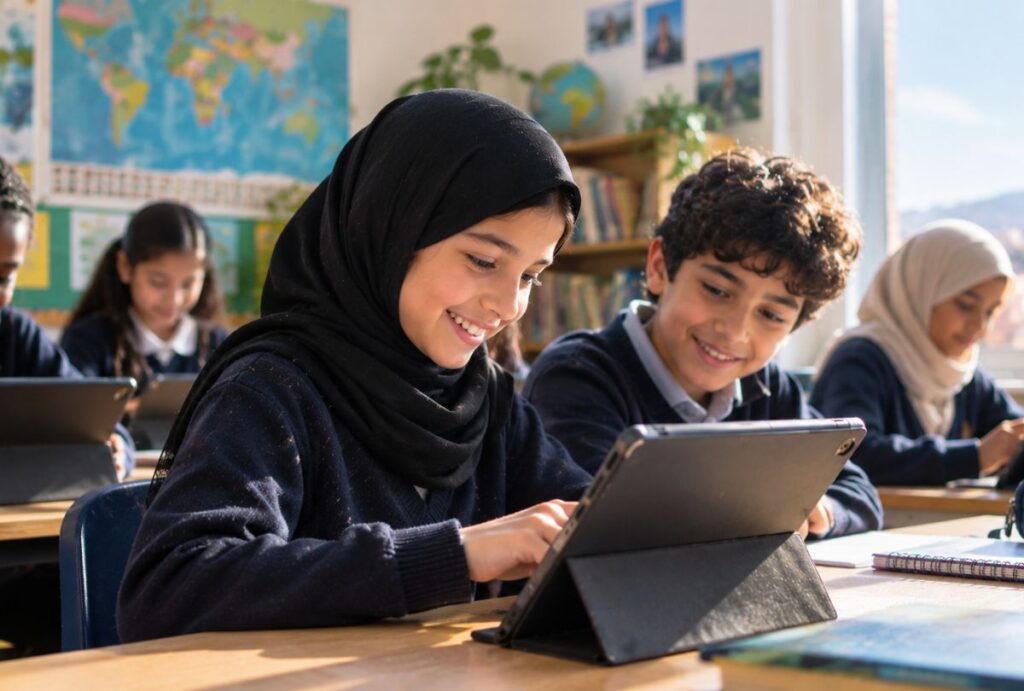
Bridging the Digital Divide Through Education
Discover how education and technology can help bridge the digital divide and create equal learning opportunities. Support children with the tools for…
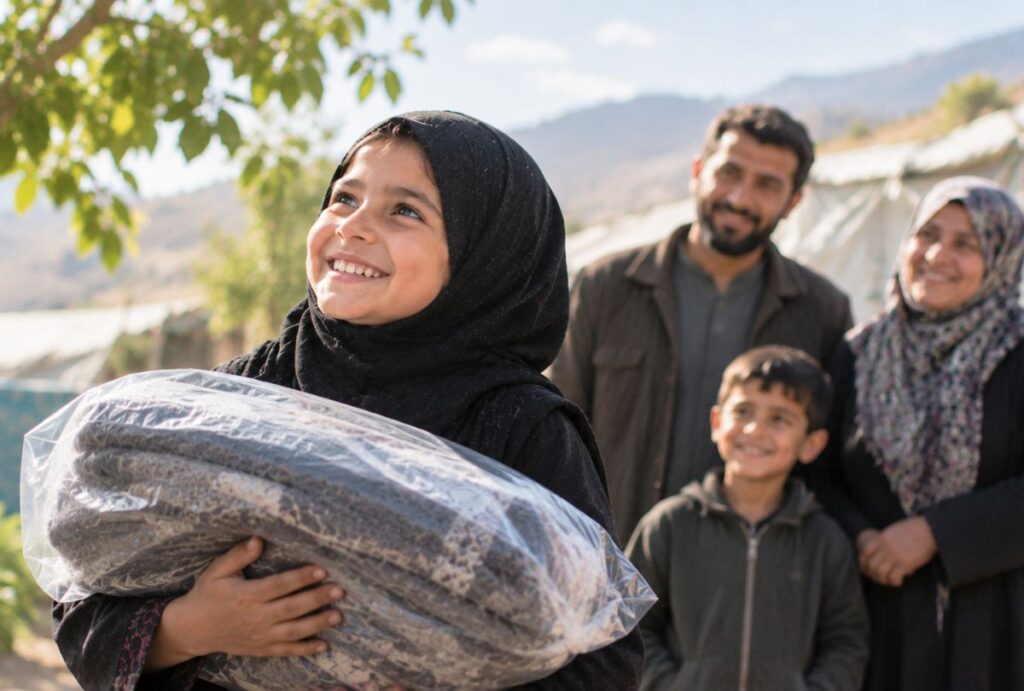
Can Sadaqah Be More Than Money?
Sadaqah isn't only about giving money. Discover how your time, kindness, knowledge and actions can become acts of charity in Islam with…
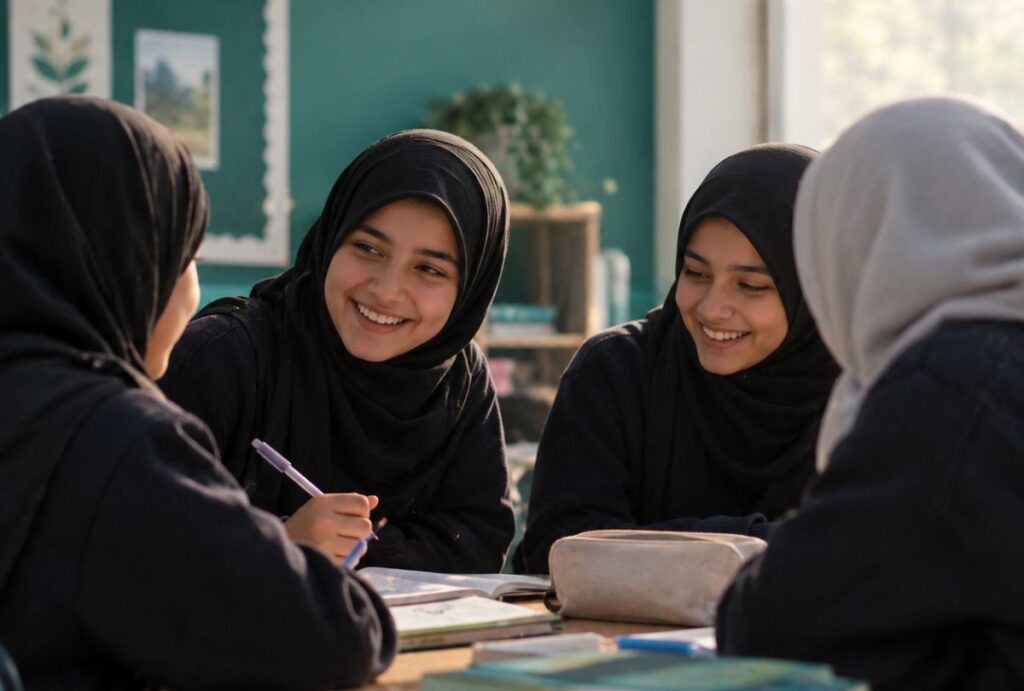
The Future Starts with Education
Invest in education and help vulnerable children build skills, confidence and opportunity. Support The Zahra Trust’s Back to School appeal today.