
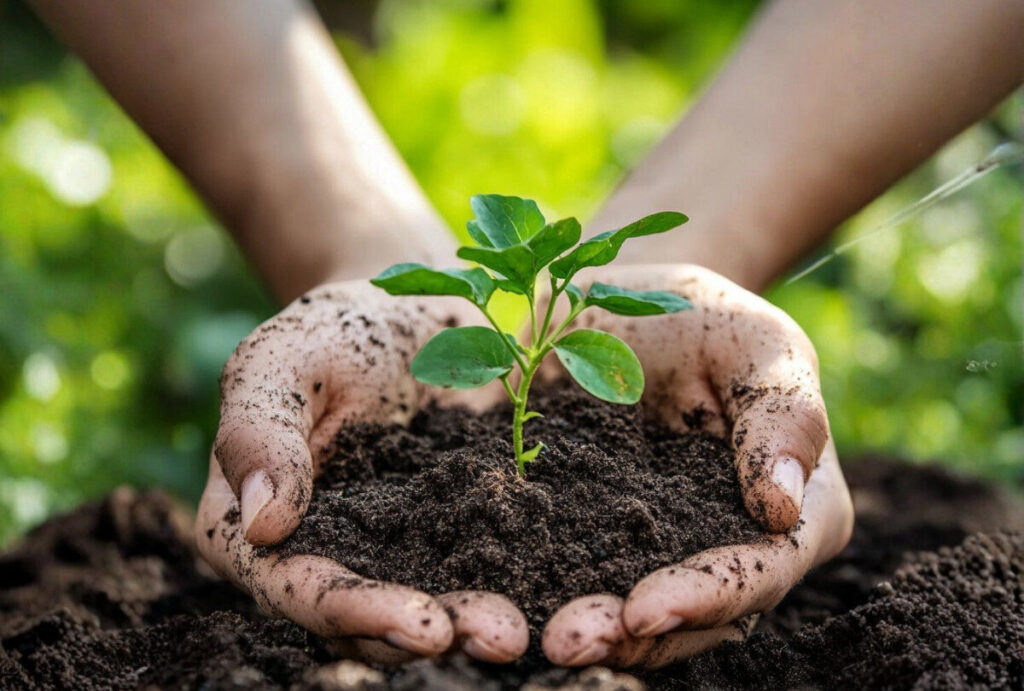
For many Muslims, giving is closely connected to meaningful moments in the Islamic calendar. The blessed nights of Ramadan, the remembrance of Muharram, and other sacred times inspire believers to give generously and support those in need.
But an important question often arises: is seasonal giving enough, or is sustainable giving more impactful?
The truth is that both play an important role. Seasonal generosity reflects moments of spiritual reflection, while sustainable giving ensures that communities receive consistent support throughout the year.
Understanding the balance between the two can help believers maximise the impact of their charity.
A Qur’anic reminder about charity
The Holy Qur’an repeatedly encourages believers to give generously and support those who are struggling:
“Those who spend their wealth in the way of Allah by night and by day, secretly and openly – they will have their reward with their Lord.”
Surah Al-Baqarah, Ayah 274
This verse highlights an important lesson: charity is not limited to a single moment. Rather, it can be a continuous act of compassion that benefits both the giver and those in need.
The value of seasonal giving
Seasonal giving has long been a powerful tradition within Muslim communities.
During spiritually significant times such as Ramadan or Muharram, believers are often reminded of their responsibility to support vulnerable people. These moments inspire acts of generosity that help provide urgent assistance to communities experiencing hardship.
Seasonal campaigns can also bring communities together, encouraging collective action and raising awareness about humanitarian challenges.
For many charities, these periods are crucial opportunities to deliver large-scale support to those who need it most.
Why sustainable giving matters
While seasonal donations are important, humanitarian needs exist throughout the entire year.
Families facing poverty, food insecurity, or lack of access to clean water cannot wait for specific moments in the calendar. Sustainable giving ensures that aid programmes can continue operating and supporting communities consistently.
Regular donations allow organisations to plan long-term initiatives, respond quickly to emergencies, and provide reliable assistance to vulnerable families.
Sustainable giving transforms charity into an ongoing commitment to compassion.
Finding the right balance
The question is not whether seasonal or sustainable giving is better. In reality, both forms of charity complement one another.
Seasonal generosity inspires communities and raises awareness, while sustainable giving ensures that support continues long after those moments have passed.
For believers who wish to maximise their impact, combining both approaches can be a powerful way to live the values of compassion and responsibility encouraged in Islam.
Seasonal giving refers to charitable donations made during significant moments in the Islamic calendar, such as Ramadan, Muharram, or Laylat al-Qadr.
Sustainable giving involves making regular donations throughout the year to ensure ongoing support for humanitarian programmes.
Both are valuable. Seasonal giving inspires generosity during key moments, while sustainable giving ensures communities receive continuous support.
The Zahra Trust uses donations to support humanitarian relief, emergency assistance, and long-term programmes that help vulnerable communities.
Islam encourages continuous acts of charity because they support people in need and strengthen compassion within society.
More from blog
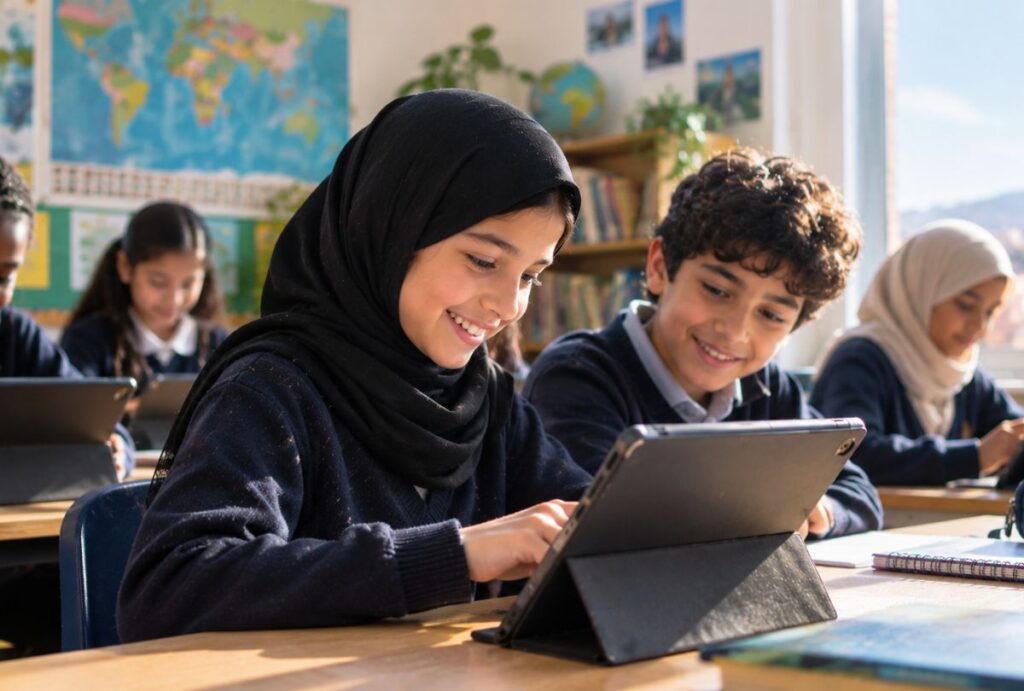
Bridging the Digital Divide Through Education
Discover how education and technology can help bridge the digital divide and create equal learning opportunities. Support children with the tools for…
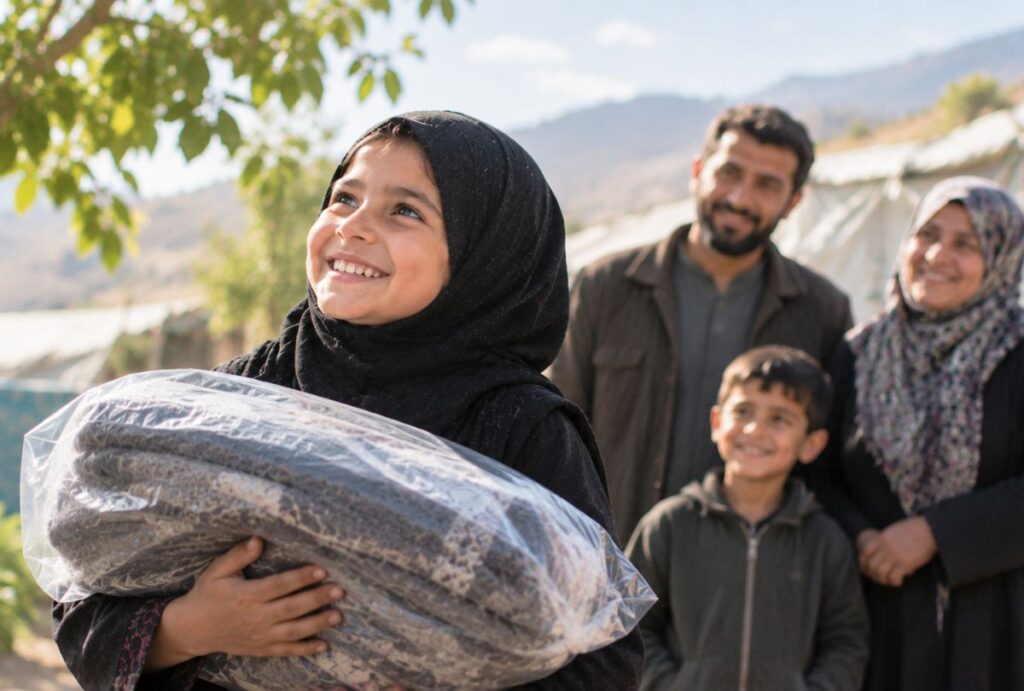
Can Sadaqah Be More Than Money?
Sadaqah isn't only about giving money. Discover how your time, kindness, knowledge and actions can become acts of charity in Islam with…
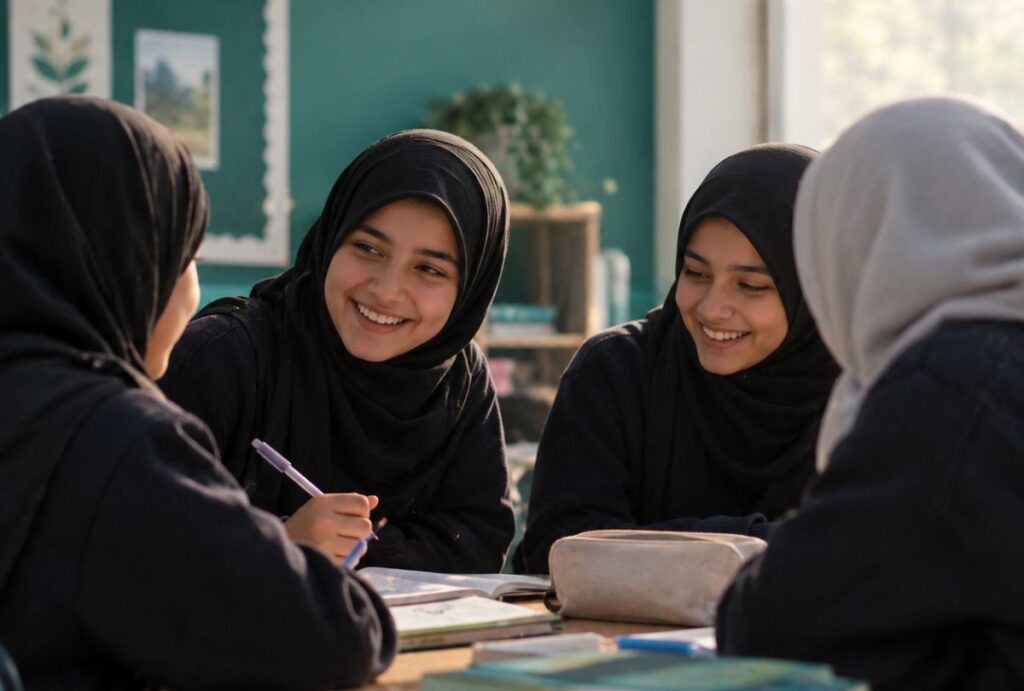
The Future Starts with Education
Invest in education and help vulnerable children build skills, confidence and opportunity. Support The Zahra Trust’s Back to School appeal today.