
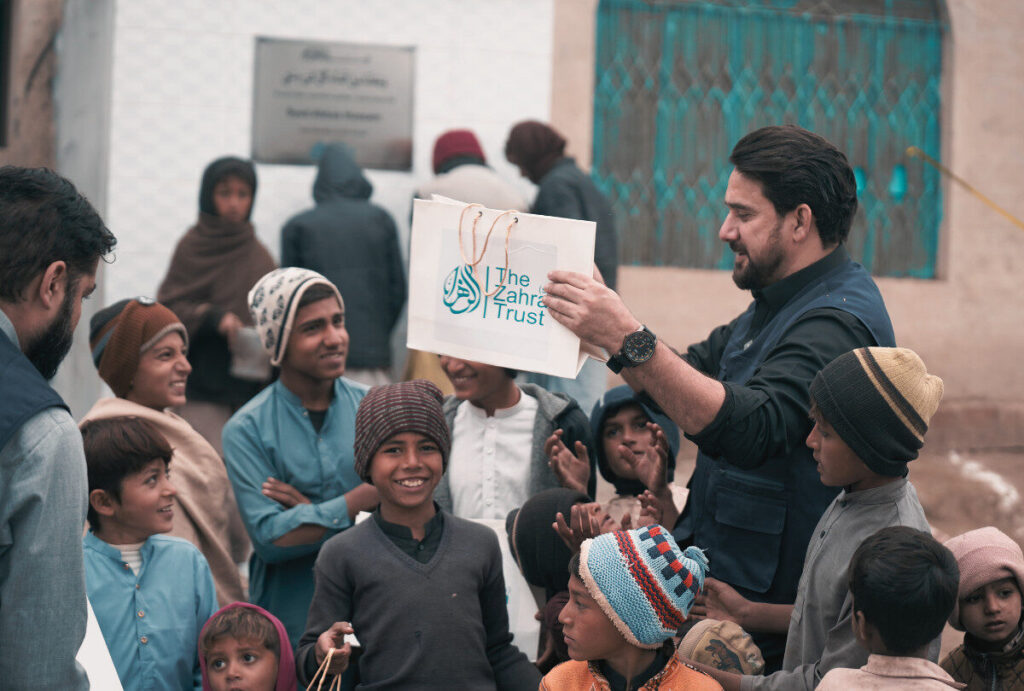
Ramadan with children can feel like a beautiful whirlwind — full of excitement, questions, tired evenings, and heartfelt moments.
For families across the UK, the holy month is not about perfection, but about planting seeds of faith, compassion, and love that will grow for years to come.
At The Zahra Trust, we believe Ramadan is a chance to nurture young hearts through kindness, generosity, and connection to Allah (swt), all while keeping family life realistic and joyful.
“O you who believe! Fasting is prescribed for you as it was prescribed for those before you, so that you may attain God-consciousness.”
Surah Baqarah, Verse 183
This verse reminds us that Ramadan is about taqwa, not pressure — especially for children.
Explaining Ramadan to Children in a Simple Way
Children don’t need long lectures. They need stories, warmth, and meaning.
Explain Ramadan as a special month where we try extra hard to be kind, remember Allah more often, and help others — just like the Ahlulbayt (as) taught us.
For younger children, fasting can be introduced gently:
- Half-day fasts
- Fasting from sweets or screen time
- Choosing one good deed a day
Older children may show curiosity about full fasting — encourage them without forcing, reminding them that intentions matter most.
Making Ramadan Fun Without Losing Its Meaning
Let’s be honest — children learn best when they’re engaged. Try:
- Ramadan charts for prayers, duas, and good deeds
- Decorating the home with lanterns and moon cut-outs
- Reading short stories about Lady Fatima (sa) and Imam Hasan (as) before bed
Small traditions build lasting memories. These moments often stay with children long after the fasts are over.
Ramadan is the month of giving, and children love feeling helpful. At The Zahra Trust, we see how powerful it is when children understand why we give.
Let them:
- Put coins into a Sadaqah jar
- Choose a cause they care about, like helping orphans or providing food
- Learn that giving is a way of following Sayyida Zahra (sa), who embodied selflessness
This turns charity into a lived experience, not just a concept.
Managing Tiredness, School, and Routine
With long fasts in the UK, energy can dip — for parents and children alike. Keep things manageable:
- Maintain regular bedtimes where possible
- Focus on quality worship, not quantity
- Be gentle if emotions run high — Ramadan is a learning curve
Remember, balance is also part of faith.
Creating Spiritual Moments as a Family
You don’t need hours of worship to make Ramadan meaningful:
- A short dua together before iftar
- Saying Bismillah as a family
- Talking about one blessing each day
These shared moments nurture love for Allah (swt) naturally and joyfully.
FAQ
Use age-appropriate explanations, stories from the Ahlulbayt (as), and gentle routines that fit around school and daily life.
Children are not obligated to fast. Encourage them gradually, focusing on intention and spiritual growth.
Use crafts, charts, storytelling, and involve them in preparing for iftar and charity.
Shia families emphasise love for the Ahlulbayt (as), compassion, charity, and understanding over pressure.
Charity teaches empathy and gratitude. Simple acts like donating or helping others are powerful lessons.
The Zahra Trust focuses on compassion, dignity, and supporting vulnerable communities — values that align perfectly with Ramadan teachings.
More from blog

Bridging the Digital Divide Through Education
Discover how education and technology can help bridge the digital divide and create equal learning opportunities. Support children with the tools for…
Can Sadaqah Be More Than Money?
Sadaqah isn't only about giving money. Discover how your time, kindness, knowledge and actions can become acts of charity in Islam with…
The Future Starts with Education
Invest in education and help vulnerable children build skills, confidence and opportunity. Support The Zahra Trust’s Back to School appeal today.