

The Day of Ashura, marked on the 10th of Muharram, is a day of deep reflection, mourning, and inspiration for Muslims around the world.
It commemorates the martyrdom of Imam Hussain (as), the beloved grandson of Prophet Muhammad (saww), who stood against tyranny and injustice on the plains of Karbala.
But Ashura is not only about remembering tragedy – it’s also about honouring the timeless values Imam Hussain (as) lived and died for.
Here are six profound lessons from Ashura that continue to inspire hearts today.
1. Stand for Justice
Imam Hussain (as) rose with a clear mission: to reform the Muslim community and uphold the values of justice, truth, and righteousness.
In the face of an oppressive ruler, he refused to remain silent. His courage reminds us to always speak the truth, even when the odds are against us.
“I rose to reform the Ummah of my grandfather [Prophet Muhammad].” – Imam Hussain (as)
To learn more about the noble life of Imam Hussain (as), click here.
2. Dignity Over Tyranny
Imam Hussain (as) was not killed because he was weak – but because he refused to be humiliated. He rejected giving allegiance to a corrupt leader, even if it meant death.
His message was clear: true believers never trade their dignity for worldly comfort.
“Never will be salvaged the people who win the consent of the creature at the cost of the dissatisfaction of the Creator.” – Imam Hussain (as)
3. It’s Never Too Late to Return to Allah (swt)
One of the most powerful moments in Karbala was the story of Hurr, a commander in the enemy army who changed sides just before the battle began.
Moved by the truth and sincerity of Imam Hussain (as), he sought forgiveness and was welcomed with open arms.
Imam Hussain (as) embraced the loyalty and bravery of Hurr, saying:
“Surely, you are free as your mother named you.”
Karbala teaches us that sincere repentance is always accepted – no matter how late it comes.
4. Put Others Before You
Hazrat Abbas (as), the half-brother of Imam Hussain (as), reached the Euphrates River in the midst of the Battle of Karbala with a chance to quench his thirst after days without water.
But he chose instead to bring water back for the children in the camp. He never drank a drop, and was martyred while trying to return.
“Al-Husayn (as) has come face to face with death and yet you want to drink cold and delicious water? I swear upon Allah that this is not in accordance with the dictates of my religion!” – Hazrat Abbas (as)
His act of pure selflessness is one of the most moving moments of Ashura.
5. Patience is a Form of Strength
Imam Hussain (as) watched his loved ones fall one by one in battle.
Despite this unimaginable grief, he remained composed and steadfast in his trust in Allah (swt). His patience was not weakness – it was power rooted in deep faith.
أَحَسِبَ ٱلنَّاسُ أَن يُتۡرَكُوٓاْ أَن يَقُولُوٓاْ ءَامَنَّا وَهُمۡ لَا يُفۡتَنُونَ
وَلَقَدۡ فَتَنَّا ٱلَّذِينَ مِن قَبۡلِهِمۡۖ فَلَيَعۡلَمَنَّ ٱللَّهُ ٱلَّذِينَ صَدَقُواْ وَلَيَعۡلَمَنَّ ٱلۡكَٰذِبِينَ
“Do the people reckon that they will be left to say, ‘We believe,’ and they will not be tried? Trial and tribulation are part of human history. And We certainly have tested those who were before them. Of course, Allāh verily knows those who speak truthfully in professing the faith, and He surely knows the liars.” – Quran 29:2-3
6. Women Are Powerful Leaders
After the tragedy, it was Sayyida Zainab (sa) – the sister of Imam Hussain (as) – who took leadership of the survivors.
Though captured and paraded from Karbala to Damascus, she stood tall in Yazid’s court and defended the truth with unshakable courage and dignity.
“I see nothing but beauty in what Allah has decreed.” – Sayyida Zainab (sa)
Her bravery shows us that women play a central role in preserving faith, truth, and resistance.
Honouring the Legacy of Ashura
Ashura is more than a day of sorrow – it is a call to action.
A call to live with honour, justice, and unwavering faith. Whether through charity, education, activism, or spiritual growth, we all have a role in carrying forward the legacy of Imam Hussain (as).
Answer the call of Karbala. Answer the call of Ashura.
FAQ
The Day of Ashura, observed on the 10th of Muharram in the Islamic calendar, commemorates the martyrdom of Imam Hussain (as), the grandson of Prophet Muhammad (saww), in the Battle of Karbala. It is a day of mourning, reflection, and spiritual significance for Muslims worldwide.
Imam Hussain (as) is revered for his stand against tyranny and injustice. He sacrificed his life and family to preserve the values of Islam, including justice, dignity, and truth, making him a symbol of resistance and moral courage.
Karbala teaches timeless lessons about standing up for justice, being patient in hardship, repenting sincerely, prioritising others, and the importance of strong leadership – especially by women like Sayyida Zainab (sa).
Sayyida Zainab (sa), the sister of Imam Hussain (as), led the survivors of Karbala with strength and resilience. She delivered a powerful speech in the court of Yazid, defending Islam and exposing the injustice of the massacre, becoming a symbol of female leadership and resistance.
Ashura is observed through mourning rituals, processions, lectures, and charitable acts. Many Muslims attend majalis (gatherings) and reflect on the moral and spiritual lessons of Imam Hussain’s (as) stand in Karbala.
The Day of Ashura continues to inspire people to uphold justice, speak truth to power, show patience in hardship, and live with integrity and compassion – universal values needed in every era.
More from blog
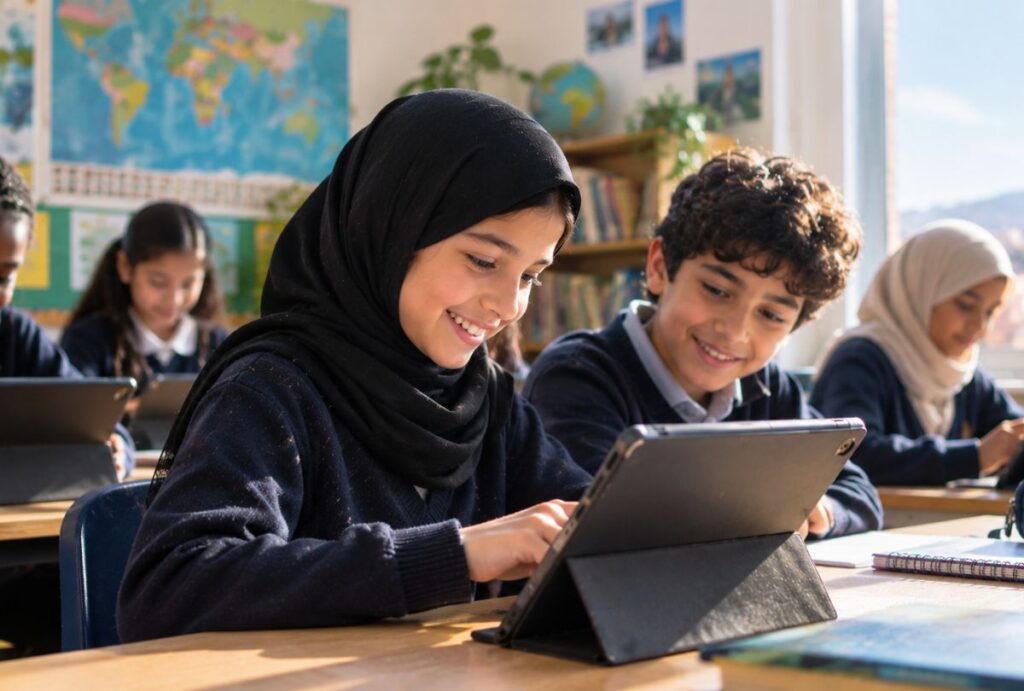
Bridging the Digital Divide Through Education
Discover how education and technology can help bridge the digital divide and create equal learning opportunities. Support children with the tools for…
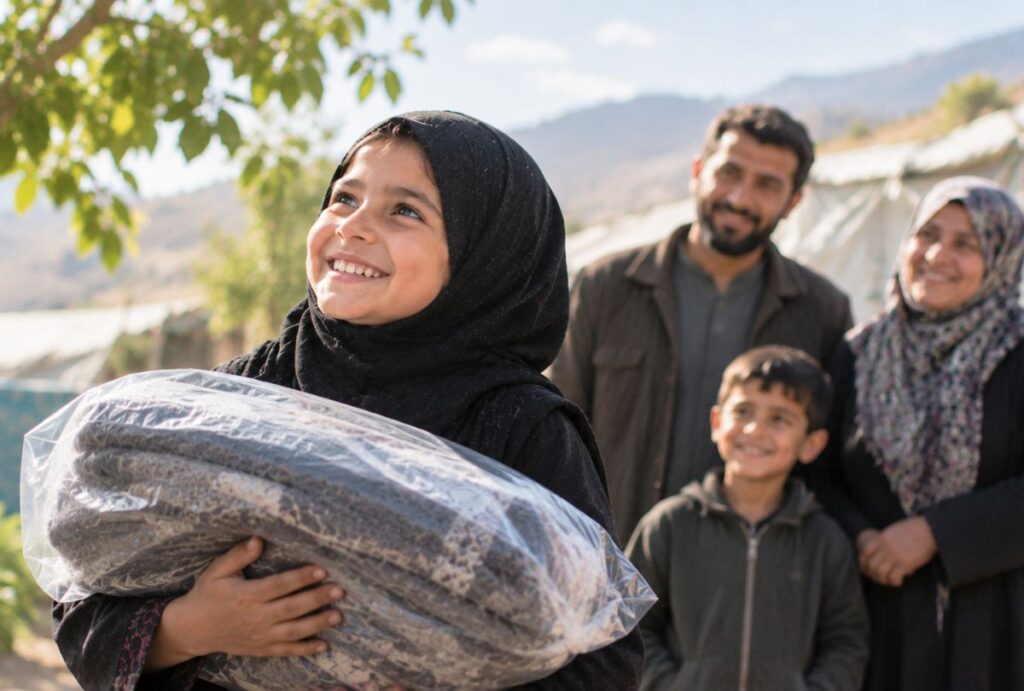
Can Sadaqah Be More Than Money?
Sadaqah isn't only about giving money. Discover how your time, kindness, knowledge and actions can become acts of charity in Islam with…
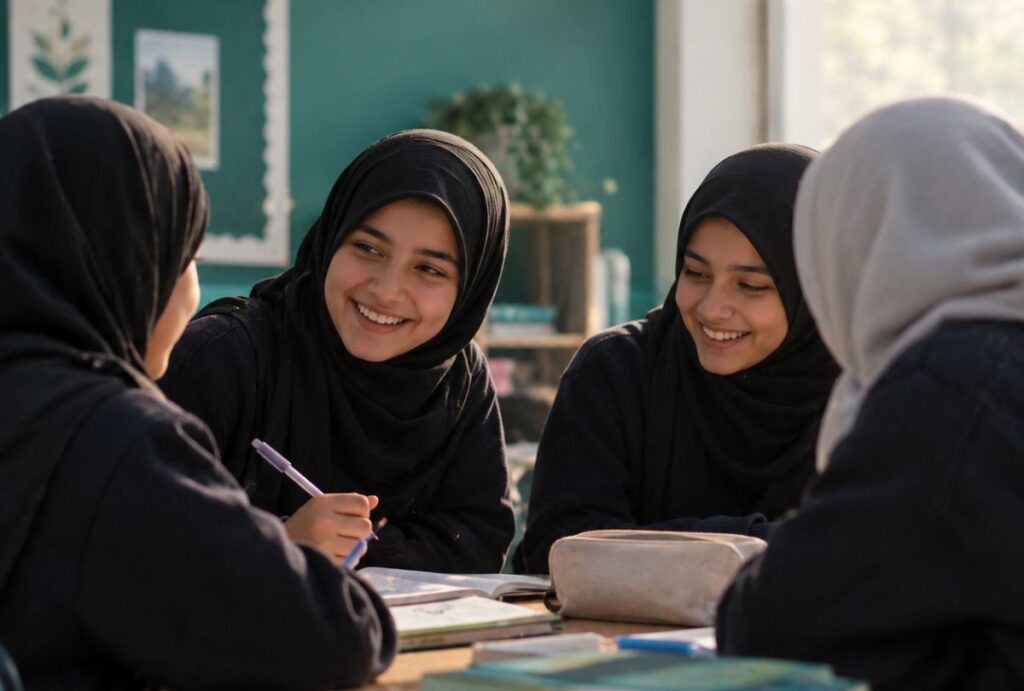
The Future Starts with Education
Invest in education and help vulnerable children build skills, confidence and opportunity. Support The Zahra Trust’s Back to School appeal today.