
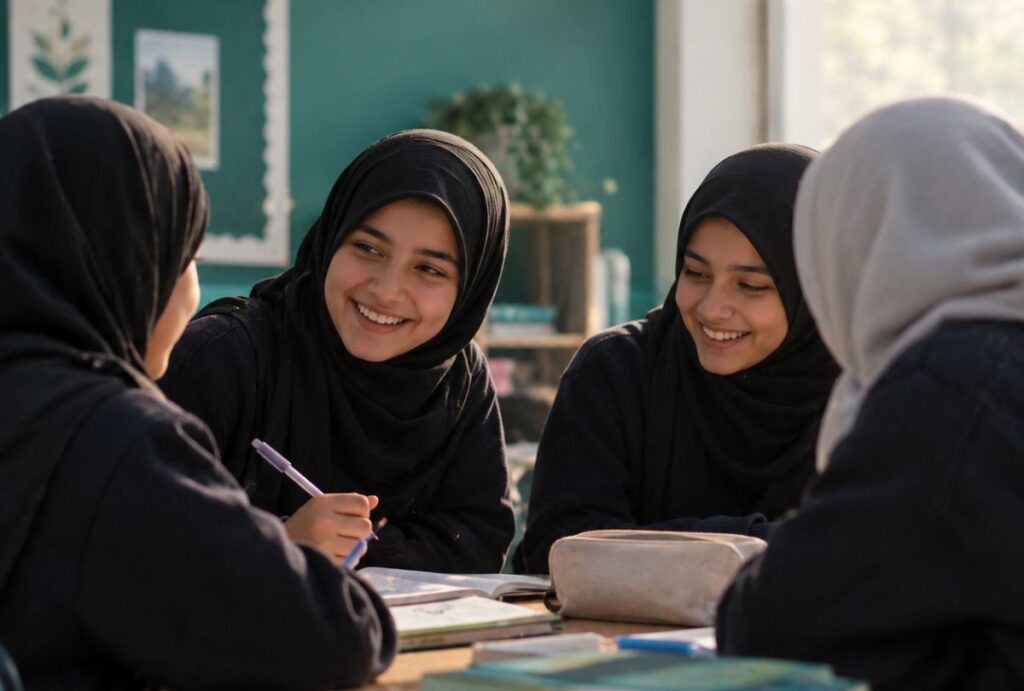
Education can change the direction of a child’s life. It can open doors to opportunity, strengthen confidence and provide the knowledge and skills needed to build a more secure future.
But the impact of education does not stop when a child leaves the classroom. When children gain access to quality learning, the benefits can extend to their families and communities, creating opportunities that can continue across generations.
That is why investing in education is about more than helping a child through another school year. It is about helping them prepare for life.
The Quran reminds us of the importance of seeking knowledge:
“…And say, ‘O My Lord! increase me in knowledge.’” (20:114)
For vulnerable children and young people, however, access to education and the tools needed to benefit from it can be affected by poverty. A lack of books, technology, practical skills and other educational resources can make it harder for children to reach their potential.
Every investment in education can therefore become an investment in what comes next.
Why Investing in Education Creates Lasting Change
Education is widely recognised as one of the most powerful drivers of long-term social and economic development. Research highlighted by UNESCO and the World Bank shows that additional years of schooling can increase lifetime earnings, while investment in education can generate wider economic benefits over time.
This matters because education can create a multiplier effect.
A child who receives an education can gain knowledge and skills that improve their future opportunities. As they grow, those opportunities can enable them to support their family, contribute to their community and potentially help others access opportunities themselves.
The impact of one educational opportunity can therefore reach much further than one individual.
Imam Ali (as) is reported to have said,
“Knowledge is the lamp of the intellect.” (Ghurar al-Hikam, n.536)
Education gives children more than information. It can help them understand the world around them, make informed decisions and develop the confidence to shape their own future.
Education Can Transform Families and Communities
The benefits of education can extend beyond the individual learner.
Research has found associations between education and outcomes including health, employment, civic participation and economic wellbeing. Education can also have an intergenerational effect. Parents who have benefited from education may be better positioned to recognise its value and support their own children’s health, learning and development.
This can help create a positive cycle.
One generation gains access to learning. That learning creates new possibilities. Those possibilities can then influence the opportunities available to the next generation.
For children living in poverty, this kind of change can be especially significant. Educational support can help address barriers that might otherwise prevent them from learning, developing skills and pursuing future opportunities.
That is why education support should be viewed as an investment in people, families and communities, rather than simply a short-term intervention.
From the Classroom to Future Opportunities
Education should not only help children get through the school year.
It should prepare them for life.
Today’s children are growing up in a world where technology, employment and essential skills are constantly changing. Access to technology and practical training can make an important difference to how young people learn and how prepared they are for future opportunities.
For vulnerable children and young people, poverty can make these resources harder to access.
A child may have the ability and ambition to succeed, yet lack the technology, training or educational support needed to develop that potential.
Investing in education can help bridge that gap.
Support can contribute towards technology development, skills training, education support and future opportunities, giving children and young people tools that can continue to benefit them beyond the classroom.
Education today can become opportunity tomorrow.
Knowledge as a Lasting Investment
There is also a deeper dimension to supporting education.
In Islam, beneficial knowledge holds a special place. The Prophet (saww) taught that when a person dies, their deeds come to an end except for three, including knowledge that benefits others.
This principle gives education a powerful connection to sadaqah jariyah, or ongoing charity. When knowledge continues to benefit others, its impact can extend beyond the moment it is given.
Supporting a child’s education can therefore be understood not simply as providing immediate assistance, but as contributing towards something that may continue to benefit that child and others throughout their life.
Amir al-Mu’mineen (as) is reported to have said,
“There is no treasure more profitable than knowledge.” (al-Kafi, v.8, p.19, n.4)
A school resource, a teacher’s support, a learning opportunity or access to technology may appear to be a single act of giving. Yet the knowledge and confidence gained through that support can continue to shape decisions and opportunities long afterwards.
The Value of Every Educational Opportunity
The evidence also demonstrates that investment in education can produce measurable results.
Research on school funding has found that increased spending can improve educational outcomes, particularly for disadvantaged pupils. One US study cited in the research provided for this campaign found that a $1,000 increase in per-pupil spending over four years was associated with improved test scores and an estimated increase in lifetime earnings.
International research has also identified relatively low-cost educational interventions that can produce substantial gains in learning.
The lesson is simple: resources matter.
Providing children with the right support can help turn potential into progress.
And every contribution, whatever its size, can be part of that wider investment.
Education as a Trust for the Next Generation
“…Say: Are those who know equal to those who don’t know? (Of course, not.) Only the people of understanding minds remember.” (39:9)
Education is one way we can help children pursue knowledge, develop their abilities and become active contributors to their families and communities.
It is also an act of investing in the next generation.
When we provide children with learning opportunities, technology, skills and educational support, we are helping them prepare for a future that may look very different from today.
That investment can help build confidence and independence while creating possibilities that poverty might otherwise have closed off.
Education That Creates a Future
A child does not only need to learn for today.
They need the skills to build tomorrow.
For many vulnerable children and young people, poverty can limit access to technology, training and opportunity. They are full of potential, but without the right support, that potential can remain locked away.
There is still an opportunity to make an investment that can reach far beyond the school year.
Your donation can help provide technology, skills training and education support, giving children and young people the tools they need to learn, grow and prepare for the future.
Every investment in education can create lasting change.
Give more than a lesson. Give a future.
Help equip a child for the future by providing the resources they need to return to school with confidence.
Frequently Asked Questions
Why is investing in education important?
Investing in education can help children gain knowledge, skills and confidence while improving their future opportunities. Its benefits can also extend to families and communities, making education a powerful form of long-term investment.
How does education help break the cycle of poverty?
Education can improve access to employment and economic opportunities while helping people develop skills and greater independence. When children receive educational support, the benefits can potentially extend to their families and future generations.
How can donations support a child’s education?
Donations can help provide educational resources and support, including technology, skills training and other opportunities that help vulnerable children and young people learn, develop and prepare for the future.
What is sadaqah jariyah?
Sadaqah jariyah means ongoing charity, where the benefit of an act of giving continues over time. Supporting beneficial knowledge and education can be viewed through this lens because the knowledge gained may continue to benefit a person and others throughout their life.
Why support education through The Zahra Trust?
Our work focuses on helping vulnerable children and young people access the support they need to learn and prepare for the future. By giving before it closes, supporters can contribute towards educational opportunities that aim to create lasting change.
More from blog
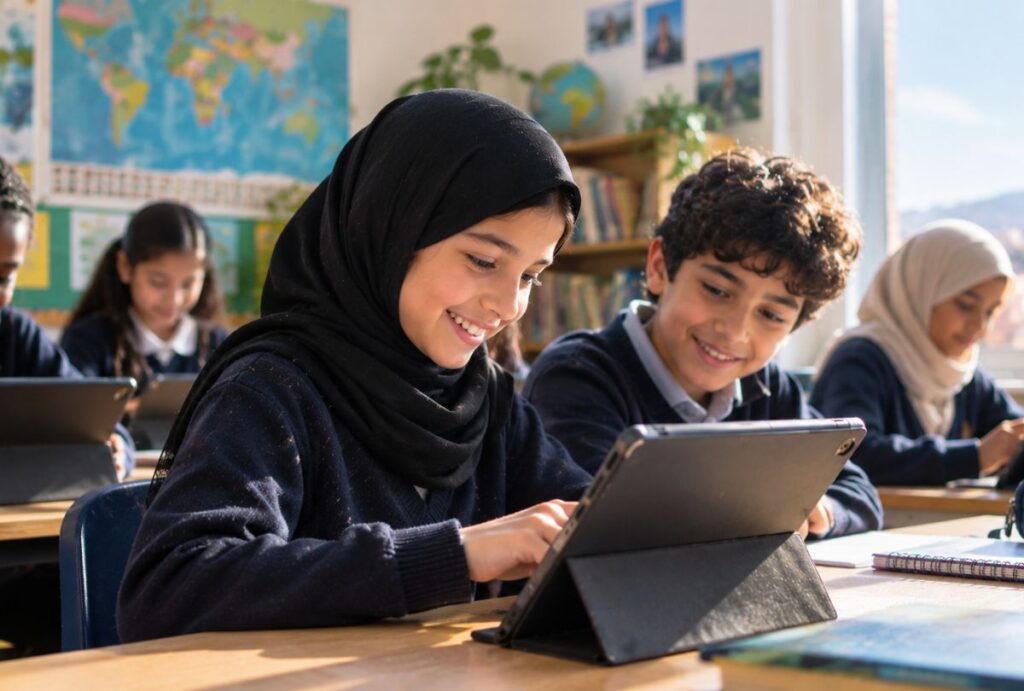
Bridging the Digital Divide Through Education
Discover how education and technology can help bridge the digital divide and create equal learning opportunities. Support children with the tools for…
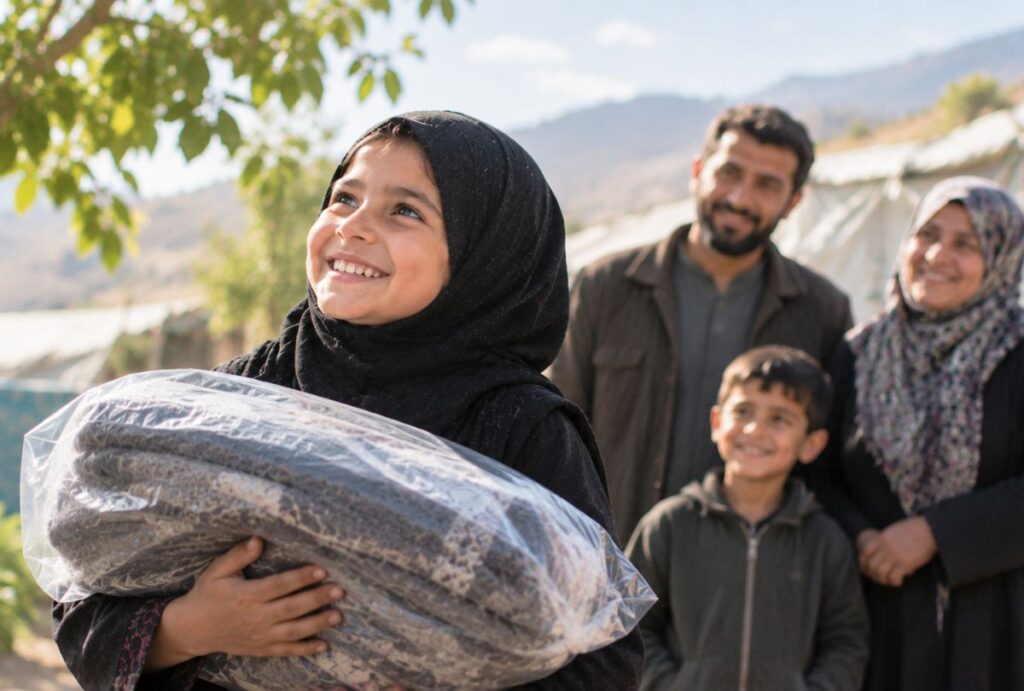
Can Sadaqah Be More Than Money?
Sadaqah isn't only about giving money. Discover how your time, kindness, knowledge and actions can become acts of charity in Islam with…
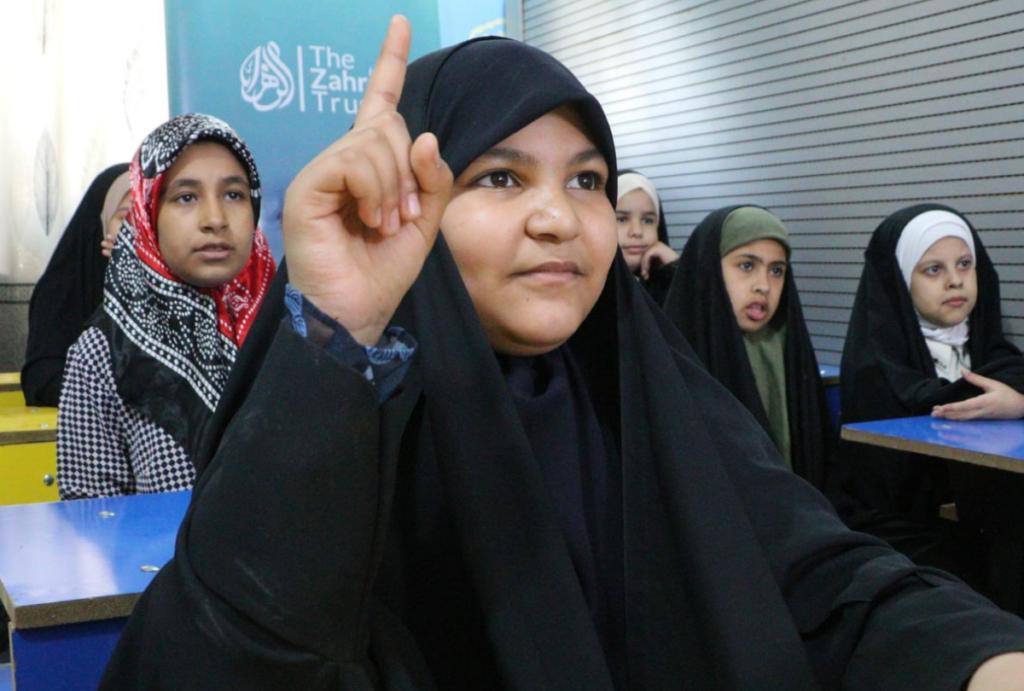
Rebuilding Futures Through Education: Restoring Hope, Dignity and Opportunity
When a community experiences crisis, the impact reaches far beyond the immediate moment. Conflict, poverty, and displacement can interrupt a child’s education,…