
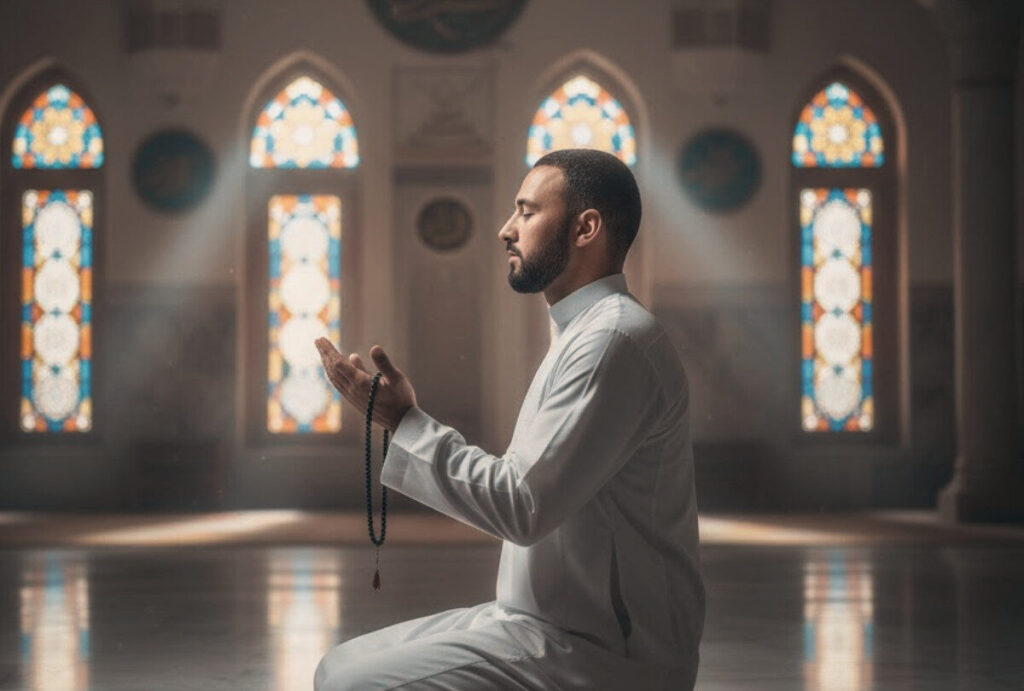
Ramadan is not just a change in routine—it is an invitation. An invitation to slow down, reflect, and gently renew the spirit.
For many of us in the UK, Ramadan unfolds alongside busy workdays, school runs, and long evenings. Yet within these ordinary moments lies an extraordinary chance for spiritual growth.
At The Zahra Trust, we believe Ramadan is about reconnecting—with Allah (swt), with the teachings of the Ahlulbayt (as), and with those most in need.
Renewing Your Intention (Niyyah)
Spiritual renewal begins with intention. Before the first fast, pause and ask yourself: What do I want this Ramadan to change within me?
It’s important to remember that intention is not merely spoken—it is lived. Even small acts, when done sincerely for Allah (swt), can carry immense reward.
Strengthening Your Connection Through Du’a
Ramadan is rich with supplications taught by the Imams (as).
Du’as such as Du’a Abu Hamza Thumali and Du’a Iftitah are powerful tools for spiritual reflection. Even reading a few lines daily can soften the heart and deepen awareness of Allah’s (swt) mercy.
Living the Values of the Ahlulbayt (as)
Renewing the spirit also means embodying compassion, justice, and generosity.
Supporting orphans, widows, and vulnerable families reflects the very essence of Lady Fatima al-Zahra (sa).
Through giving, we purify not only our wealth but our hearts.
Balancing Worship with Daily Life
Ramadan does not demand perfection. It invites consistency. A short daily Qur’an recitation, mindful prayers, and kindness in speech can transform the month into a lasting spiritual milestone.
FAQ
Set realistic goals and focus on quality over quantity in worship.
Allah (swt) values sincerity. Even brief moments of remembrance matter.
Shared iftars, group du’as, and discussing Islamic values help build connection.
Yes—even a small donation or kind act carries great reward.
Encourage age-appropriate fasting, storytelling, and acts of kindness.
By delivering aid with dignity to those most in need, inspired by the Ahlulbayt (as).
More from blog
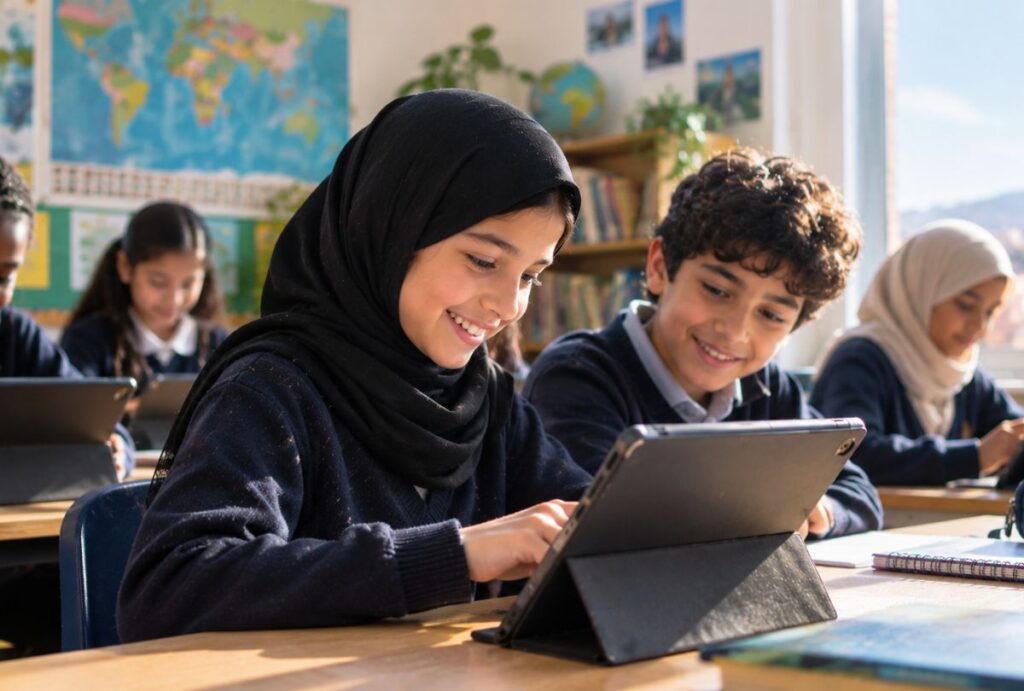
Bridging the Digital Divide Through Education
Discover how education and technology can help bridge the digital divide and create equal learning opportunities. Support children with the tools for…
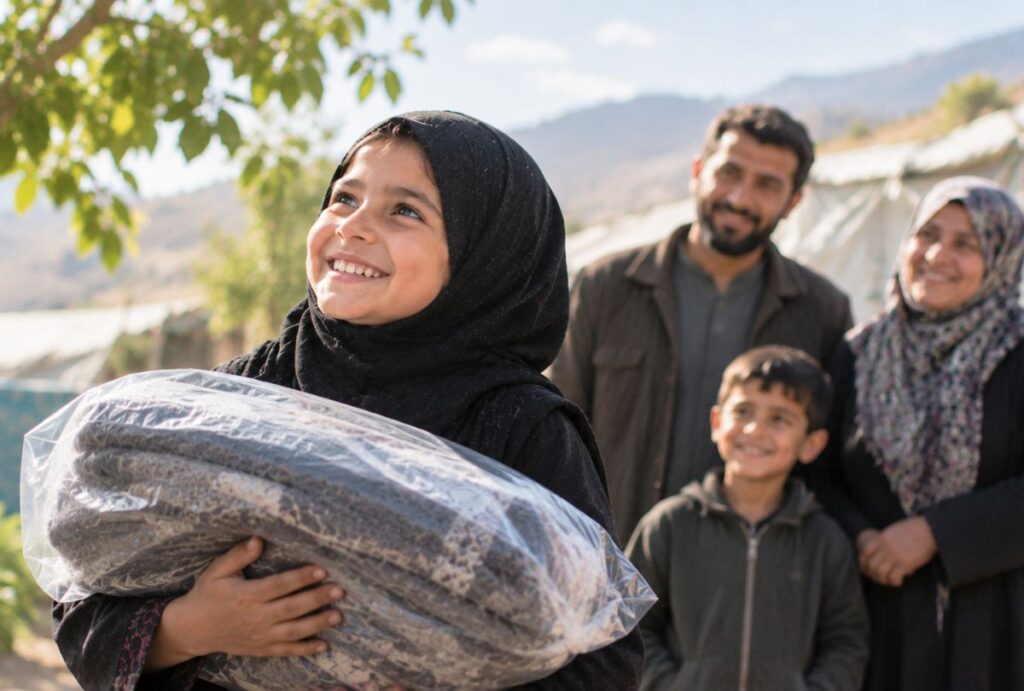
Can Sadaqah Be More Than Money?
Sadaqah isn't only about giving money. Discover how your time, kindness, knowledge and actions can become acts of charity in Islam with…
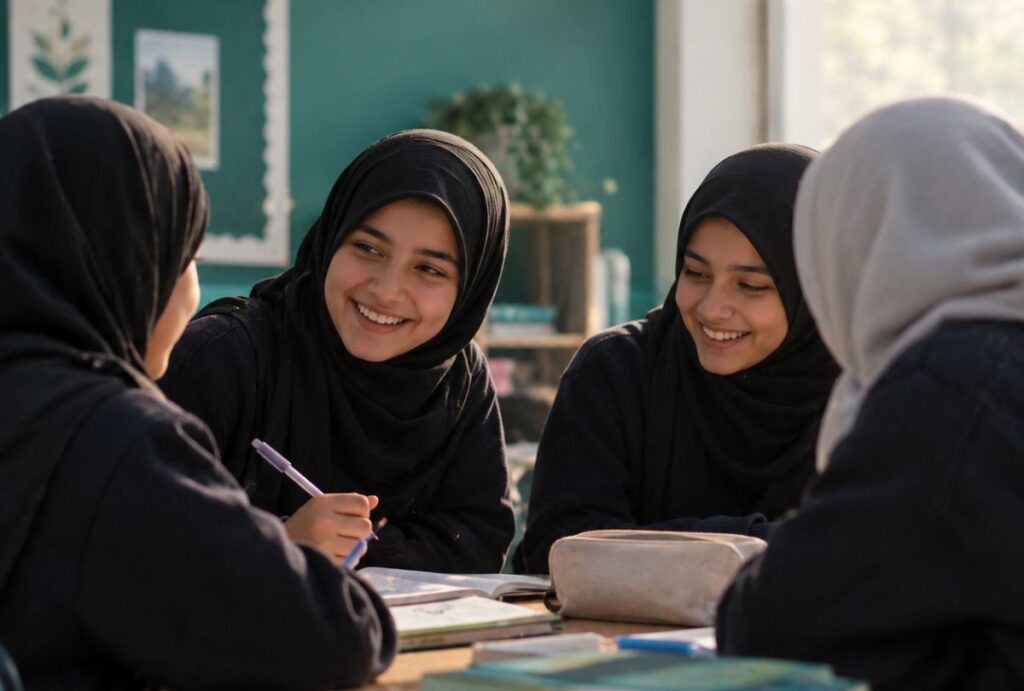
The Future Starts with Education
Invest in education and help vulnerable children build skills, confidence and opportunity. Support The Zahra Trust’s Back to School appeal today.