

Ramadan is not just about abstaining from food — it is about feeding the soul with purpose.
In the quiet moments before suhoor, or the stillness after iftar, many Muslims ask the same question: How do I truly remember the Imam of our Time (ajtfs)?
Remembering Imam al-Mahdi (ajtfs) is not only through words — it is through action, intention, and responsibility.
Ramadan trains us to think beyond ourselves. Hunger softens the heart. Thirst awakens empathy.
And in that state, remembrance becomes real.
Allah (swt) says in the Qur’an:
“Indeed, Allah does not change the condition of a people until they change what is within themselves.”
Surah Ar-Ra’d, Verse 11
Remembering the Imam (ajtfs) Through Responsibility
The Imam (ajtfs) is not absent — he is awaited. And waiting, in Islam, is active.
It means standing against injustice, feeding the hungry, protecting dignity, and choosing stability over chaos.
At The Zahra Trust, we see remembrance reflected in action:
- A fed family no longer fighting for today, but planning for tomorrow
- Clean water that becomes mercy written into the land
- Medical care that stops a family from collapsing into poverty
This is how we prepare the ground for his (ajtfs) return.
Ramadan: From Du‘a to Deeds
We recite Du‘a al-Faraj, asking Allah (swt) to hasten the Imam’s (ajtfs) reappearance.
But Ramadan asks us something more: Are we becoming the kind of community worth returning to?
When we give food, we create peace.When we provide water, we build futures.
When we protect mothers, we protect generations.
This is remembrance that lasts.
FAQ
No. Du‘a is essential, but action is a form of remembrance.
Justice and care for the vulnerable are central to his mission.
Ramadan softens hearts and aligns us with responsibility.
Yes. Feeding creates stability, which Islam values deeply.
Absolutely. Intend your actions as service to Allah (swt) and His Hujjah.
By turning compassion into long-term stability for communities.
More from blog
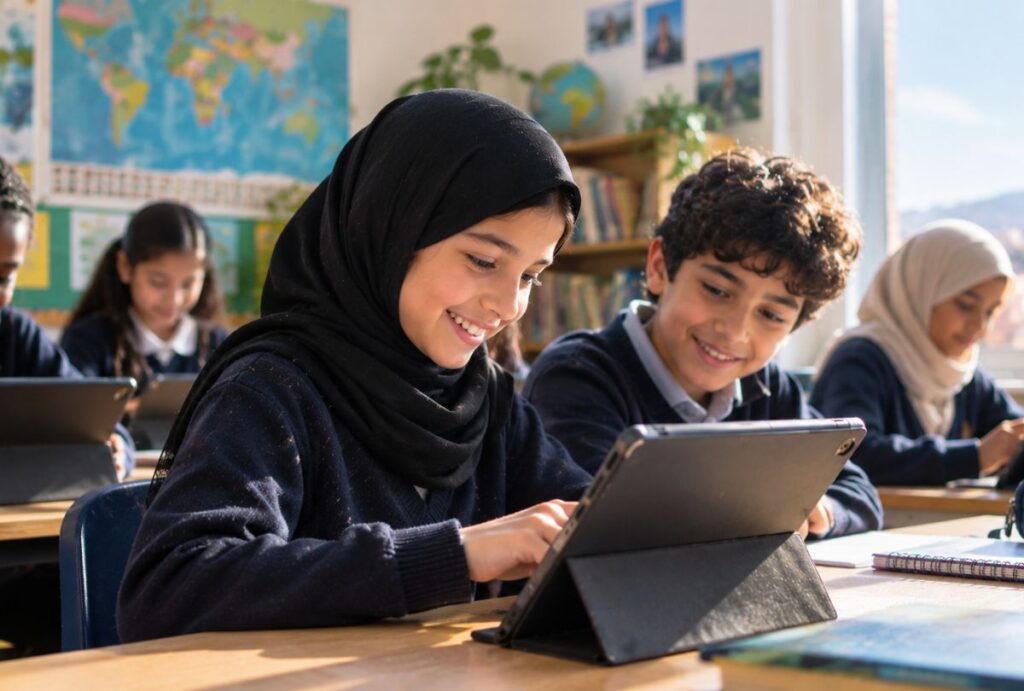
Bridging the Digital Divide Through Education
Discover how education and technology can help bridge the digital divide and create equal learning opportunities. Support children with the tools for…
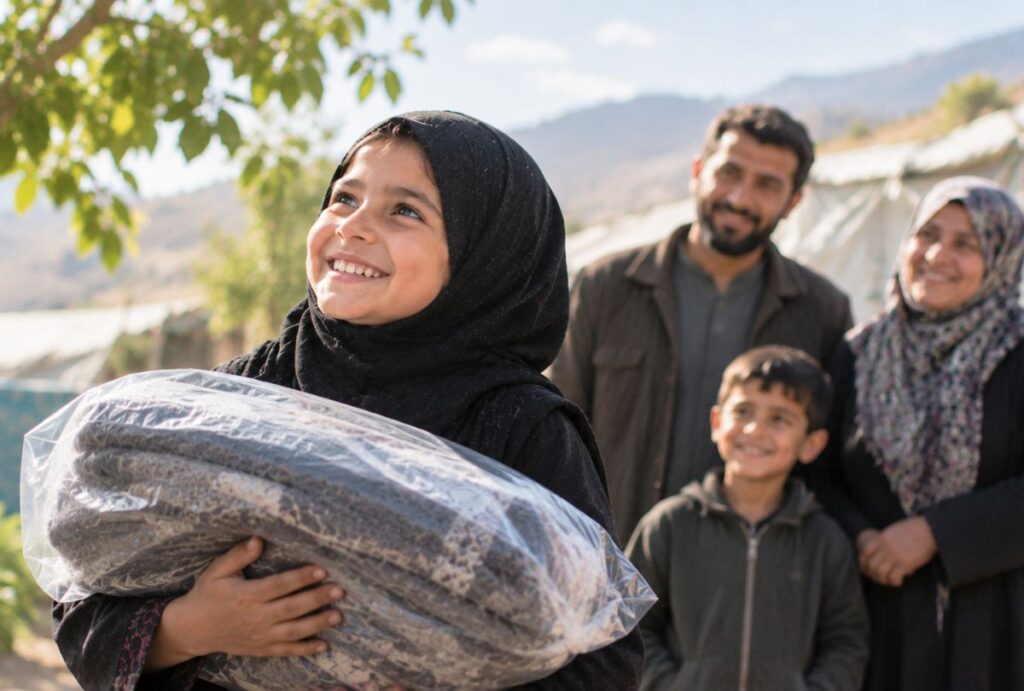
Can Sadaqah Be More Than Money?
Sadaqah isn't only about giving money. Discover how your time, kindness, knowledge and actions can become acts of charity in Islam with…
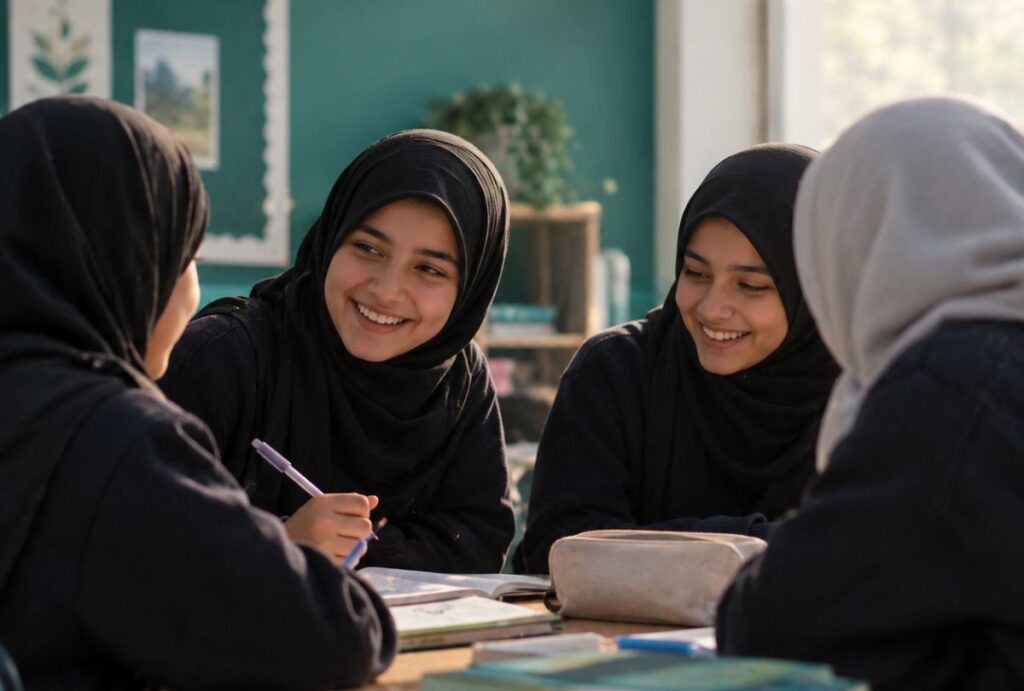
The Future Starts with Education
Invest in education and help vulnerable children build skills, confidence and opportunity. Support The Zahra Trust’s Back to School appeal today.