
How to Prepare for Eid in Islam: Meaningful Steps for the Heart, Home, and Global Community
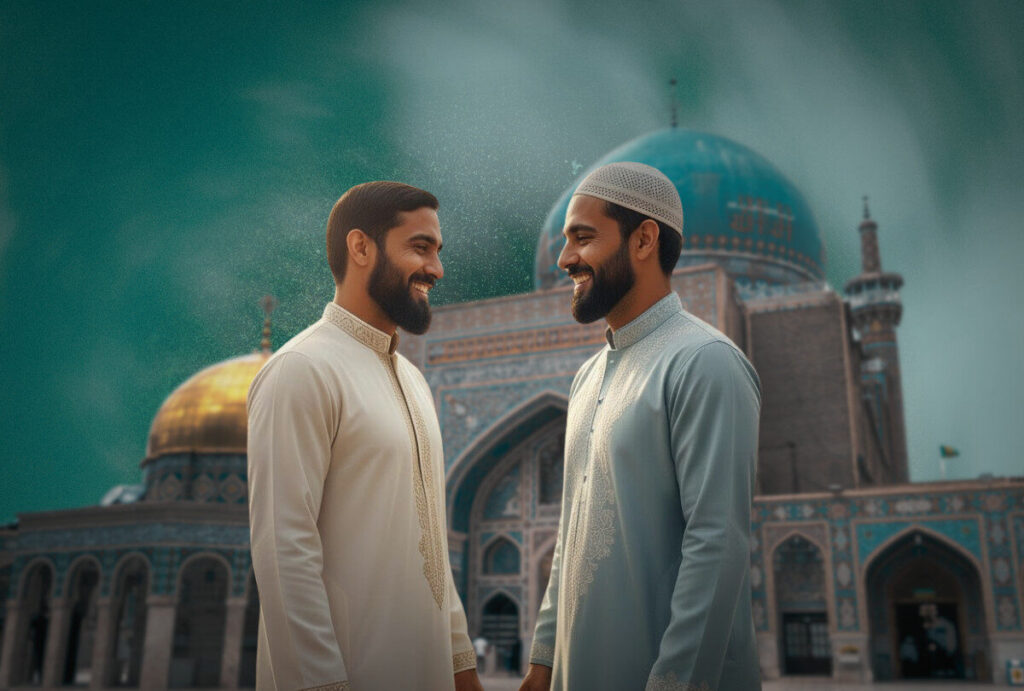
The days leading up to Eid are often filled with excitement.
New clothes are bought, homes are cleaned, menus are planned, and messages are drafted to friends and family.
There is colour, laughter, and anticipation everywhere.
But amid all the preparation, an important question often goes unasked.
Are our hearts ready for Eid too?
In Islam, Eid is not simply a celebration marking the end of fasting.
It is a moment of gratitude, reflection, and spiritual reward.
Without preparing the heart, Eid risks becoming busy, loud, and fleeting rather than meaningful and uplifting.
True Eid joy begins long before the prayer mat is rolled out and the table is set.
The Quiet Weight Many Carry into Eid
For many people, Eid arrives with mixed emotions.
Some carry stress from unfinished Shahr Ramadan goals.
Others feel guilt over prayers missed or intentions delayed.
Families may be holding unresolved disagreements, and friendships may feel distant.
At the same time, we are painfully aware that many around the world are entering Eid facing hunger, insecurity, and hardship.
Without thoughtful Eid preparation, it is easy to step into celebration while our hearts remain unsettled.
Islam teaches us that joy is deepest when it is rooted in peace, purpose, and compassion.
Realigning Our Intentions Before Eid
Before the excitement takes over, it helps to pause and realign our intentions.
Preparing for Eid in Islam means bringing together worship, reconciliation, and charity.
It means thanking Allah (swt) for the strength to complete Shahr Ramadan, seeking forgiveness for shortcomings, and ensuring others are not left behind in our celebration.
Supporting those in need, especially at this time, is one of the most powerful ways to prepare for Eid.
Charity does not reduce our joy. It multiplies it.
What Eid Could Feel Like with the Right Preparation
Imagine an Eid where hearts feel lighter.
Prayers are offered with sincerity. Family tensions soften.
Apologies are exchanged. Gratitude replaces regret.
Vulnerable families are able to celebrate with dignity because someone cared enough to help.
Allah (swt) reminds us of the purpose behind completing the month of Ramadan:
“You should complete the number (of fasting days and, at the end of Shahr Ramaḍan), you may glorify Allah (swt) (by saying takbīr) for having guided you; and (hopefully,) you may thank Him.”
Surah Baqarah, Verse 185
This is the spirit of Eid al-Fitr.
Gratitude after worship. Joy grounded in remembrance.
Celebration that honours faith and humanity together.
Is My Heart Ready for Eid?
Before focusing on decorations and outfits, it is worth asking a more meaningful question.
Is my heart ready for Eid?
This preparation begins quietly and sincerely.
Start by making dua that Allah (swt) accepts your fasting, prayers, and efforts during Shahr Ramadan.
Acceptance matters more than perfection.
Even small acts, when sincere, carry immense weight.
Imam Ali (as) is reported to have said:
“Verily it is only a festival for he whose fasts Allah (swt) has accepted and whose prayers He has acknowledged, and every day in which we do not disobey Allah (swt) is a day of celebration.”
Sharh Nahjul Balagha, v.20
Let this reminder shape how we approach Eid.
Its beauty lies in acceptance and obedience, not appearance.
Preparing for Eid Through Worship and Gratitude
Spiritual Eid preparation includes returning to simple, powerful acts of worship.
Increase dhikr throughout the day.
Say Alhamdulillah often, especially for the blessings we overlook.
Seek forgiveness through istighfar for moments of weakness and distraction.
The Prophet (saww) is reported to have said:
“Adorn the two festivals (Eid al-Fitr and Eid al-Adha) with frequent chants of “La Ilaha Illallah” (There is no god but Allah swt), Allahu Akbar (Allah swt is the Greatest), Al-Hamdu Lillah (All praise is due to Allah swt), and with glorification of Allah (swt).’
Kanz al-Ummal, n.24095
These words turn Eid from an event into an act of worship.
Zakat al-Fitr and the Power of Charity
One of the most important aspects of Eid preparation in Islam is ensuring others can celebrate too.
Zakat al-Fitr purifies our fasts and helps those in need meet their basic requirements for Eid.
Beyond this obligation, giving additional charity reflects a heart that understands the meaning of Eid.
Across the world, families face Eid without sufficient food, clothing, or security.
Supporting trusted initiatives, including efforts connected to The Zahra Trust, helps transform Eid from a personal celebration into a shared one within the global community.
Charity ensures that joy is not reserved for a few, but extended to many.
Healing Relationships Before Eid
Eid is a time of togetherness, yet unresolved conflict can quietly shadow the day.
Preparing for Eid means having the courage to reach out.
A message. A call. A sincere apology.
Even if reconciliation is not immediate, taking the first step softens the heart and invites Allah’s (swt) mercy.
Forgiveness is not weakness. It is strength rooted in faith.
Let Your Eid Preparation Change Someone Else’s Eid
As Eid approaches, let preparation go beyond lists and plans.
Prepare your heart with gratitude. Prepare your soul with worship. Prepare your hands with generosity.
When you give charity, support families in need, and remember those facing hardship, your Eid joy becomes part of someone else’s survival and hope.
That is the Eid worth preparing for.
FAQ
Muslims prepare for Eid by combining worship, gratitude, charity, and reconciliation. This includes completing Shahr Ramadan with sincerity, giving Zakat al-Fitr, increasing remembrance of Allah (swt), and strengthening relationships.
Spiritual preparation ensures that Eid is not just a celebration, but a meaningful moment of gratitude and acceptance. It helps Muslims approach Eid with peace, humility, and joy rooted in faith.
Charity purifies fasting and allows those in need to celebrate Eid with dignity. Giving before Eid strengthens the global community and ensures joy is shared rather than limited.
According to Ayatollah Sayyid Sistani (ha), Zakat al-Fitr should be paid after Maghrib on the night of Eid and before the Eid prayer. If the Eid prayer is not performed, it should be paid before Dhuhr on the day of Eid.
No Ramadan is perfect. What matters is sincerity. Seek forgiveness, make dua for acceptance, and approach Eid with gratitude and renewed intention.
When Muslims prepare for Eid through charity, forgiveness, and shared responsibility, they help build unity and ensure Eid joy reaches beyond individual households.
More from blog
Bridging the Digital Divide Through Education
Discover how education and technology can help bridge the digital divide and create equal learning opportunities. Support children with the tools for…
Can Sadaqah Be More Than Money?
Sadaqah isn't only about giving money. Discover how your time, kindness, knowledge and actions can become acts of charity in Islam with…
The Future Starts with Education
Invest in education and help vulnerable children build skills, confidence and opportunity. Support The Zahra Trust’s Back to School appeal today.