
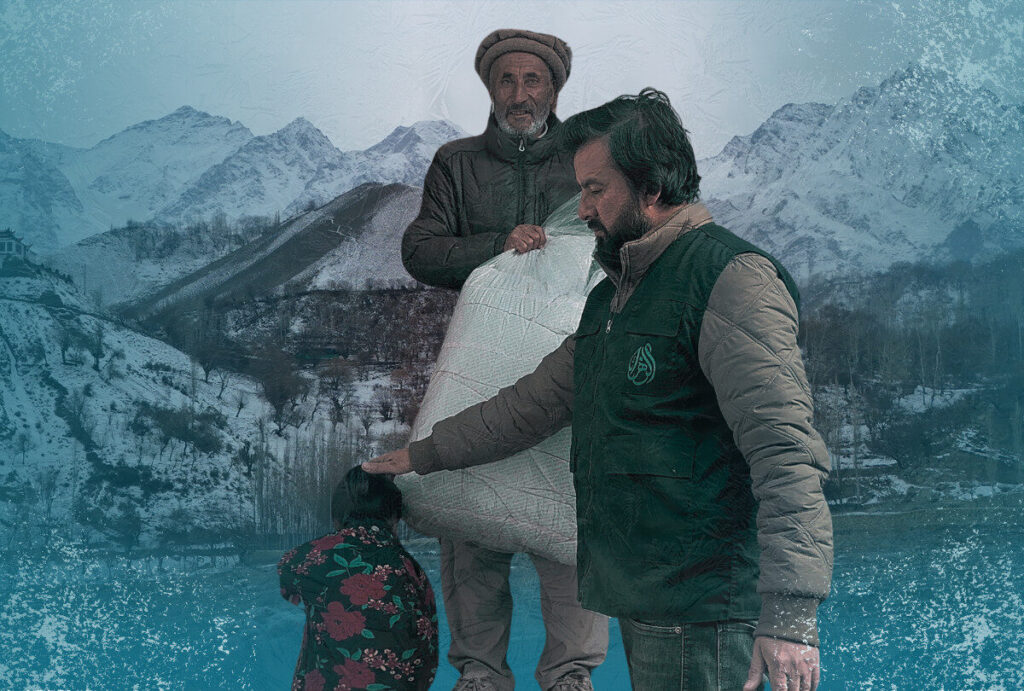
Charity in Islam is more than an action. It’s an act of worship.
The way we give, the intention behind it, and the heart we carry while giving all shape the spiritual value of our sadaqah.
Islam doesn’t measure the worth of charity by its size. It measures it by sincerity.
Allah (swt) reminds us:
“If you disclose your charitable expenditures, they are good; but if you conceal them and give them to the poor, it is better for you.” (Quran 2:271)
This verse gently teaches us that the purity of charity often shines best when hidden from public eyes.
Understanding Charity in Islam: The Heart Before the Hand
Giving charity is a beautiful act, but in Islam, what happens before giving matters just as much.
Our niyyah (i.e. intention) determines whether our charity rises to Allah (swt) as a sincere good deed.
Why Intention Matters More Than the Amount
A handful of dates given with humility can outweigh a large donation given for show.
Islam teaches that value isn’t found in quantity; it’s found in sincerity.
The Prophet (saww) said that actions are judged by intentions.
Your charity is judged the same way.
Quranic Perspective on Sincere Giving
Allah (swt) praises those who give without harming the dignity of the receiver or seeking admiration:
“Those who spend their wealth in the way of Allah (swt), and do not follow up (what they have spent) with reproach or hurt to the recipient, for them is their reward with their Lord, and they shall have no fear nor shall they grieve.” (Quran 2:262)
True charity uplifts, it never humiliates.
When Does Charity Lose Its Spirit?
We live in an age where many acts of generosity are documented for likes, shared for followers, and praised publicly.
This can blur the lines between sincerity and recognition.
The Rise of Performative Giving
When every act of charity becomes a photo, a story, or a viral video, something gets lost: the heart of giving.
Islam doesn’t forbid public charity. In fact, sometimes it inspires others.
But when charity becomes a tool for attention, it loses its spiritual reward.
Preserving the Dignity of Those in Need
At the heart of Islamic charity is respect.
The individual receiving support should feel honoured, not exposed or belittled.
Charity should offer relief, not embarrassment.
The Correct Way to Give Charity in Islam (Based on Quran & Sunnah)
The teachings of Islam outline clear principles for meaningful charity.
Giving Quietly and Without Seeking Praise
Private charity nurtures sincerity.
When only Allah (swt) sees your giving, the heart becomes focused, clean, and humble.
Giving Compassionately and Consistently
A small act done regularly is more beloved in Islam than a large act done once.
Daily, weekly, or monthly charity keeps the heart connected to compassion, even if small.
Giving Only for the Sake of Allah (swt)
Every time you give, ask yourself: “Who am I giving for?”
If the answer is Allah (swt), then your charity becomes a beautiful act of worship.
Lessons From the Ahlulbayt (as) on Sincere Charity
The Ahlulbayt (as) are our teachers in compassion, humility, and giving.
Imam Ali (as): Giving Even When in Need
Imam Ali (as) gave his food to the poor while fasting, choosing hunger so others could eat.
This wasn’t a show of piety; it was a heartfelt act of mercy.
Lady Fatima (sa): Exemplifying Humility in Giving
Lady Fatima (sa) once gave away her wedding dress to a woman in need.
A moment that could have been about her happiness became a moment of generosity.
Imam Hassan (as): Silent Charity as a Way of Life
Imam Hassan (as) gave quietly, preferring that no one knew.
This teaches us that charity is a private conversation between a believer and Allah (swt).
Practical Ways to Give Charity the Right Way Today
Here are simple but powerful ways to practice sincere giving:
1. Renewing Your Niyyah Before Giving
Pause. Reflect. Say: “O Allah, I give for You alone.”
This small moment transforms your giving.
2. Choosing Sadaqah Jariyah Projects
Sadaqah jariyah continues rewarding you even after you’re gone.
Examples include:
- Education support
- Medical care
3. Giving Locally and Privately
A meal, a quiet donation, or anonymous support can change someone’s life in ways unseen by the world but known by Allah (swt).
4. Volunteering in Service of Others
Time is one of the greatest gifts.
Visiting the elderly, helping at community centres, or serving your local mosque are all forms of charity.
5. Offering Simple Acts of Kindness
A smile, a warm meal, or a small gift can be a powerful act of compassion.
What Your Charity Makes Possible
When charity is given with sincerity, it becomes a source of hope.
Organisations such as The Zahra Trust continue this legacy by supporting vulnerable communities with dignity and care.
Your support:
- Provides for families
- Brings relief during hardship
- Uplifts communities with dignity
True giving isn’t measured by amount, but by heart.
Give With Heart, For Allah (swt) Alone
Charity in Islam is at its best when it comes from a place of sincerity, humility, and compassion.
Give quietly, give kindly, and give for Allah (swt) alone, and every act will become a source of blessing for both you and the one you support.
FAQ
Islam teaches that charity should be given with sincerity, humility, and pure intention. Giving can be public or private, but private charity is often more spiritually rewarding.
Actions in Islam are judged by intentions. A sincere heart makes even the smallest act of giving meaningful.
The Ahlulbayt (as) offered profound examples:
- Imam Ali (as) gave food while fasting.
- Lady Fatima (sa) gave away her wedding dress.
- Imam Hasan (as) gave silently, without recognition.
Sadaqah jariyah (ongoing charity) is highly encouraged because it continues benefiting others long-term.
- Renew your intention
- Give quietly
- Protect the dignity of others
- Choose lasting projects
- Follow the example of the Ahlulbayt (as)
More from blog
Bridging the Digital Divide Through Education
Discover how education and technology can help bridge the digital divide and create equal learning opportunities. Support children with the tools for…
Can Sadaqah Be More Than Money?
Sadaqah isn't only about giving money. Discover how your time, kindness, knowledge and actions can become acts of charity in Islam with…
The Future Starts with Education
Invest in education and help vulnerable children build skills, confidence and opportunity. Support The Zahra Trust’s Back to School appeal today.