

Sometimes the body is full, but the soul still feels hungry.
In a world filled with noise, deadlines, and endless scrolling, it’s easy to feed the body while neglecting the nafs – the inner self that shapes our intentions, actions, and connection with Allah (swt).
Islam reminds us that the soul also needs nourishment. Just as the body requires food and water, the nafs requires remembrance, reflection, and acts of compassion to remain healthy.
Allah (swt) reminds us in the Qur’an:
“Indeed, in the remembrance of Allah do hearts find rest.”
Surah Ar-Ra’d, Ayah 28
When we feed our souls with goodness, our hearts soften, our perspective shifts, and our connection to the world around us deepens.
What is the nafs in Islam?
In Islamic teachings, the nafs refers to the inner self – the part of us that experiences desires, struggles, and spiritual growth.
The journey of a believer is to refine the nafs, nurturing it with spiritual “food” that brings it closer to tranquillity and sincerity.
Five ways to feed your soul
1. Remember Allah (swt) regularly
Dhikr is one of the most powerful ways to nourish the soul.
Even simple phrases such as, SubhanAllah, Alhamdulillah and Allahu Akbar can calm the heart and redirect our focus back to what truly matters.
A few moments of remembrance each day can transform our mindset and restore spiritual balance.
2. Give charity with sincerity
Charity does more than support those in need – it purifies the heart of attachment to wealth.
When we give sincerely, we remind our souls that provision ultimately belongs to Allah (swt).
Through organisations like The Zahra Trust, acts of charity reach vulnerable communities worldwide through food programmes, medical care, education initiatives, and support for orphans and widows.
Every act of giving nourishes both the recipient and the giver’s soul.
3. Reflect on the Qur’an
The Qur’an is described as a healing for the hearts.
Spending even a few minutes reading or reflecting on its meaning can provide clarity, comfort, and spiritual nourishment.
Reflection encourages us to pause, reassess our priorities, and reconnect with divine guidance.
4. Serve others
Service to humanity is a core teaching in Islam and in the example of the Ahlulbayt (as).
Helping others – whether through charity, volunteering, or kindness – cultivates humility and gratitude.
The Zahra Trust’s work embodies this spirit by supporting communities facing poverty, conflict, and displacement. When believers contribute to such efforts, they actively feed their souls through compassion.
5. Practice gratitude
Gratitude transforms the way we see the world.
Instead of focusing on what we lack, gratitude reminds us of the countless blessings already present in our lives.
A grateful heart strengthens faith and brings peace to the nafs.
How helping others enriches your soul
Acts of generosity have a profound spiritual impact.
When we support those facing hardship, we are reminded of the responsibility we carry as part of the global ummah.
Spiritual growth does not always require grand gestures. Sometimes the smallest actions bring the greatest nourishment to the heart.
Each act brings the nafs closer to tranquillity and strengthens our connection with Allah (swt).
FAQs
The nafs refers to the inner self or soul. It represents a person’s desires, intentions, and spiritual state, and it can evolve through self-discipline and remembrance of Allah (swt).
You can purify the nafs through prayer and remembrance of Allah (swt), reading the Qur’an, giving charity, and practising patience and gratitude.
These acts help strengthen faith and improve spiritual character.
Charity reminds believers that wealth is a trust from Allah (swt). Giving to those in need reduces attachment to material possessions and increases compassion and humility.
Helping others strengthens empathy, gratitude, and humility. It aligns believers with the teachings of the Ahlulbayt (as) and deepens their connection with Allah (swt).
The Zahra Trust delivers humanitarian aid worldwide, including food aid, healthcare support, water projects, and education programmes for vulnerable communities.
Yes. Islam teaches that even small acts of kindness, remembrance, or charity carry great reward and contribute to spiritual growth.
More from blog
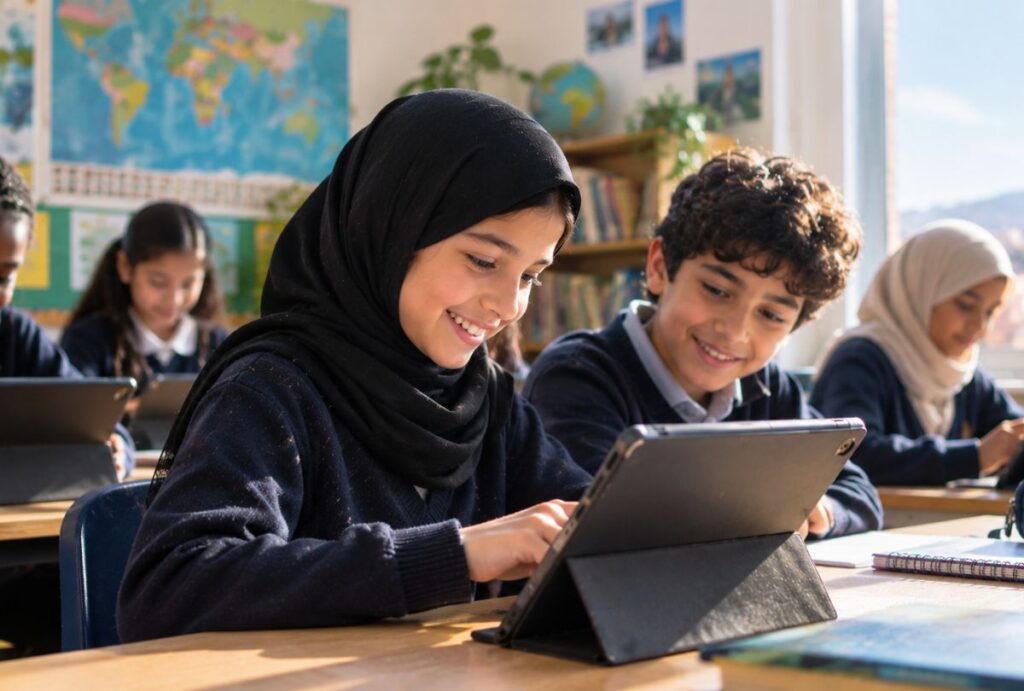
Bridging the Digital Divide Through Education
Discover how education and technology can help bridge the digital divide and create equal learning opportunities. Support children with the tools for…
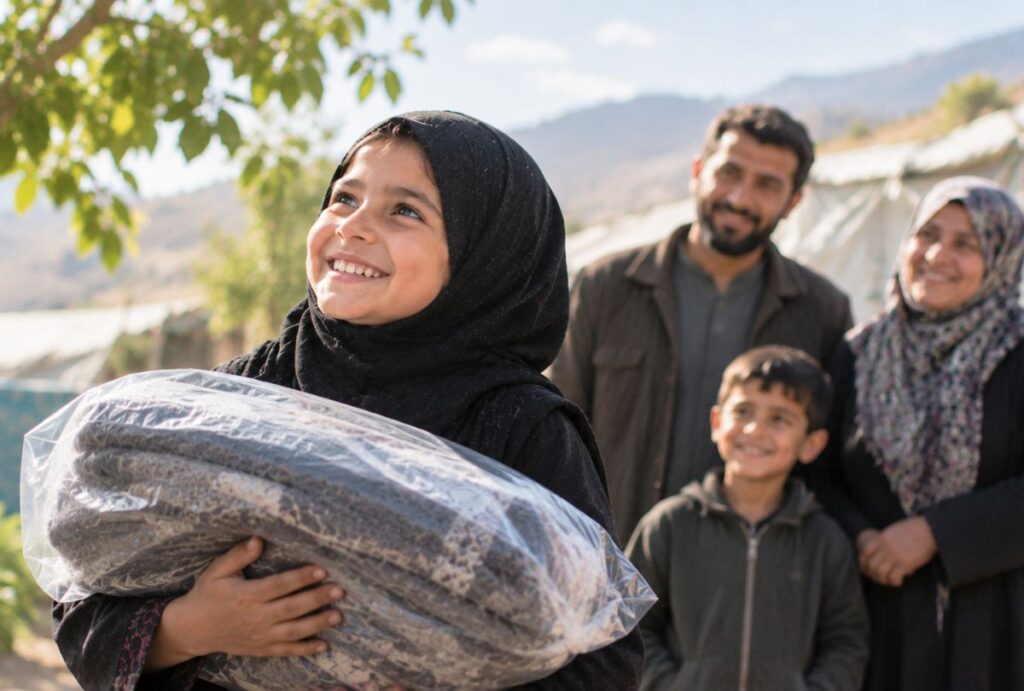
Can Sadaqah Be More Than Money?
Sadaqah isn't only about giving money. Discover how your time, kindness, knowledge and actions can become acts of charity in Islam with…
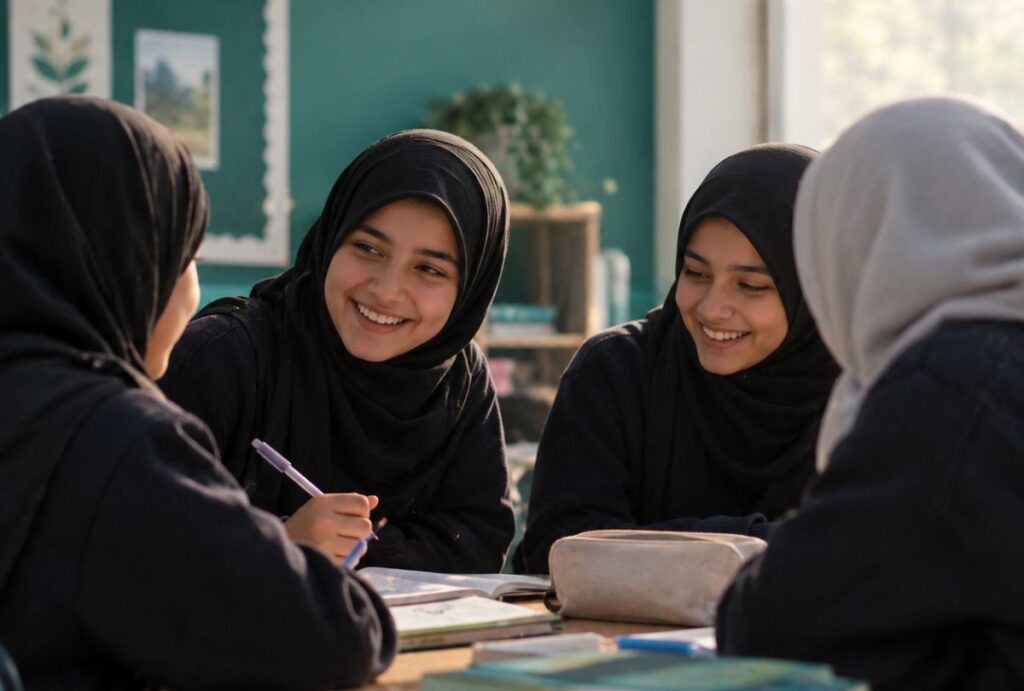
The Future Starts with Education
Invest in education and help vulnerable children build skills, confidence and opportunity. Support The Zahra Trust’s Back to School appeal today.