
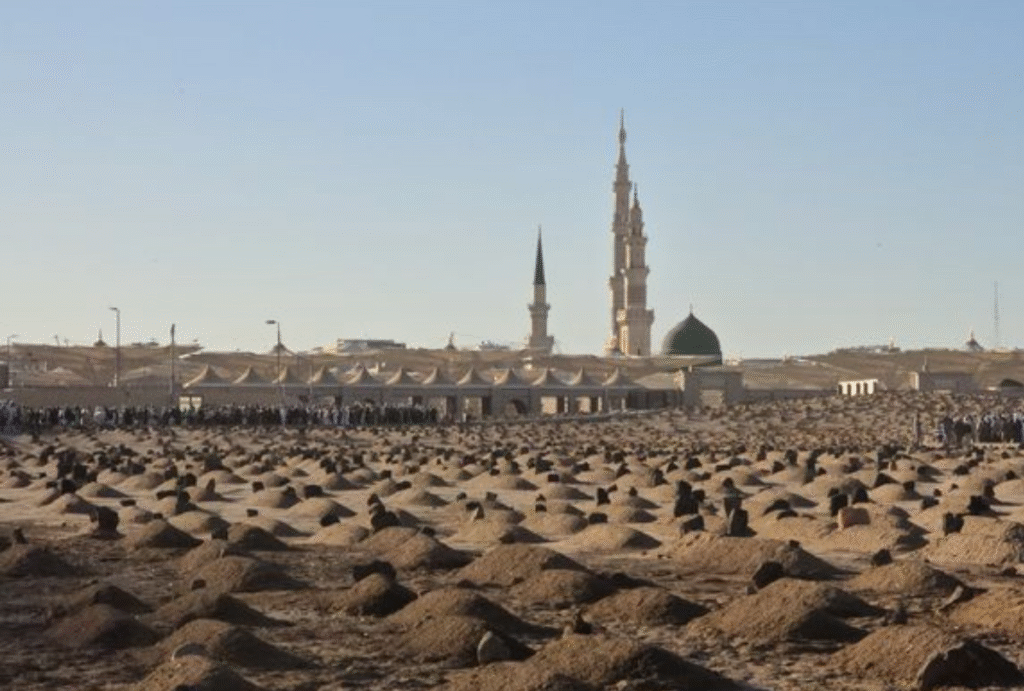
“Every soul shall taste death…”
Surah Aal-e- Imran, Ayah 185
Death is not just an event – it is a moment that shakes the heart, stills the tongue, and leaves us searching for meaning.
Grief can feel overwhelming, yet within Islam, and especially within the our tradition, there is a profound framework to help us navigate loss with patience, dignity, and hope.
At The Zahra Trust, we recognise that grief is deeply personal, but no one has to endure it alone.
Understanding grief through faith
In Islam, death is not the end – it is a transition. The soul returns to its Creator, and this belief provides comfort during moments of sorrow.
For Muslims, the remembrance of the trials of the Ahlulbayt (as), particularly the tragedy of Karbala, offers a powerful lens through which grief is understood and honoured.
Grieving is not a weakness. Even the Prophet Muhammad (saww) wept at loss. Tears are a mercy from Allah (swt).
Healthy ways to cope with loss include:
- Turn to prayer (salah and dua)
- Recite the Qur’an regularly
- Attend majlis and remembrance gatherings
- Stay connected with family and community
Finding strength in patience
Sabr does not mean suppressing pain – it means trusting Allah (swt) through it.
Each moment of patience carries reward, even when the heart feels heavy.
Moving forward with purpose
Honouring the deceased through charity, duas, and good deeds keeps their legacy alive.
Healing does not mean forgetting – it means learning to carry love differently.
Islam teaches that death is a return to Allah (swt). This belief offers comfort and reminds us that life continues in the hereafter, making grief easier to process with faith.
Yes, crying is natural and allowed. The Prophet Muhammad (saww) himself wept, showing that grief is a human and accepted emotion.
Common duas include asking Allah (swt) for forgiveness, mercy, and Jannah for the deceased. Surah Al-Fatiha and Surah Yaseen are often recited.
Offer emotional support, attend gatherings, provide meals, and keep them in your duas. Community care is highly valued in Islam.
Majlis gatherings allow individuals to reflect, mourn collectively, and find comfort through shared remembrance.
More from blog
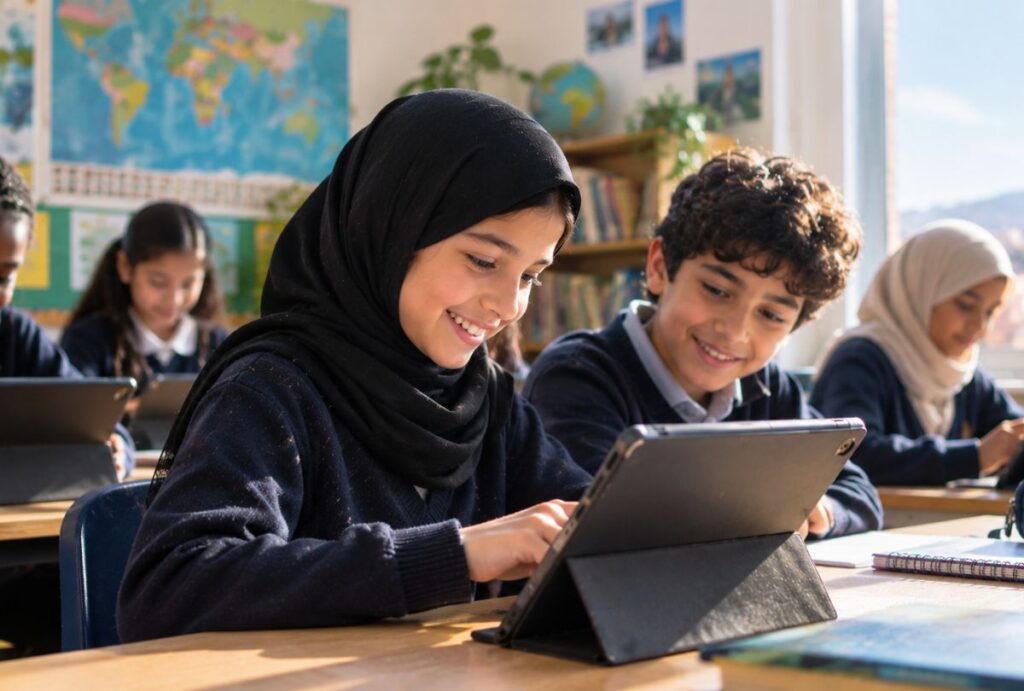
Bridging the Digital Divide Through Education
Discover how education and technology can help bridge the digital divide and create equal learning opportunities. Support children with the tools for…
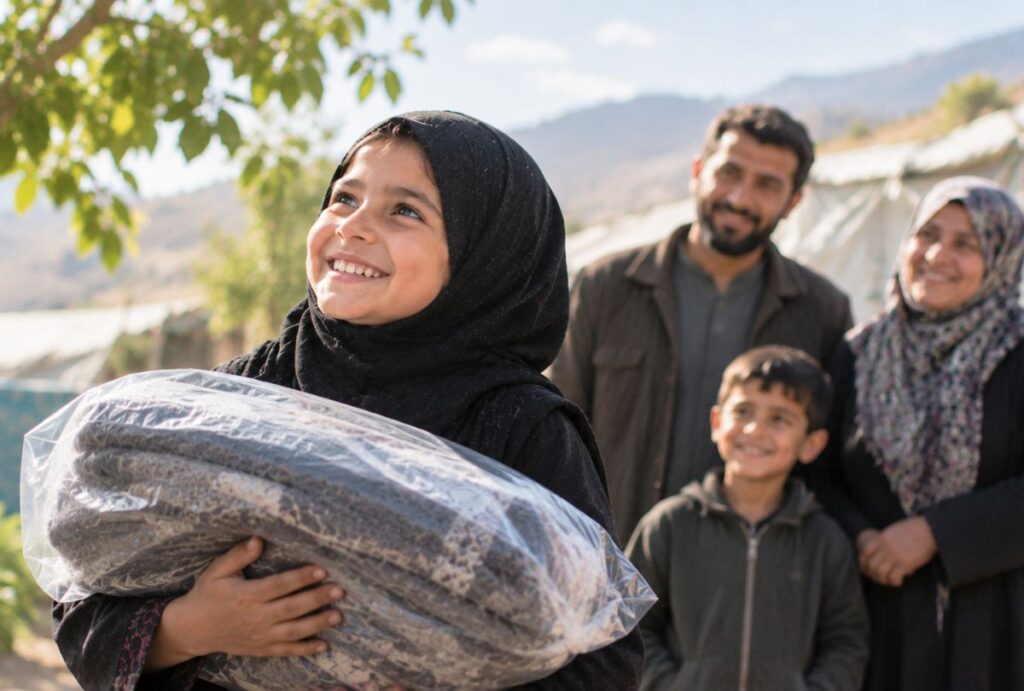
Can Sadaqah Be More Than Money?
Sadaqah isn't only about giving money. Discover how your time, kindness, knowledge and actions can become acts of charity in Islam with…
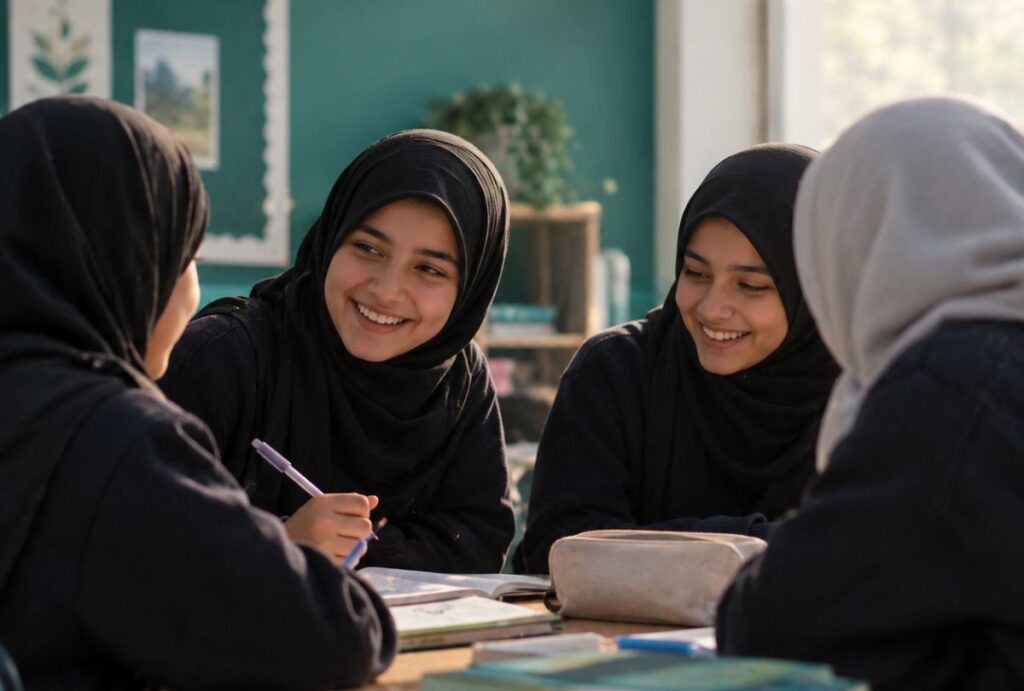
The Future Starts with Education
Invest in education and help vulnerable children build skills, confidence and opportunity. Support The Zahra Trust’s Back to School appeal today.