
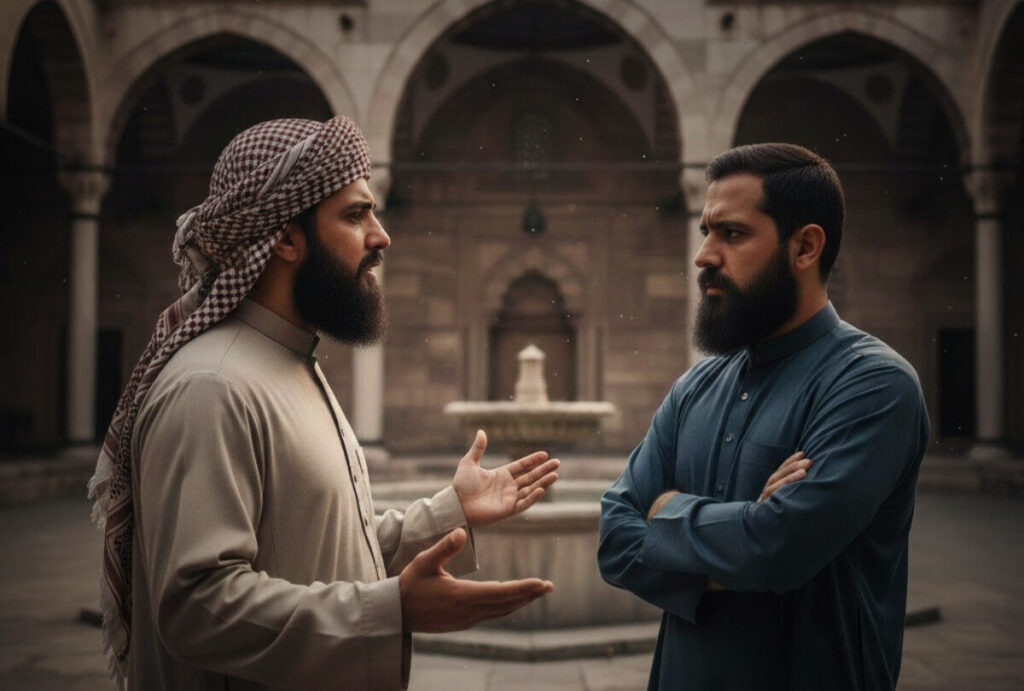
Eid comes and goes so quickly.
One moment, the days are full of Quran, dua, and packed masajid.
The next, life feels quieter.
The prayer spaces thin out, the Quran closes more often, routines break, and an unexpected heaviness settles in.
If you have felt spiritually flat after Eid, you are not alone.
Many believers experience this emotional and spiritual shift after Shahr Ramadan.
It can feel confusing, especially after a month that brought so much closeness to Allah (swt).
This post-Eid crash does not mean something went wrong. It means you are human.
When the Lights of Shahr Ramadan Feel Far Away
After Shahr Ramadan, daily life returns at full speed.
Work schedules resume, school deadlines pile up, family responsibilities demand attention, and spiritual structure fades into the background
In this space, spiritual burnout can quietly take hold. This is often when guilt creeps in.
Shaytan uses the contrast to whisper that your efforts did not last, that your worship was temporary, or that you failed to maintain what you built.
These thoughts can be paralysing and deeply discouraging.
But this emotional dip after Eid is not proof of failure.
It is simply the transition from a spiritually intense season to ordinary life.
Faith was never meant to live only in sacred months. It was meant to live with us every day, even when energy is low.
Do Not Quit After Eid, Choose Consistency Instead
Here is the reassurance you need early on.
Do not quit. Do not spiral. And do not attempt to recreate Shahr Ramadan in full.
The goal after Shahr Ramadan is not intensity. It is consistency.
The Ahlulbayt (as) taught us that Allah (swt) values small, steady deeds far more than dramatic bursts of worship that fade quickly.
Imam Sajjad (as) is reported to have said:
“The best of (good) deeds in the sight of Allah (swt) are those that are performed habitually, even if they be few in number.”
Al-Kafi, v.1
Life After Shahr Ramadan Is Meant to Be Sustainable
Shahr Ramadan trains us. It shows us what our hearts are capable of.
But it was never meant to be maintained at full intensity all year.
A believer who thrives after Shahr Ramadan is not the one who does everything, but the one who keeps returning.
A few minutes of Quran. A short prayer before bed. Quiet remembrance during the day.
These simple acts shape a steady, lifelong relationship with worship.
Allah (swt) reminds us of the ultimate goal when He says:
“Those who believe and do good deeds; they are the dwellers of the Garden, in it they shall abide.”
Surah Baqarah, Verse 82
Belief and good deeds are not defined by volume, but by sincerity and continuity.
Simple Ways to Stay Spiritually Grounded After Eid
If post-Shahr Ramadan motivation feels low, choose actions that feel realistic, not overwhelming.
For example:
- Reading Quran for a few minutes each day
- Praying two rak‘ahs of voluntary prayer consistently
- Making daily istighfar or sending salawat upon the Ahlulbayt (as)
- Giving weekly charity, even if the amount is small
The Zahra Trust often reminds supporters that long-term impact comes from steady commitment, not short bursts.
The same applies to personal worship.
Choose one or two actions and protect them. Let them become anchors in your routine.
You Are Not Alone in This Struggle
Every believer experiences spiritual highs and lows. This is part of faith, not a contradiction of it.
Across the global community, many hearts are quietly trying to find balance after Eid.
Growth does not happen in isolation.
It happens when we remind one another to keep going, even imperfectly.
Even slowly. Even quietly.
Faith is not lost in the low moments. It is strengthened by returning again and again.
FAQ
After Eid, the sudden loss of structure and routine can lead to emotional and spiritual fatigue. This feeling does not mean your worship during Shahr Ramadan was wasted. It reflects a natural transition back to everyday life.
Yes, spiritual burnout can happen when intense worship is followed by abrupt change. Islam encourages balance, rest, and sustainable devotion rather than constant intensity.
Post Shahr Ramadan motivation grows through consistency, not pressure. Choose small acts you can maintain and allow your connection with Allah (swt) to grow steadily over time.
You are not expected to. Shahr Ramadan is a training ground, not a permanent pace. Focus on what you can continue realistically without guilt.
Yes. The teachings of the Ahlulbayt (as) emphasise that Allah (swt) loves deeds done regularly, even if they are few. Consistency builds sincerity and endurance.
Start gently. Make dua, return to one small act of worship, and ask Allah (swt) for closeness. Spiritual recovery begins with intention, not perfection.
More from blog

Bridging the Digital Divide Through Education
Discover how education and technology can help bridge the digital divide and create equal learning opportunities. Support children with the tools for…
Can Sadaqah Be More Than Money?
Sadaqah isn't only about giving money. Discover how your time, kindness, knowledge and actions can become acts of charity in Islam with…
The Future Starts with Education
Invest in education and help vulnerable children build skills, confidence and opportunity. Support The Zahra Trust’s Back to School appeal today.