
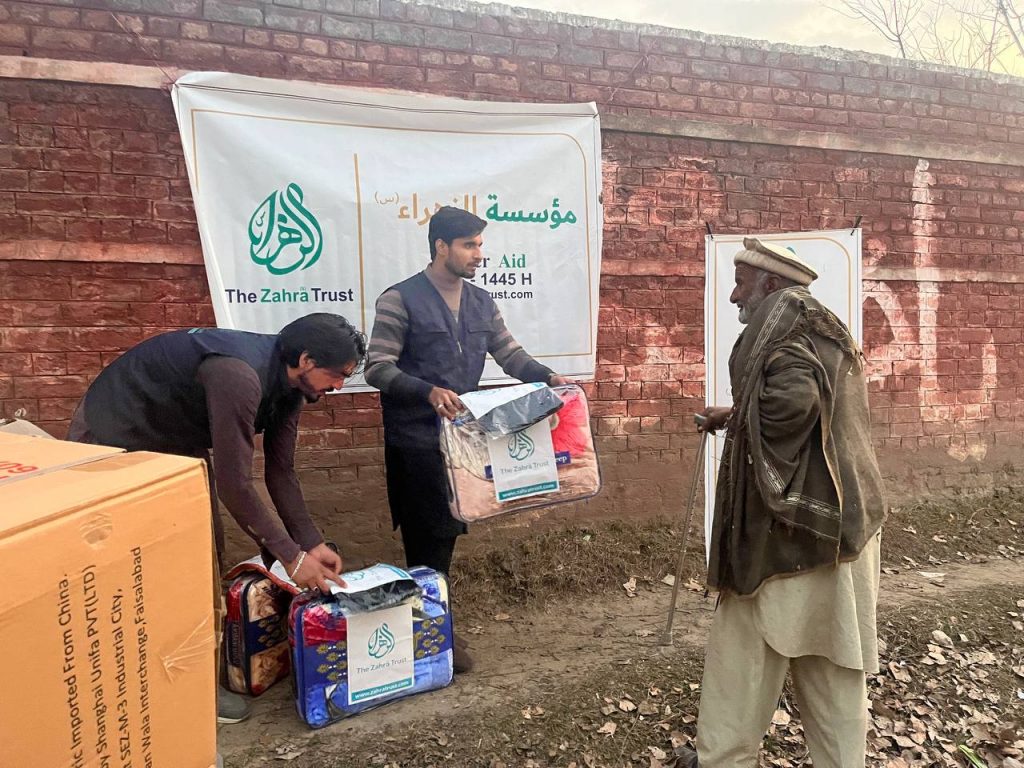
Ramadan is one of the holiest months of the year for Muslims – and is a time of renewing our faith, committing ourselves to become more generous and charitable, and remembering why we truly believe in Islam.
Part of our duties during Ramadan is staying aware of the different ways we can contribute to our community. In the spirit of faith, charity, and giving, here is everything you need to know about fidya.
What is Fidya?
Fidya is a form of compensation for those who could not fast due to valid reasons during the month of Ramadan, and have not been able to make up the missed days by the next Ramadan.
These can be short-term reasons, like an illness, or long-term reasons, like old age.
If a fast is missed for a short-term reason – like an infection or fever – the qadha fast still needs to be made up. If the qadha fast is made up before the next Ramadan, fidya does not need to be paid. However, if the qadha fast is not made up within a year, then fidya is required for each missed fast.
Depending on the long-term reason, missed fasts do not have to be made up but fidya would need to be paid. For example, if someone is of old age and finds it very difficult to fast, they will need to pay fidya, but not make up missed fasts. However, a woman who missed fasts during her pregnancy will need to pay fidya and make up the missed fasts.
How Much is Fidya?
Fidya is 750 grams of rice, flour, or any staple good per day of missed fasts. This is currently set at £1 per day of missed fast.
This amount is given to a poor person in need – giving back to our community of those most vulnerable during one of the holiest months of the year.
To learn more about how to offer fidya, click here!
More from blog
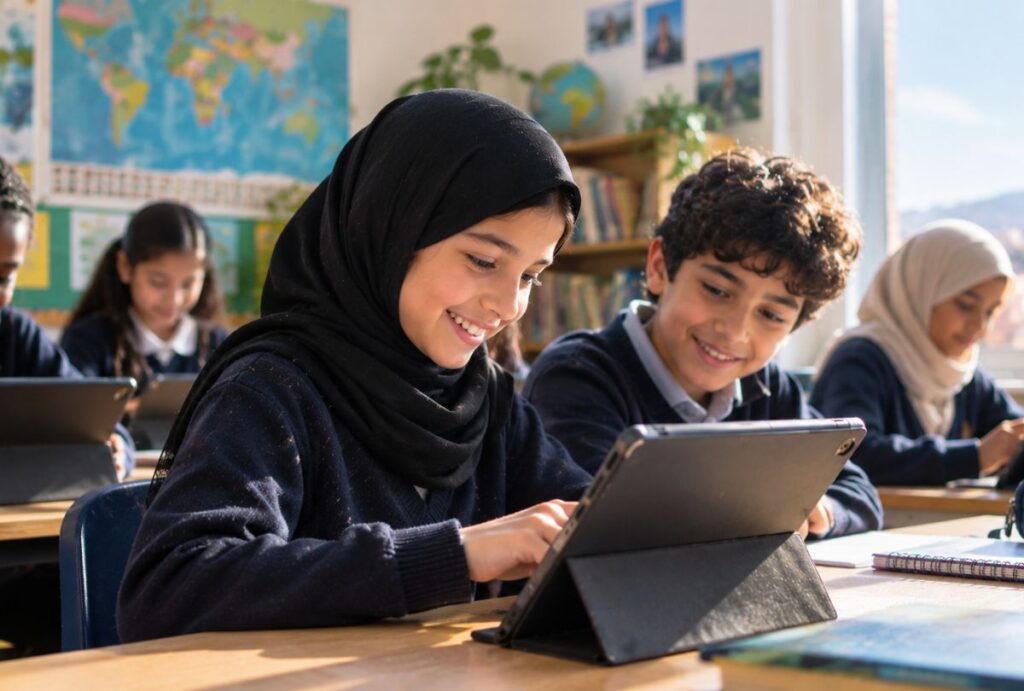
Bridging the Digital Divide Through Education
Discover how education and technology can help bridge the digital divide and create equal learning opportunities. Support children with the tools for…
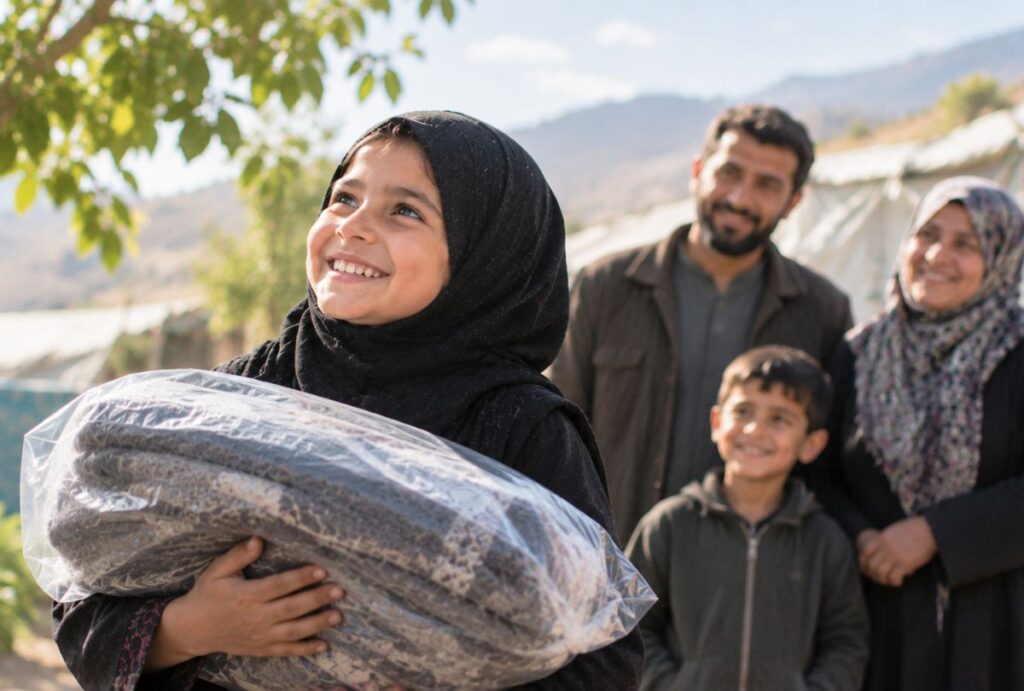
Can Sadaqah Be More Than Money?
Sadaqah isn't only about giving money. Discover how your time, kindness, knowledge and actions can become acts of charity in Islam with…
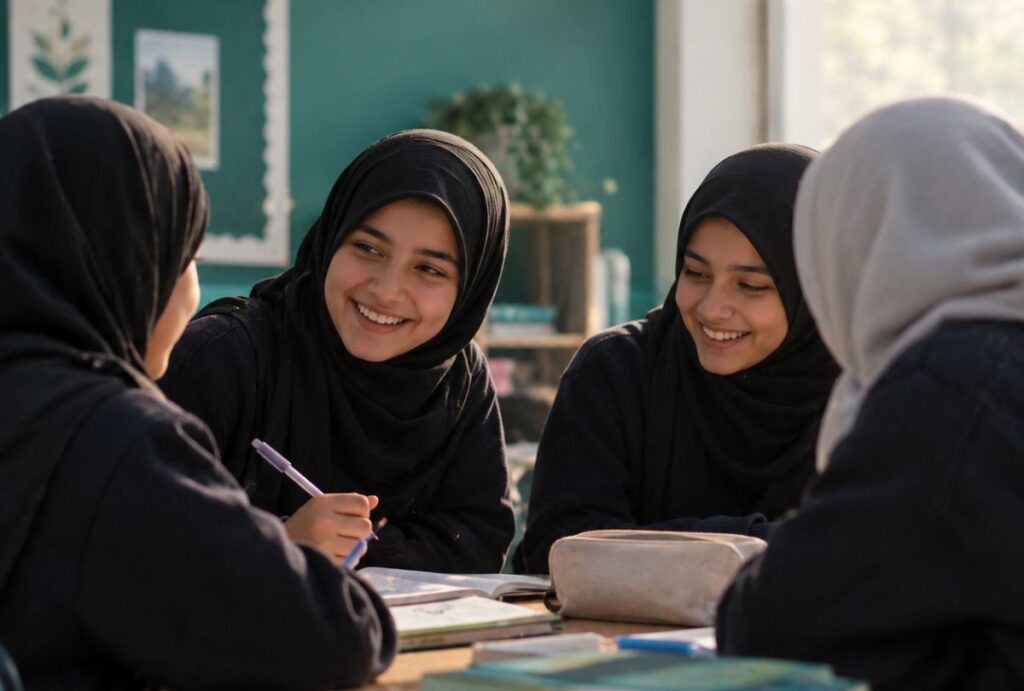
The Future Starts with Education
Invest in education and help vulnerable children build skills, confidence and opportunity. Support The Zahra Trust’s Back to School appeal today.