
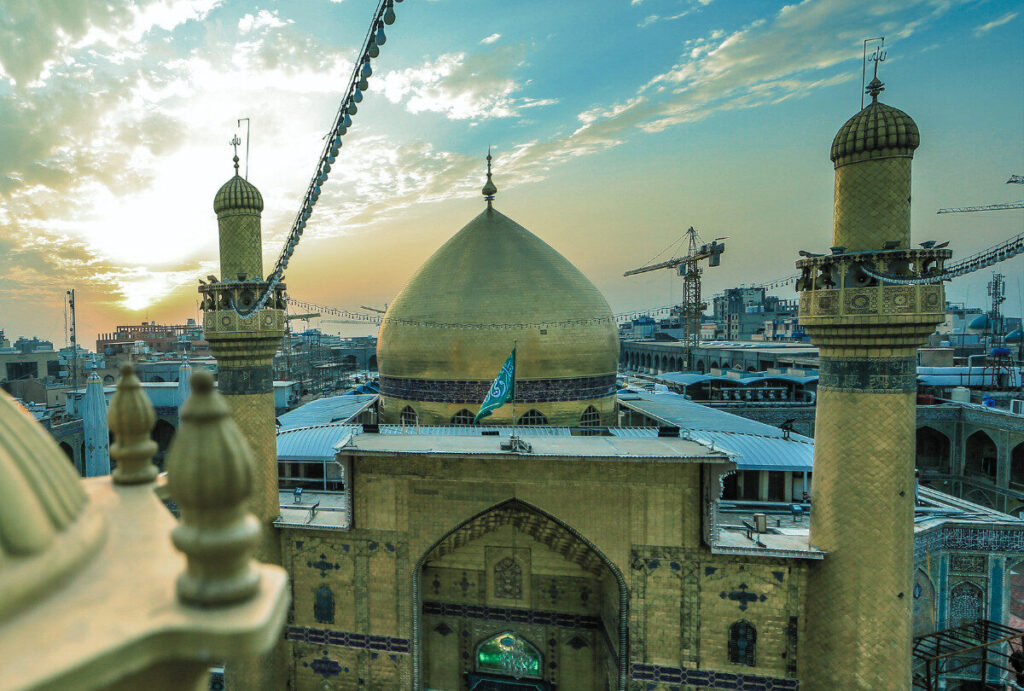
Ramadan slows us down. It makes us notice what we usually rush past – our words, our spending, our silence.
Imam Ali (as) taught that justice is not only found in courts or leadership. It lives in everyday decisions, especially when no one is watching.
Justice beyond the minbar
Imam Ali (as) ruled with authority, yet lived with restraint. He patched his own clothes, ate simply, and refused to benefit personally from public wealth.
For him, justice began at home – in how money was earned, how speech was measured, and how others were treated.
He warned that injustice does not always roar. Sometimes, it whispers through unfair advantage, careless words, or wealth kept while others go without.
Money as a moral test
To spend only on ourselves while others struggle is not neutrality – it is a choice.
The Qur’an reminds us:
“Indeed, Allah commands justice, excellence, and giving to relatives.”
Surah An-Nahl, Verse 90
Food aid, clean water, and medical care are not acts of generosity alone.
They are acts of justice – restoring balance where inequality threatens stability.
Speech, silence, and fairness
Imam Ali (as) taught that words can wound as deeply as weapons.
Justice means speaking truth without cruelty and staying silent when speech would cause harm.
It also means fairness in family, work, and community – refusing bias even when it benefits us.
Ramadan in practice
This Ramadan, justice looks like choosing restraint over excess, truth over convenience, and giving over hoarding.
FAQ
That justice is lived daily through choices, not only declared in law.
Wealth is a trust and withholding it while others suffer is injustice.
Fasting sharpens awareness of inequality and responsibility.
By restoring balance and preventing social collapse.
Through fair spending, careful speech, and supporting those in need.
More from blog

Bridging the Digital Divide Through Education
Discover how education and technology can help bridge the digital divide and create equal learning opportunities. Support children with the tools for…
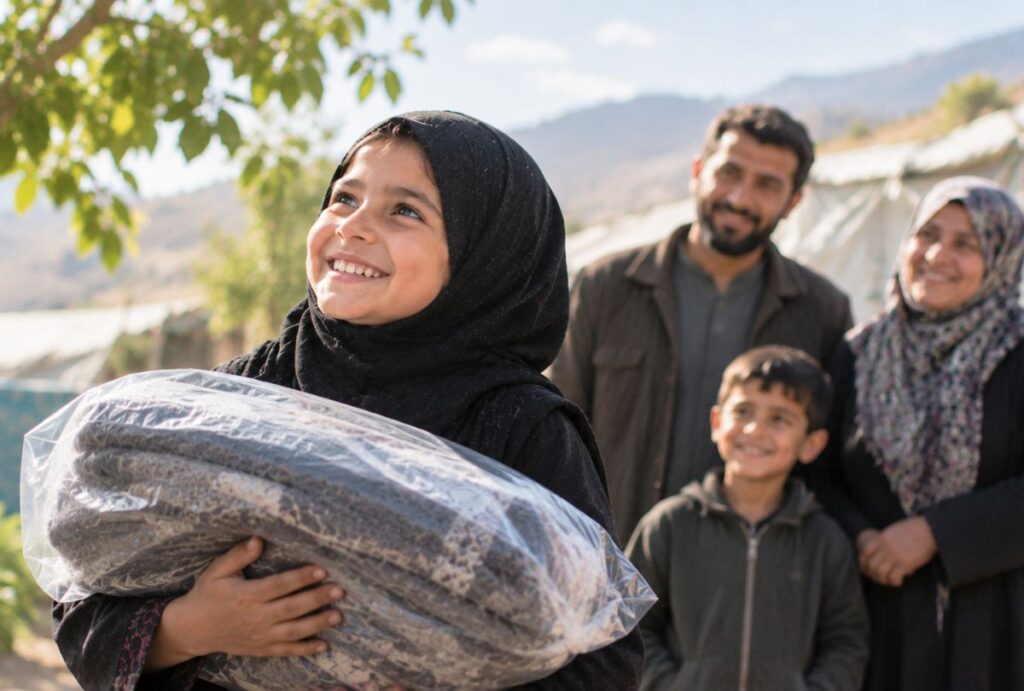
Can Sadaqah Be More Than Money?
Sadaqah isn't only about giving money. Discover how your time, kindness, knowledge and actions can become acts of charity in Islam with…
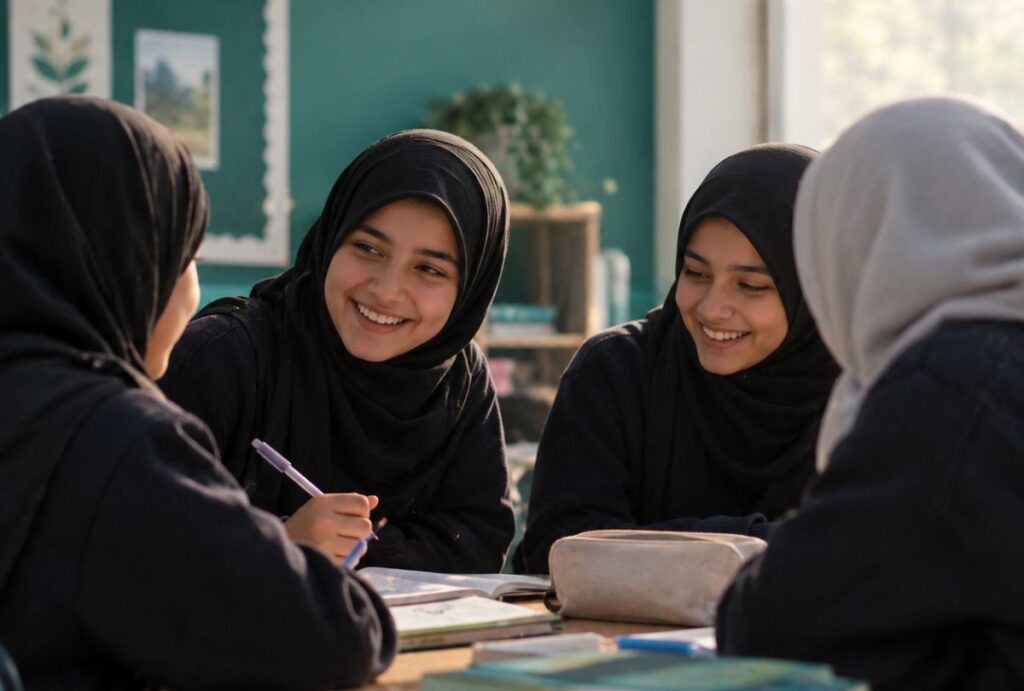
The Future Starts with Education
Invest in education and help vulnerable children build skills, confidence and opportunity. Support The Zahra Trust’s Back to School appeal today.