
From Shahr Ramadan to the rest of the year: a realistic spiritual plan that lasts
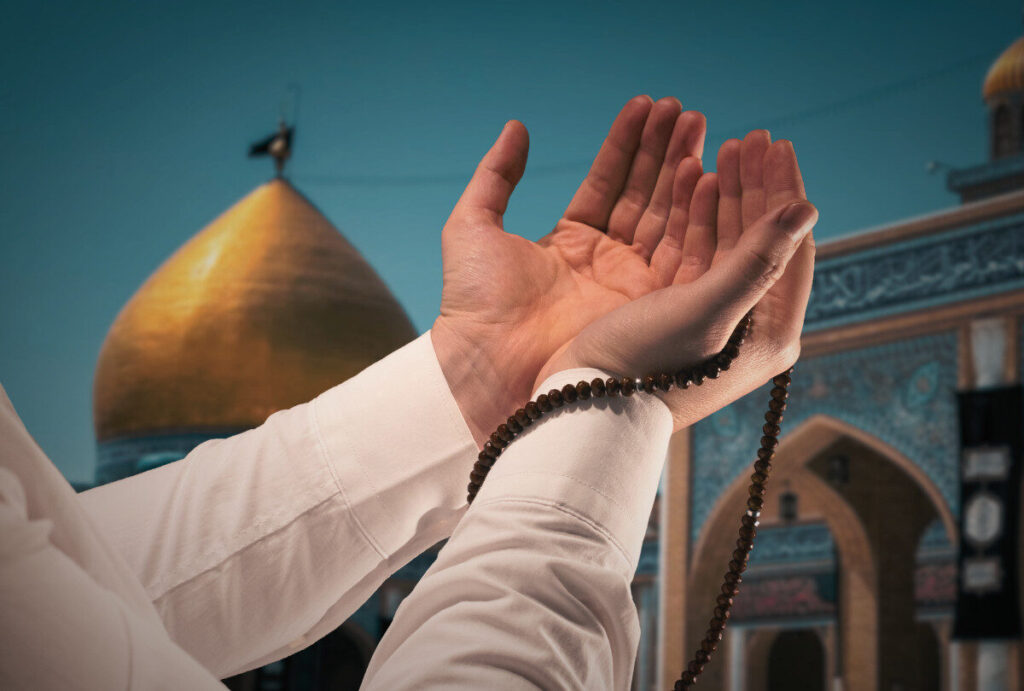
As Shahr Ramadan comes to an end, many of us feel a quiet fear beneath the gratitude.
During this sacred month, our hearts feel closer to Allah (swt).
Worship feels lighter. Dua flows more easily.
There is structure, intention, and purpose in our days.
Then life resumes.
Work schedules return to normal, responsibilities pile up, and that sense of spiritual closeness begins to feel harder to reach.
We want to hold on to what Shahr Ramadan gave us, but we are not always sure how to carry it forward in a realistic way.
This feeling is familiar across the global community.
The desire is sincere, but the path forward can feel unclear.
When motivation fades after Shahr Ramadan
Many people leave Shahr Ramadan with ambitious intentions.
Daily Quran, night prayers, constant charity, perfect focus.
While these goals are rooted in love for Allah (swt), they can quickly become overwhelming when stacked on top of everyday life.
When the pace of Shahr Ramadan disappears, motivation often fades.
Missed days lead to guilt. Guilt leads to discouragement.
Gradually, people begin to feel as though they have failed spiritually, when in reality, the expectations were never sustainable.
Islam does not ask us to burn out.
It teaches balance, intention, and continuity.
Spiritual growth is not meant to peak for one month and collapse for eleven.
A gentle reminder about purpose
Allah (swt) reminds us clearly in the Quran:
“What! did you think that We had created you in vain and that you will not be returned to Us?!”
Surah Mu’minun, Verse 115
Our worship is not meant to be temporary or seasonal. It is woven into the purpose of our existence.
Shahr Ramadan is not an isolated spiritual event. It is a training ground that prepares us for steady devotion throughout the year.
Let Shahr Ramadan shape the whole year
The goal of Shahr Ramadan is not perfection for one month. It is consistency for a lifetime.
The Prophet (saw) and the Ahlulbayt (as) taught that deeds beloved to Allah (swt) are those done regularly, even if they are small.
This principle removes pressure and replaces it with hope.
Imam al-Sadiq (as) is reported to have said:
“Exert yourselves (in doing good deeds) for verily in this month (of Ramadan) sustenance is apportioned, life spans are destined, the names of Allah’s (swt) select servants who wish to strive towards Him are recorded down, and in this month is a night wherein the good deeds performed equal the deeds of a thousand months.”
Bihar al-Anwar, v.96
The effort we make in Shahr Ramadan matters deeply, but its true value is seen when it inspires steady action beyond the month itself.
Building a realistic spiritual plan after Shahr Ramadan
A sustainable spiritual plan is simple, flexible, and grounded in honesty.
It is not built on extremes, but on practices that can realistically fit into daily life.
Start by choosing a small number of actions that nourish your faith without overwhelming you.
This might include:
- One daily prayer with extra focus
- A few verses of Quran each day
- Regular charity, even if small
- Weekly reflection or dua time
Consistency matters more than intensity.
A realistic plan allows your relationship with Allah (swt) to deepen gradually, without pressure or burnout.
Why tracking habits helps with consistency
One of the biggest challenges after Shahr Ramadan is staying aware of our spiritual habits once structure fades.
This is where a habit tracker becomes a powerful support tool.
Using a habit tracker helps you:
- Stay mindful of your intentions
- See progress over time
- Build accountability without guilt
- Focus on consistency rather than volume
Tracking small, regular acts of worship turns intention into action.
It helps you remain connected to the spirit of Shahr Ramadan while living fully within the realities of daily life.
Looking ahead with purpose and balance
Imagine a year where worship feels steady rather than rushed.
Where faith grows quietly, sincerely, and without comparison.
A gentle plan allows space for growth while respecting your responsibilities, energy, and circumstances.
This approach nurtures sincerity. It strengthens connection.
It creates space for worship that feels meaningful rather than forced.
A shared commitment to long-term change
At The Zahra Trust, long-term impact matters.
Just as sustainable spiritual growth requires consistency, meaningful change in the world comes from thoughtful, ongoing commitment rather than short-term relief.
Supporting steady worship mirrors the values of building lasting benefit, nurturing dignity, and creating change that endures.
Start small, stay consistent
Choose a few manageable practices. Write them down.
Track them daily or weekly using the habit tracker.
Let your focus be regularity, not perfection.
Faith is not measured by how much we do at once, but by how sincerely we return to Allah (swt) again and again.
Carry Shahr Ramadan forward
Shahr Ramadan does not end. It continues through the intentions we keep and the habits we protect.
Create a realistic spiritual plan. Track it with care.
Allow faith to grow naturally throughout the year, rooted in consistency, balance, and purpose.
FAQ
Start by simplifying your goals. Choose a few practices that fit realistically into your daily routine and focus on doing them consistently rather than perfectly.
Yes. Shahr Ramadan provides structure and spiritual momentum. When it ends, motivation often dips, which is natural. A gentle plan helps bridge that gap.
Missing days does not mean failure. Return without guilt. Consistency is built through returning, not through never slipping.
Two to four habits are often enough. Fewer habits done regularly are more effective than many done inconsistently.
Islam values deeds that last. Regular actions reflect sincerity and allow faith to grow steadily over time.
A habit tracker provides gentle accountability, helps visualise progress, and encourages steady engagement with worship without pressure.
More from blog

Bridging the Digital Divide Through Education
Discover how education and technology can help bridge the digital divide and create equal learning opportunities. Support children with the tools for…
Can Sadaqah Be More Than Money?
Sadaqah isn't only about giving money. Discover how your time, kindness, knowledge and actions can become acts of charity in Islam with…
The Future Starts with Education
Invest in education and help vulnerable children build skills, confidence and opportunity. Support The Zahra Trust’s Back to School appeal today.