
From Remembrance to Restoration: Honouring Imam Hussain (as) Through Action This Muharram | The Zahra Trust
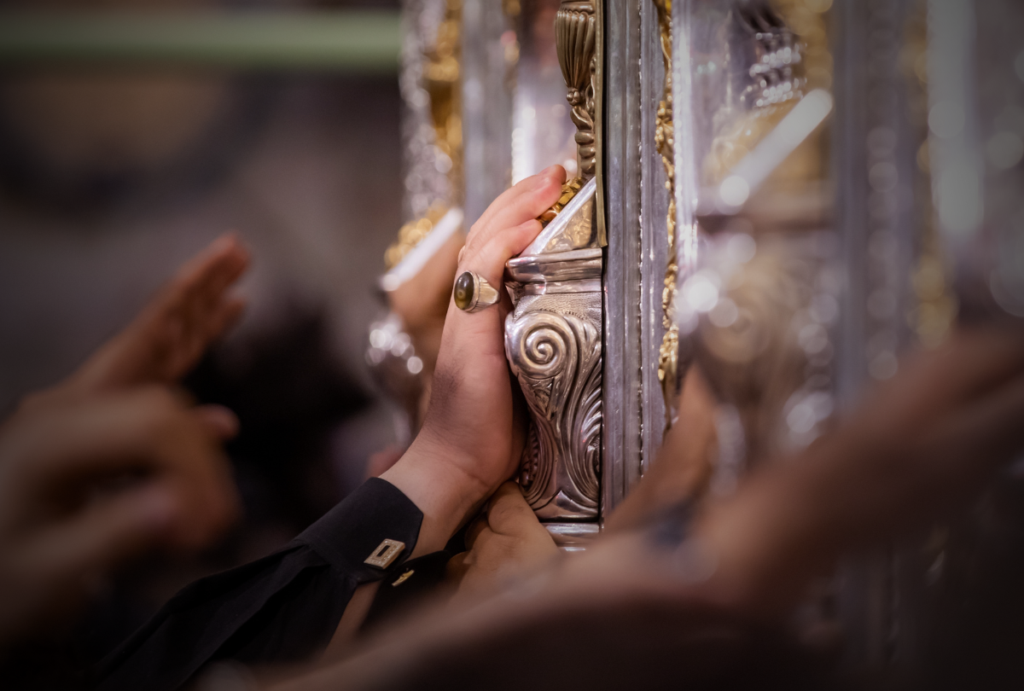
Every Muharram, our hearts return to Karbala.
We gather in majalis, recite elegies, shed tears for Aba Abdillah Imam Hussain (as), and remember the sacrifice that changed the course of history. Yet Karbala was never intended to be remembered only through words. The legacy of Imam Hussain (as) calls believers towards action.
The tragedy of Karbala teaches us that faith must be lived, justice must be defended, and compassion must be extended to those who need it most.
For Muslims today, remembrance is the beginning of a responsibility. The question is not simply how we remember Karbala, but how we carry its message forward.
The Eternal Message of Karbala
More than thirteen centuries have passed since Imam Hussain (as) stood on the plains of Karbala against oppression and injustice.
His sacrifice was not for power, wealth, or worldly gain. It was a stand for truth, dignity, and the preservation of Islam itself.
Allah (swt) says in the Holy Quran:
The stand of Imam Hussain (as) remains one of the greatest manifestations of these divine principles. Through his sacrifice, believers continue to learn what it means to uphold justice regardless of the cost.
Every year, Muharram gives us an opportunity to renew our connection to these values and reflect upon how they should shape our lives.
Remembrance Must Lead to Action
The tears shed for Imam Hussain (as) hold immense spiritual value. The gatherings held in his remembrance connect believers to the Ahlulbayt (as) and strengthen faith.
Yet the message of Karbala extends beyond remembrance alone.
Imam Hussain (as) stood for the vulnerable, defended the oppressed, and refused to remain silent in the face of injustice. To truly honour his legacy, believers must strive to embody those same principles.
This is why charitable giving occupies such a central place during Muharram. When we support those facing hardship, we transform remembrance into meaningful action.
The values we commemorate become values we practise.
Restoring Hope in a World Facing Hardship
Across the world, millions of people continue to face poverty, displacement, conflict, and economic uncertainty.
Many families struggle to secure basic necessities such as food, healthcare, education, and safe shelter. Others face the long-term consequences of conflict and instability that have disrupted entire communities.
In these circumstances, even a single act of generosity can make a profound difference.
A meal can ease hunger.
A livelihood programme can restore independence.
Educational support can open doors for future generations.
Healthcare assistance can preserve dignity and wellbeing.
For those receiving support, these interventions are not simply forms of aid. They are reminders that someone cares, someone remembers them, and someone is willing to stand beside them during difficult times.
This is how hope is restored.
Building Stronger Communities
The teachings of the Ahlulbayt (as) encourage believers not only to relieve immediate hardship but also to help build stronger communities.
When we support education, we invest in future leaders.
When we strengthen livelihoods, we empower families to achieve long-term stability.
When we preserve religious and community spaces, we help maintain faith, identity, and belonging.
When we provide humanitarian assistance, we strengthen resilience among vulnerable populations.
These efforts create lasting change that extends far beyond a single donation.
Just as the message of Karbala continues to inspire generation after generation, acts of charity can create a ripple effect that benefits communities for years to come.
The Connection Between Muharram and Giving
For many Shia Muslims, Muharram is a time of deep reflection and renewed commitment to serving humanity.
The values demonstrated by Imam Hussain (as) on the Day of Ashura continue to inspire acts of generosity around the world. Believers give Sadaqah, support humanitarian projects, and contribute towards programmes that help vulnerable families rebuild their lives.
These acts of giving become an extension of our remembrance.
They allow us to honour Karbala not only through mourning but through service.
In doing so, we answer the call of Imam Hussain (as) in a way that transforms both the giver and the recipient.
From Remembrance to Restoration
The story of Karbala is not confined to history.
Its lessons remain alive wherever justice is pursued, wherever compassion is shown, and wherever communities come together to support those in need.
Every act of charity inspired by Imam Hussain (as) carries a portion of his message forward. Every family supported, every child educated, and every community strengthened becomes part of a legacy that began in Karbala.
This Muharram, let remembrance become restoration.
Let the tears shed for Imam Hussain (as) inspire acts of compassion.
Let the lessons of Karbala shape the way we serve others.
And let the legacy of Aba Abdillah (as) continue to bring hope to those who need it most.
Carry Karbala Forward With The Zahra Trust
At The Zahra Trust, we believe that the message of Karbala lives on through service to humanity.
This Muharram, your donation can help provide food, education, livelihoods, healthcare, and essential support to vulnerable communities around the world.
Honour Imam Hussain (as) through action.
Transform remembrance into restoration.
Carry Karbala forward through your giving.
FAQs
What does “From Remembrance to Restoration” mean?
From Remembrance to Restoration reflects the idea that remembering Imam Hussain (as) should inspire positive action. Through charity, service, and support for vulnerable communities, believers can honour the message of Karbala in practical ways.
Why is charity important during Muharram?
Muharram is a time when many Muslims reflect on the sacrifice of Imam Hussain (as) and the values he stood for. Charitable giving allows believers to put those values into action by supporting people facing hardship and injustice.
How does the legacy of Karbala relate to helping others?
The stand of Imam Hussain (as) was rooted in justice, compassion, and defending human dignity. Supporting vulnerable people through charitable giving reflects these same principles and helps carry the message of Karbala forward.
What types of projects does The Zahra Trust support?
The Zahra Trust supports a range of humanitarian and development projects, including food assistance, education, healthcare, livelihood programmes, orphan support, and community development initiatives.
Can I give Sadaqah during Muharram?
Yes. Many believers choose to give Sadaqah during Muharram as a way of honouring Imam Hussain (as) and seeking blessings through charitable acts.
How can my Muharram donation make a difference?
Your donation can help provide essential support to vulnerable families, improve access to education and healthcare, strengthen livelihoods, and contribute to long-term community development.
Why is community restoration important in Islam?
Islam emphasises helping those in need and strengthening society as a whole. Supporting communities through sustainable projects promotes dignity, resilience, and social wellbeing while fulfilling important Islamic values.
How can I honour Imam Hussain (as) through action?
You can honour Imam Hussain (as) by supporting charitable causes, helping vulnerable people, standing for justice, serving your community, and embodying the values demonstrated by the Ahlulbayt (as).
More from blog
Bridging the Digital Divide Through Education
Discover how education and technology can help bridge the digital divide and create equal learning opportunities. Support children with the tools for…
Can Sadaqah Be More Than Money?
Sadaqah isn't only about giving money. Discover how your time, kindness, knowledge and actions can become acts of charity in Islam with…
The Future Starts with Education
Invest in education and help vulnerable children build skills, confidence and opportunity. Support The Zahra Trust’s Back to School appeal today.