
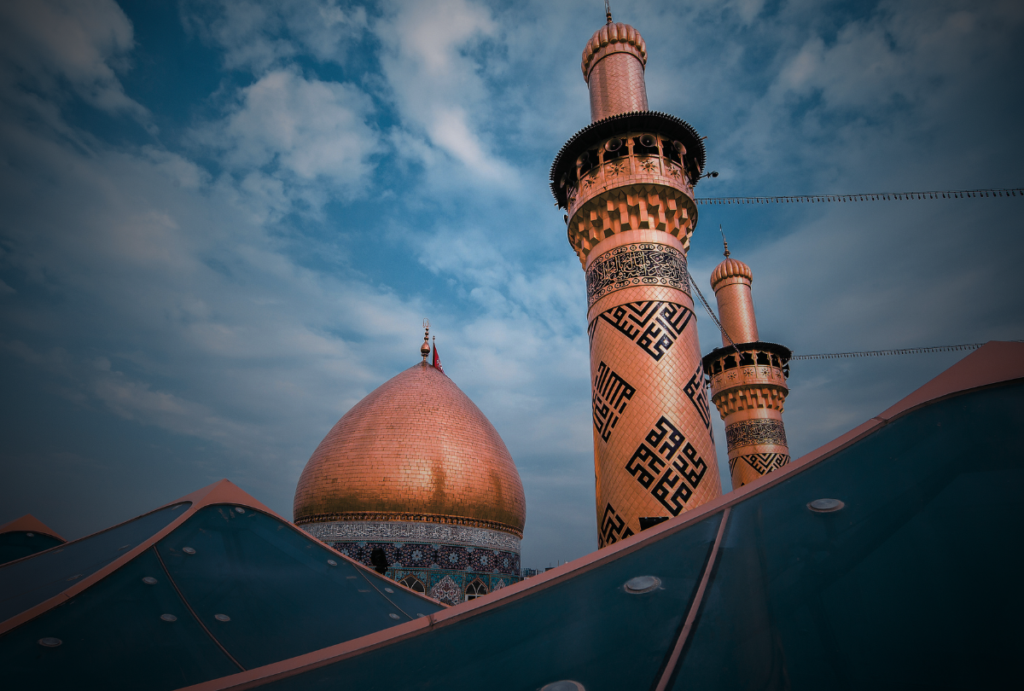
Throughout Islamic history, mosques have never been just buildings of worship. They have been centres of guidance, unity, knowledge, and refuge — shaping the spiritual and social life of the Ummah across centuries.
From the earliest days of Islam to moments of great trial, these sacred spaces have carried the heartbeat of the Muslim community.
Allah (swt) says in the Quran:
“The mosques of Allah are only to be maintained by those who believe in Allah and the Last Day…” (9:18)
These mosques are living testimonies to faith in action.
Mosques That Shaped the Ummah
Mosques throughout Islamic history have served as places where communities gathered not only for prayer, but for learning, justice, consultation, and support.
They have been spaces of refuge in hardship and unity in times of division — continuing to inspire believers today.
Al-Masjid al-Haram: The Heart of Worship
Located in Mecca, Al-Masjid al-Haram surrounds the Holy Kaaba and is the most sacred mosque in Islam.
Every year, millions of Muslims travel here for Hajj and Umrah, circling the Kaaba in unity, regardless of nationality, wealth, or status.
It is a powerful reminder that all believers stand equal before Allah (swt).
Al-Masjid an-Nabawi: A Centre of Mercy and Learning
Built by the Prophet Muhammad (saww) in Medina, Al-Masjid an-Nabawi became the foundation of the early Muslim community.
It was not only a place of prayer, but also a centre of learning, consultation, and care for those in need.
It teaches us that mosques should nurture both faith and compassion.
Masjid al-Aqsa: A Symbol of Faith and Resilience
Masjid al-Aqsa in Jerusalem holds deep spiritual significance in Islam and is one of the earliest qiblahs of the Muslims.
It has long been a place of worship, reflection, and endurance through generations of hardship.
For believers, it remains a powerful symbol of patience, identity, and connection to prophetic history.
The Great Mosque of Kufa: A Centre of Justice
Great Mosque of Kufa is closely associated with Imam Ali (as), who delivered sermons and guided the Muslim community from this sacred space.
It became a centre of justice, knowledge, and leadership in early Islamic history.
Its legacy continues to remind Muslims of the importance of truth and moral responsibility.
Sayyida Zainab Mosque: A Voice of Karbala
Sayyida Zainab Mosque honours the granddaughter of Prophet Muhammad (saww), Sayyida Zainab (sa), whose courage after Karbala preserved the message of Ashura.
For Shia Muslims, it remains a powerful place of remembrance, resilience, and devotion to the Ahlulbayt (as).
It stands as a reminder that faith continues even after tragedy.
Lessons for Believers Today
These mosques show that sacred spaces are not only built from stone, but from purpose, unity, and service to humanity.
They remind believers that Islam is lived through community — through prayer, learning, and supporting one another in times of need.
A Legacy of Refuge and Unity
Across Islamic history, mosques have served as places of safety and dignity. Whether in times of peace or hardship, they have brought people together under the mercy of Allah (swt).
That legacy continues today in how we support and care for vulnerable communities around the world.
Carrying This Legacy Forward
At The Zahra Trust, we continue the spirit of the mosque by serving those in need with compassion, dignity, and care.
Just as mosques have always been places of refuge, we strive to bring hope to displaced families, orphans, and those facing hardship today.
Remembering the Importance of Refuge
On World Refugee Day, we are reminded that places of worship have always been safe havens for those seeking protection and peace.
Supporting vulnerable families today reflects the same spirit of mercy that has always defined Islamic history.
Through your Sadaqah and Zakat, you can help continue this legacy of care with The Zahra Trust UK.
Frequently Asked Questions
What are the most important mosques in Islamic history?
Some of the most important mosques include Al-Masjid al-Haram, Al-Masjid an-Nabawi, Masjid al-Aqsa, the Great Mosque of Kufa, and Sayyida Zainab Mosque.
Why are mosques important in Islam?
Mosques are centres of worship, learning, unity, and community support, playing a vital role in Muslim life throughout history.
What is the significance of Masjid al-Aqsa?
Masjid al-Aqsa is one of the holiest sites in Islam and holds deep spiritual and historical importance as the first qiblah of Muslims.
What does the Great Mosque of Kufa represent?
It represents justice, leadership, and knowledge, being closely linked to Imam Ali (as).
How does The Zahra Trust support this legacy?
The Zahra Trust supports vulnerable communities worldwide, continuing the Islamic tradition of mosques as places of refuge and care.
More from blog
Bridging the Digital Divide Through Education
Discover how education and technology can help bridge the digital divide and create equal learning opportunities. Support children with the tools for…
Can Sadaqah Be More Than Money?
Sadaqah isn't only about giving money. Discover how your time, kindness, knowledge and actions can become acts of charity in Islam with…
The Future Starts with Education
Invest in education and help vulnerable children build skills, confidence and opportunity. Support The Zahra Trust’s Back to School appeal today.