
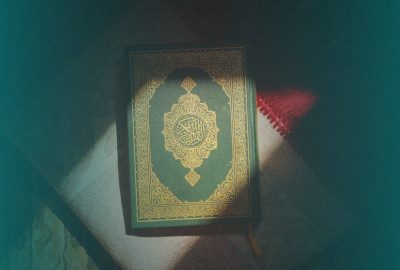
Charity: At the Heart of Islam and the UK Muslim Community
Charity is not just a good deed in Islam, it is a spiritual duty and a lifeline for others.
For Muslims in the UK, this responsibility is especially meaningful.
Despite being a minority, British Muslims are consistently recognised as one of the most generous faith groups.
A study by the Charities Aid Foundation (CAF) found that Muslims give more to charity than any other faith group in Britain, with an estimated £150 million donated during Ramadan 2021 alone – around £38 every second.
This generosity is not limited to overseas causes.
Across the UK, Muslim donations support food banks, homeless shelters, mental health initiatives, and community centres, proving that charity is both global and local.
The Quran offers timeless reminders of why charity matters. Below are five verses that inspire us to keep giving, both here in Britain and beyond.
1. Spend by Day and by Night
“Those who spend their wealth by night and by day, secretly and openly, for them is their reward with their Lord, and they shall have no fear, nor shall they grieve.” (Quran 2:274)
This verse teaches us that it doesn’t matter if we give publicly or privately – Allah (swt) values both.
In the UK, some Muslims prefer to give quietly through direct debits to charities, while others participate in public fundraisers at mosques during Ramadan or Jummah.
Both are powerful and accepted ways of giving.
Practical Example: Donating to a food bank through an online platform or discreetly paying for a neighbour’s groceries are both acts of worship that earn reward.
2. Spend From What You Love
“You shall never attain the (perfect standard) of righteousness until you spend (in charity) from (the wealth) that you love; and whatever you spend, Allāh surely knows it.” (Quran 3:92)
This verse highlights the sacrifice behind giving. Real righteousness is shown when we give not from our leftovers, but from what we value.
For British Muslims, this could mean:
- A student in Manchester donating part of their part-time wages.
- A family in London choosing to give up luxuries to sponsor an orphan.
- A retiree in Birmingham leaving a portion of their estate for charity in their will (wasiyyah).
Practical Example: Many Muslim families set aside a portion of their monthly household budget for sadaqa, right alongside rent, utilities, and food – showing that giving is a priority, not an afterthought.
3. A Noble Reward for Goodness
“Verily the charitable men and the charitable women are those who have lent a goodly loan to Allāh so that it may be doubled for them and they shall have a noble reward.” (Quran 57:18)
Here, Allah (swt) describes charity as a loan to Him, one that will be multiplied in return.
This is an important reminder for Muslims in the UK: nothing given in charity is ever lost.
In fact, it comes back in blessings we may not even see immediately.
Practical Example: Donating through Gift Aid allows UK taxpayers to increase the value of their donation by 25% at no extra cost. That means a £100 donation becomes £125 – multiplying reward in both dunya and akhirah.
4. Goodness for Goodness
“Is the reward of goodness anything but goodness?” (Quran 55:60)
Every act of charity is echoed back with goodness, whether through personal blessings, stronger communities, or eternal reward.
In the world today, where poverty is affecting millions, Muslim charities play a vital role in supporting families struggling with food, water, housing, and more.
Every small act of kindness contributes to the bigger picture of global community care.
Practical Example: A Muslim donating just £5 a week to a food programme in Iraq might be feeding an entire family, a small act that brings immeasurable goodness in return.
5. Allah (swt) Multiplies Reward
“The parable of those who spend their wealth in the way of Allāh is as the parable of a grain growing seven ears, in every ear, there are a hundred grains; and Allāh multiplies for whom He pleases; Allāh is Ample-giving, All-knowing.” (Quran 2:261)
This verse assures us that giving is never wasted, it multiplies like a seed.
In the UK, even the smallest donations can have a powerful ripple effect.
From funding school meals to supporting emergency shelters, a single act of charity can touch many lives.
Practical Example: A £10 sadaqa donation to a food programme could feed tens of people in need, with Allah (swt) multiplying the reward far beyond what we can imagine.
Give in the Name of Allah (swt)
At The Zahra Trust, these Quranic verses guide everything we do.
We provide education, healthcare, emergency, and sustainable aid to vulnerable families and communities in Iraq, Lebanon and Afghanistan.
Your donations, whether zakat, sadaqah, or khums, are not just transactions. They are acts of worship, investments in the akhirah, and lifelines for those in need.
By giving through trusted UK-registered charities, like The Zahra Trust, and adding Gift Aid, your impact transforms lives abroad and goes even further in the eyes of Allah (swt) than we can ever imagine.
FAQ
The Quran repeatedly stresses that charity purifies wealth, strengthens communities, and earns Allah’s (swt) blessings. Whether given privately or publicly, every act of generosity is counted.
Charity is a pillar of Islam. It reduces inequality, supports the vulnerable, and strengthens the ummah. Spiritually, it draws us closer to Allah (swt) and secures blessings in both this life and the Hereafter.
Here are five Quranic verses that highlight the beauty of charity:
- Quran 2:274 – Encourages giving by day and night, publicly and privately.
- Quran 3:92 – Urges believers to give from what they love.
- Quran 57:18 – Describes charity as a loan to Allah that will be multiplied.
- Quran 55:60 – Reminds us that goodness is repaid with goodness.
- Quran 2:261 – Compares charity to a seed that grows into many folds of reward.
Yes. The Quran encourages both public and private giving. In Quran 2:274, Allah (swt) praises those who give “by night and by day, secretly and openly,” showing that both forms are valid and rewarding.
The Zahra Trust works in some of the world’s most vulnerable regions to deliver aid, education, healthcare, and long-term support. Donations go directly to supporting orphans, widows, refugees, and those in crisis, in accordance with Islamic principles of charity.
More from blog
Bridging the Digital Divide Through Education
Discover how education and technology can help bridge the digital divide and create equal learning opportunities. Support children with the tools for…
Can Sadaqah Be More Than Money?
Sadaqah isn't only about giving money. Discover how your time, kindness, knowledge and actions can become acts of charity in Islam with…
The Future Starts with Education
Invest in education and help vulnerable children build skills, confidence and opportunity. Support The Zahra Trust’s Back to School appeal today.