
Why do millions walk to Karbala? Understanding the world’s largest pilgrimage
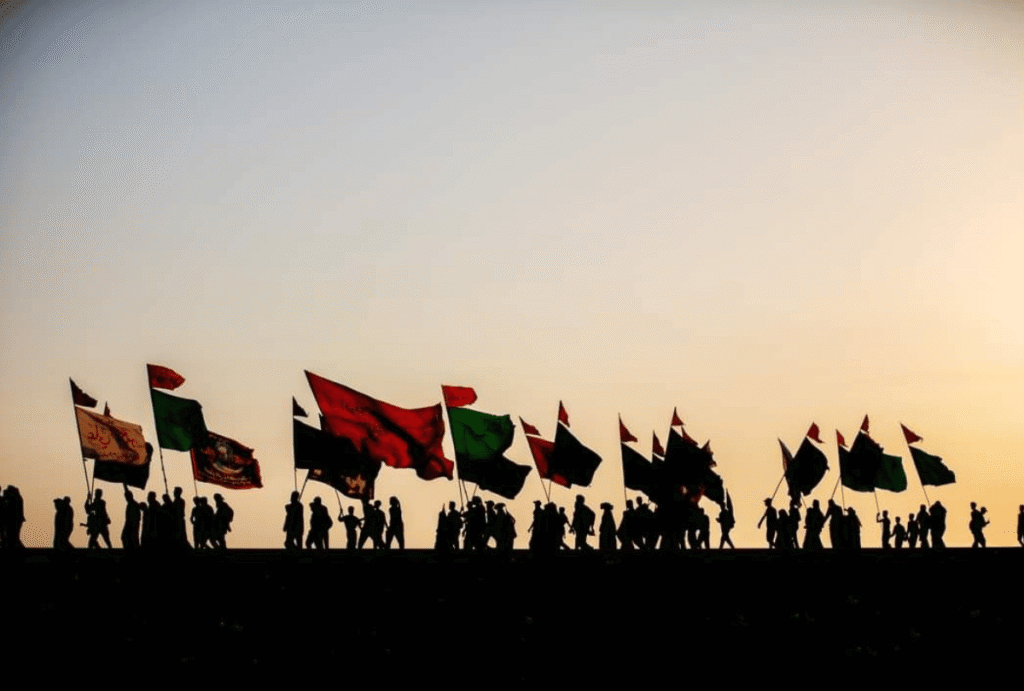
Every year, an extraordinary sight unfolds across Iraq.
Roads fill with people from every corner of the world. Young and old. Rich and poor. Men, women, and children. Together, they walk hundreds of miles towards a single destination: Karbala.
For many, the question is simple: why do millions walk to Karbala?
The answer is found in the life, sacrifice, and timeless message of Imam Hussain (as).
A journey of love for Imam Hussain (as)
The walk to Karbala is more than a pilgrimage. It is an expression of love and loyalty to Imam Hussain (as), the beloved grandson of the Holy Prophet Muhammad (saww).
More than 1,300 years after the tragedy of Ashura, believers continue to answer his call. They walk through hardship and exhaustion to honour the man who gave everything to preserve Islam and protect human dignity.
Allah (swt) says in the Holy Quran:
“Say: I do not ask of you any reward for it except love for my near relatives.” (42:23)
For many believers, the journey to Karbala is one way of expressing that love for the Ahlulbayt (as).
Answering the call of truth
Imam Hussain (as) did not rise for power or personal gain.
He stood against injustice, oppression, and corruption when silence would have been easier. His sacrifice at Karbala became a timeless symbol of standing for truth regardless of the cost.
When pilgrims walk to Karbala, they are renewing their commitment to those same values. Every step becomes a reminder that faith requires action, courage, and sincerity.
The journey is not simply about reaching a destination. It is about strengthening the principles that Imam Hussain (as) gave his life to defend.
The spirit of service along the road
One of the most remarkable aspects of the Arbaeen walk is the generosity shown by ordinary people.
Strangers serve strangers. Families open their homes. Communities dedicate their resources to caring for pilgrims.
This spirit of selfless service reflects the teachings of the Ahlulbayt (as) and demonstrates the values that emerged from Karbala itself: compassion, hospitality, and concern for others.
For many pilgrims, these acts of kindness become among the most memorable parts of the journey.
A global gathering of faith
The walk to Karbala brings together people from every background imaginable.
Pilgrims travel from the United Kingdom, Iraq, Pakistan, Lebanon, Nigeria, India, Australia, Canada, the United States, and countless other countries.
Despite differences in language, culture, and nationality, they walk side by side as one community.
The journey serves as a powerful reminder that the message of Imam Hussain (as) belongs to all people. His stand for justice continues to inspire hearts across generations and across borders.
Keeping the message of Karbala alive
Walking to Karbala is one way of honouring Imam Hussain (as).
Living by his values is another.
The lessons of Karbala call believers to support the vulnerable, defend human dignity, and care for those facing hardship. True loyalty to Imam Hussain (as) is demonstrated not only through remembrance but also through action.
This is why charitable giving remains such an important expression of faith.
When believers feed the hungry, support orphans, provide healthcare, and help families build sustainable livelihoods, they carry forward the principles that Imam Hussain (as) stood for.
Beyond the walk
Not every believer will have the opportunity to visit Karbala.
Yet the path of Imam Hussain (as) remains open to everyone.
His example teaches us to choose compassion over indifference, generosity over selfishness, and justice over silence. Whether we are walking towards Karbala or serving our local communities, we can all participate in preserving his message.
The journey may begin on the roads of Iraq, but its lessons extend far beyond them.
Continue his mission with The Zahra Trust
The millions who walk to Karbala are united by their love for Imam Hussain (as) and their commitment to his values.
At The Zahra Trust, those same values guide our work every day. Through food programmes, healthcare initiatives, education projects, orphan support, and sustainable livelihoods, we help vulnerable communities rebuild their lives with dignity.
As we remember the sacrifice of Imam Hussain (as), let us also honour his legacy through service. Together, we can continue the mission of compassion, justice, and human dignity that began in Karbala and continues to inspire the world today.
Frequently asked questions
Why do millions walk to Karbala every year?
Millions walk to Karbala to commemorate Imam Hussain (as), who was martyred during the tragedy of Karbala in 680 CE. The pilgrimage is an expression of love, loyalty, and commitment to the values of justice, truth, and sacrifice that Imam Hussain (as) embodied.
What is the Arbaeen walk?
The Arbaeen walk is the annual pilgrimage that takes place before Arbaeen, the fortieth day after Ashura. Pilgrims travel to Karbala to honour Imam Hussain (as) and remember his sacrifice alongside the sacrifices of his family and companions.
How many people walk to Karbala?
The Arbaeen pilgrimage regularly attracts tens of millions of participants, making it one of the largest annual religious gatherings in the world.
Why is Karbala important in Islam?
Karbala is the city where Imam Hussain (as), the grandson of Prophet Muhammad (saww), was martyred. It represents the struggle between truth and falsehood and serves as a lasting symbol of sacrifice, faith, and resistance against oppression.
Do people only walk from Iraq?
No. While many pilgrims begin their journey from different parts of Iraq, millions travel from countries around the world and join the pilgrimage routes leading to Karbala.
What is the significance of serving pilgrims during Arbaeen?
Serving pilgrims is considered a great honour and act of worship. Volunteers provide food, water, shelter, transport, and medical assistance as a way of expressing love for Imam Hussain (as) and supporting those making the journey.
How can I honour Imam Hussain (as) if I cannot visit Karbala?
You can honour Imam Hussain (as) by living according to his values. Supporting those in need, giving charity, helping vulnerable families, and standing for justice are all ways of carrying forward his message.
How does The Zahra Trust continue the legacy of Imam Hussain (as)?
The Zahra Trust supports vulnerable communities through food aid, healthcare, education, orphan care, water projects, and sustainable livelihood programmes. These initiatives reflect the values of compassion, dignity, and service that Imam Hussain (as) stood for and sacrificed to protect.
More from blog

Bridging the Digital Divide Through Education
Discover how education and technology can help bridge the digital divide and create equal learning opportunities. Support children with the tools for…
Can Sadaqah Be More Than Money?
Sadaqah isn't only about giving money. Discover how your time, kindness, knowledge and actions can become acts of charity in Islam with…
The Future Starts with Education
Invest in education and help vulnerable children build skills, confidence and opportunity. Support The Zahra Trust’s Back to School appeal today.