

Islam places social justice at the very heart of faith.
Ramadan, in particular, sharpens our awareness of inequality, hunger, and hardship—reminding us that worship is not complete without concern for others.
For Muslims, social justice is not an abstract idea. It is a lived principle taught by the Prophet Muhammad (saww) and upheld by the Ahlulbayt (as), whose lives were defined by standing with the oppressed.
Social Justice as an Act of Worship
In Islam, upholding justice and social justice is an act of worship.
Fasting nurtures empathy, while prayer strengthens accountability. Together, they move believers to act—especially on behalf of the vulnerable.
Imam Ali (as) ruled with fairness, even when it came at personal cost. His example reminds us that justice must be upheld consistently, not selectively.
Ramadan and Responsibility
Ramadan awakens social responsibility.
When we feel hunger, we better understand those who live with it daily. This awareness should lead to action—through charity, advocacy, and ethical choices.
Putting Justice into Practice
Supporting orphans, widows, and displaced families reflects Islam’s call to dignity and equity.
At The Zahra Trust, this principle guides every humanitarian effort, ensuring aid reaches those most in need with compassion and respect.
FAQ
It means fairness, dignity, and protection of rights for all.
Fasting builds empathy and encourages generosity.
Through personal sacrifice, fairness, and care for the oppressed.
Charity is vital, but justice also includes ethical living and speaking up.
Yes—Islam values sincere effort, no matter the size.
By delivering aid rooted in dignity, equity, and Islamic values.
More from blog
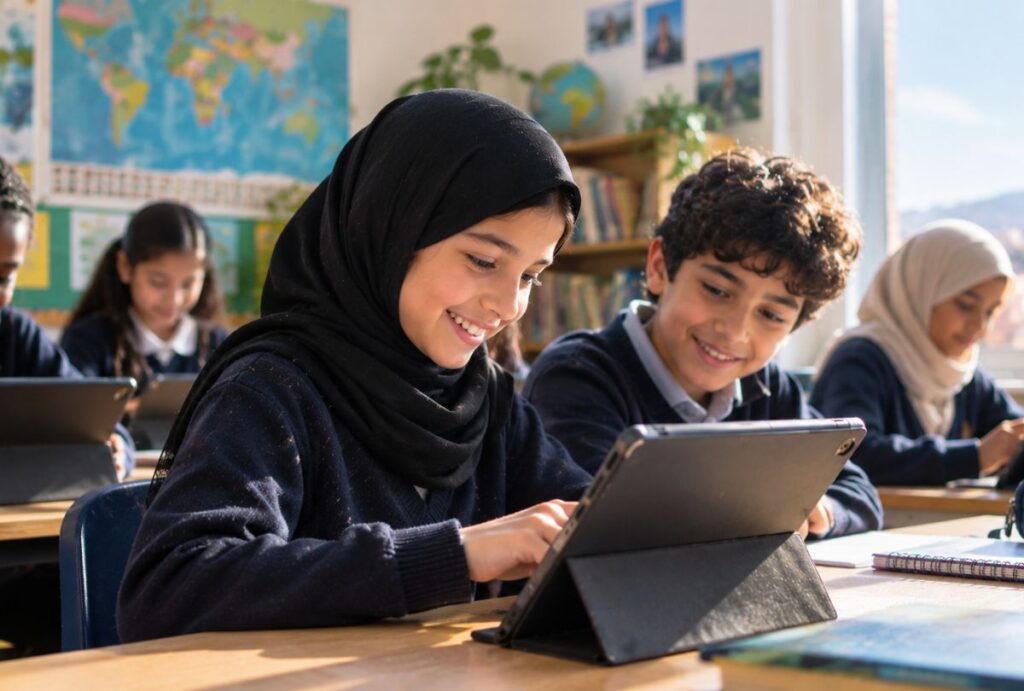
Bridging the Digital Divide Through Education
Discover how education and technology can help bridge the digital divide and create equal learning opportunities. Support children with the tools for…
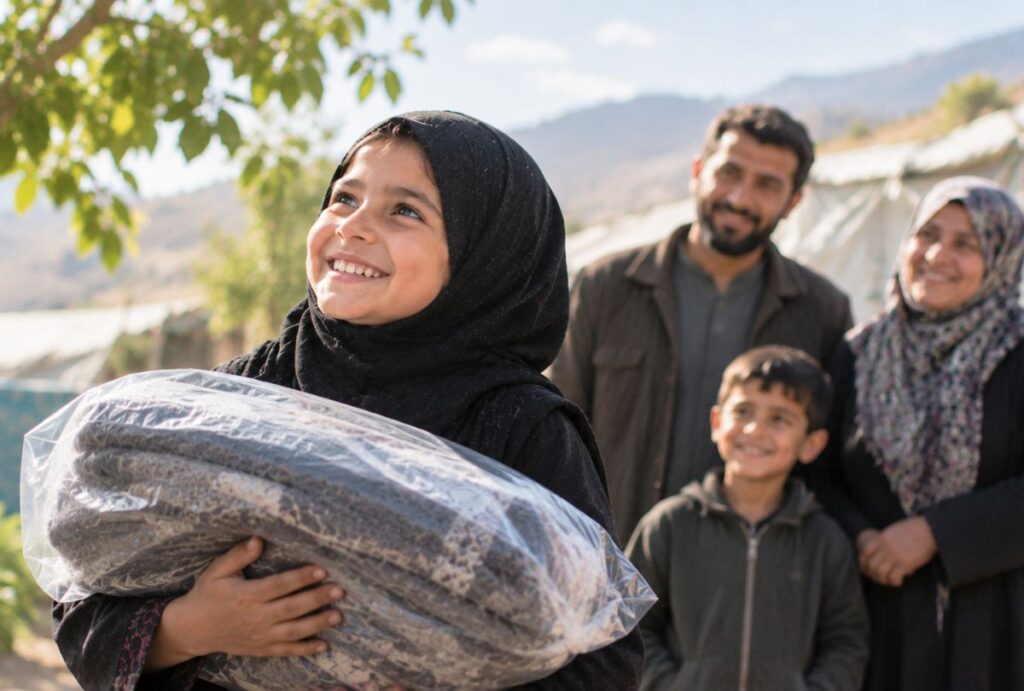
Can Sadaqah Be More Than Money?
Sadaqah isn't only about giving money. Discover how your time, kindness, knowledge and actions can become acts of charity in Islam with…
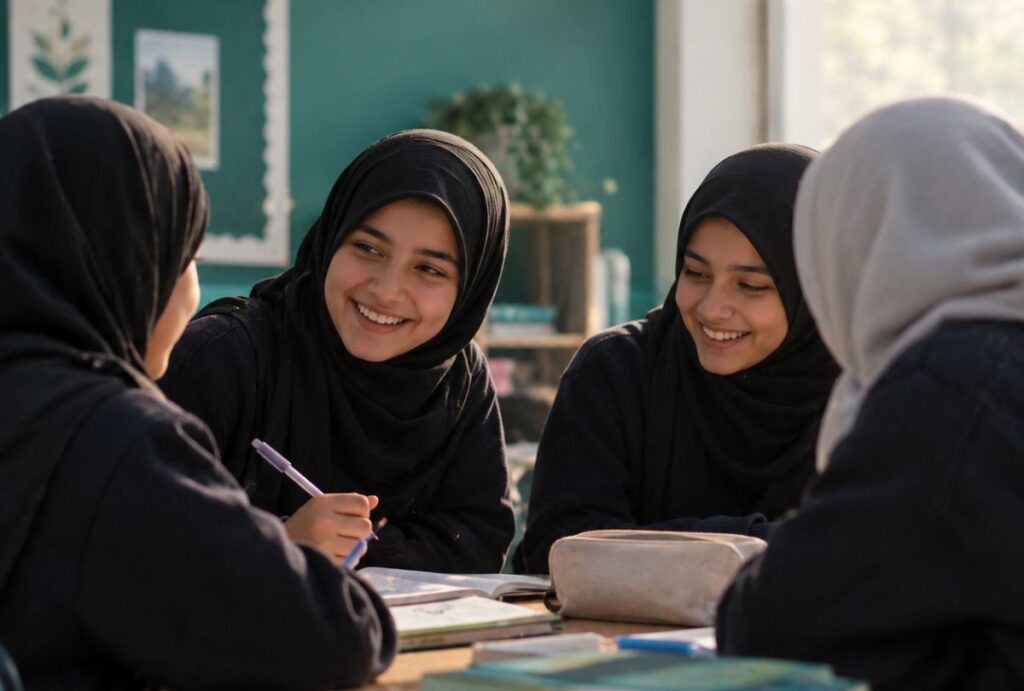
The Future Starts with Education
Invest in education and help vulnerable children build skills, confidence and opportunity. Support The Zahra Trust’s Back to School appeal today.