
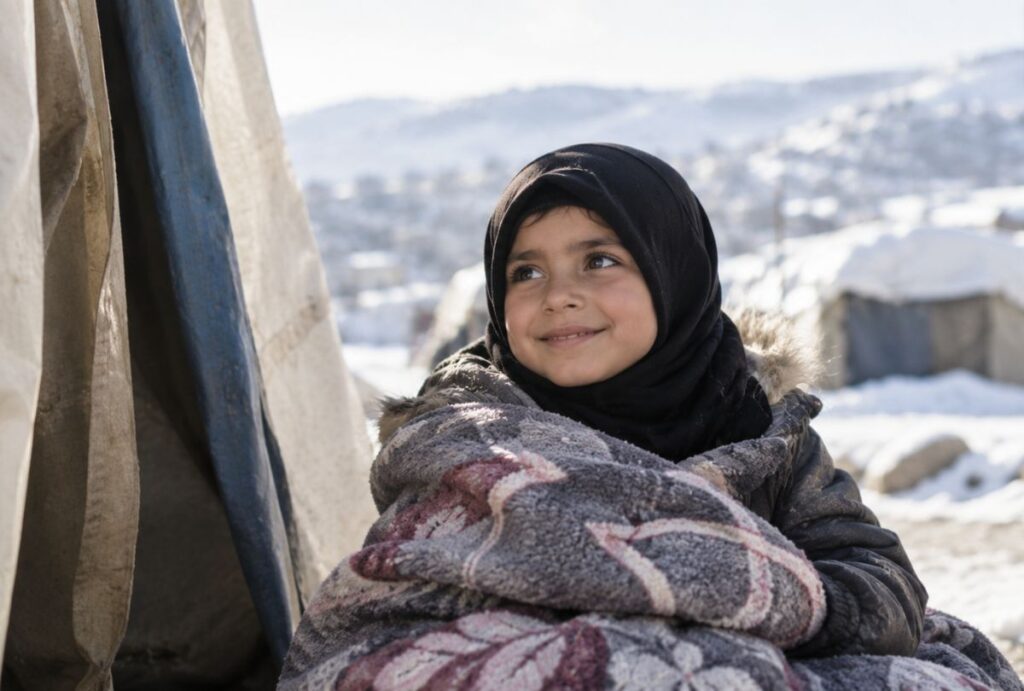
Childhood should be a time for learning, playing, making friends and discovering the world. But for children growing up through prolonged crisis, everyday life can look very different.
When conflict, displacement or economic hardship continues for months or years, the things that help children feel secure can become difficult to access. School may close, families may have to leave their homes, and familiar routines can disappear almost overnight.
Across the Middle East, children have faced repeated disruption to their education, homes and essential services. UNICEF has documented how overlapping crises can affect children’s learning, nutrition and emotional wellbeing.
But childhood is about more than the challenges a child faces. Children continue to learn, play, form relationships and imagine their futures, even in difficult circumstances. Understanding what prolonged crisis takes away is an important step towards protecting the opportunities every child deserves.
What Happens When Everyday Life Is Disrupted?
For many children, a sense of normality comes from small, familiar things: getting ready for school, eating with family, seeing friends and knowing where they will sleep at night.
Prolonged crisis can make these simple routines uncertain.
Families may be forced to move, sometimes more than once. Homes can be damaged, essential services interrupted and household finances stretched by the cost of food, transport and other necessities.
For children, these changes can mean losing familiar surroundings and the people or places they rely on. They may find it harder to settle into a routine when their family’s circumstances keep changing.
This does not mean every child will respond in the same way. Some may become quieter, while others continue to play, ask questions and enjoy time with friends. Children experience difficult circumstances differently, and their responses should be met with patience, care and understanding.
How Does Prolonged Crisis Affect Education?
Education is about much more than lessons and exams. School can provide structure, friendships, trusted adults and a place where children begin to understand their strengths and interests.
During a prolonged crisis, access to education can become uncertain or stop altogether.
Schools may be damaged, closed or used as emergency shelters. Teachers and pupils may be displaced, while families struggle to afford transport, school materials or other costs. Even when lessons resume, children may face gaps in their learning or find it difficult to concentrate.
Keeping children connected to education is therefore about more than preventing missed lessons. It helps preserve a part of childhood that supports confidence, development and future choices.
Why Are Play and Friendships So Important?
When a crisis is unfolding, play can seem like a small concern beside the urgent need for food, shelter and safety. Yet play is an important part of how children grow.
Through games, drawing, sport and time with friends, children explore their interests, develop skills and build relationships. These experiences give them opportunities to express themselves and enjoy being children.
Displacement and insecurity can make these ordinary activities harder to access. Playgrounds may be unsafe, community spaces may be unavailable, and friendships may be interrupted when families move away.
Children need more than survival essentials. Safe opportunities to play, learn and spend time with others can help them maintain connections and experience moments of joy, even when life remains uncertain.
What Does Growing Up Through Crisis Mean for a Child’s Wellbeing?
Living with uncertainty over a long period can place additional pressure on children and the adults who care for them.
A child may worry about their family’s safety, struggle with changes to their routine or miss the comfort of familiar surroundings. Some children may experience changes in sleep, mood or concentration. Others may show few obvious signs of distress, or find support through family, friends, school and community.
There is no single way children experience or respond to crisis. It is important not to define them by what they have been through or assume that their future has already been determined.
Safe environments, caring relationships, consistent routines and access to appropriate support can all help children feel more secure. Children also need opportunities to make choices, express themselves and take part in everyday activities that support their growth.
How Can Support Help Protect Childhood?
Children and families affected by prolonged crisis need support that responds to their immediate circumstances while helping them rebuild stability over time.
This can include:
- Access to education: Helping children return to learning or access safe alternative learning opportunities.
- Essential supplies: Supporting families with necessities that help meet children’s everyday needs.
- Safe spaces: Creating opportunities for children to learn, play and connect with others.
- Family and community support: Helping caregivers access resources and services that support children’s wellbeing.
- Longer-term assistance: Recognising that families may need sustained support when a crisis continues or recovery takes time.
The needs of each community are different, so support must be shaped around the circumstances families actually face.
Through humanitarian assistance, The Zahra Trust works to support vulnerable communities and help families access essential resources. By responding to urgent needs and supporting opportunities for children, we can help protect the conditions they need to grow and learn.
What Does Islam Teach Us About Protecting Children?
Islam reminds us that every human being has dignity and deserves care and compassion.
In the Qur’an, Allah (swt) says:
“We have indeed honoured the children of Adam…” (Qur’an 17:70)
This verse reminds us of the dignity of every child, regardless of their circumstances or where they grow up.
Children affected by conflict, displacement or poverty should not be seen only through the difficulties they face. They are individuals with their own interests, abilities, hopes and potential.
Protecting their wellbeing means recognising their needs, respecting their dignity and helping them access the opportunities that allow them to learn, develop and participate in their communities.
Helping Children Have the Chance to Be Children
Prolonged crisis can interrupt many parts of childhood, from school and friendships to play and the comfort of a familiar home. But these disruptions do not have to define a child’s whole life.
With access to education, safe spaces, essential resources and caring support, children can continue to learn, develop relationships and look towards the future.
Every child deserves more than the chance to get through another difficult day. They deserve the opportunity to grow, discover their abilities and build a future filled with possibility.
Together, we can help protect childhood, support families and create opportunities for brighter futures.
Frequently Asked Questions
What does growing up through prolonged crisis mean?
Growing up through prolonged crisis means experiencing ongoing disruption caused by circumstances such as conflict, displacement, economic hardship or disasters. These conditions can affect a child’s access to education, safe housing, healthcare, play and familiar routines.
How does prolonged crisis affect children’s education?
Prolonged crisis can lead to school closures, damaged learning facilities, displacement and financial barriers that make attendance difficult. Children may miss lessons, fall behind or struggle to concentrate. Access to safe, consistent learning opportunities can help them continue their education.
Why is play important for children affected by crisis?
Play supports children’s development, creativity, social skills and relationships. Safe opportunities to play can give children a sense of routine and connection during uncertain times, alongside the essential protection and practical assistance they need.
How can prolonged crisis affect children’s wellbeing?
Ongoing uncertainty and disruption can contribute to worry, sleep difficulties or changes in mood and concentration. However, children respond differently, and crisis does not determine every child’s future. Caring relationships, safe environments and appropriate support can help protect wellbeing.
How can we help children growing up through crisis?
Support can include helping families access essential supplies, protecting access to education, creating safe opportunities for play and learning, and supporting community services. The most appropriate response depends on the needs of each child and family.
How does The Zahra Trust support children and families affected by crisis?
The Zahra Trust provides humanitarian assistance to vulnerable communities, helping families access essential resources and support. This work can help address immediate needs and contribute to safer, more stable conditions in which children can grow and learn.
More from blog
What Do the Ahlulbayt (as) Teach About Relieving Hardship?
Discover what the Ahlulbayt (as) teach about relieving hardship, helping others through difficult times and turning compassion into action.
What Is Giving Tuesday and Why Do Millions Take Part?
Discover what Giving Tuesday is, how this global movement began, why collective generosity matters and how you can take part with The…
What Happens to Your Body When You Get Too Cold?
Discover how your body responds to cold, the warning signs of hypothermia and frostbite, and why warmth and shelter matter during winter.