
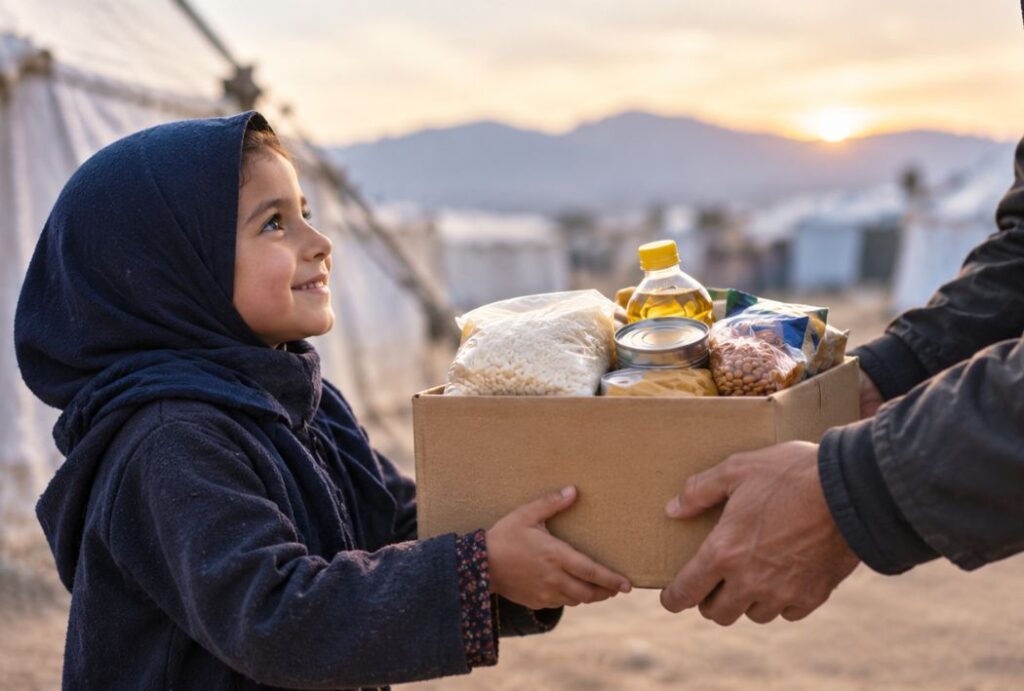
Every year, people around the world come together to support causes they care about. Some donate to charities, others volunteer their time, and many find simple ways to help people in their communities.
Giving Tuesday brings this spirit of generosity into the spotlight. It encourages people to think beyond themselves, recognise the needs of others and consider what they can do to make a difference.
But what exactly is Giving Tuesday? Where did it come from, and why has it grown into a global movement?
What Is Giving Tuesday?
Giving Tuesday is a global movement that encourages people to give, collaborate and support the causes that matter to them.
Giving Tuesday is not tied to one charity or a single fundraising campaign. Instead, it provides an opportunity for people to come together around a shared idea: everyone has something they can give.
For some, that means making a donation. For others, it might mean volunteering, sharing useful skills, donating essential items or helping someone who needs support.
The central message is simple. Generosity can take many forms, and every act of kindness has the potential to make a difference.
When Is Giving Tuesday?
Giving Tuesday takes place every year on the Tuesday following the Thanksgiving holiday in the United States.
Although its date is linked to the American calendar, the movement has grown far beyond the United States. People and organisations around the world now use the day to encourage generosity and bring attention to causes that need support.
In 2026, Giving Tuesday falls on Tuesday 1 December.
The day provides a shared moment for people to reflect on how they can help others, whether through charitable giving, community action or personal acts of kindness.
How Did Giving Tuesday Begin?
Giving Tuesday began in 2012 in the United States, developed by the 92nd Street Y in partnership with the United Nations Foundation.
It emerged during a period of the year when public attention often turns towards shopping and spending. Black Friday and Cyber Monday had become familiar fixtures of the retail calendar, and Giving Tuesday offered a different focus: giving back.
Rather than encouraging people to buy more, the idea was to encourage people to do more good.
Social media helped the initiative spread. Charities, businesses and individuals could share their plans, encourage others to participate and build momentum around the day.
What started as a simple idea has since developed into a global movement. Giving Tuesday now works through a network of local leaders and communities, each encouraging generosity in ways that make sense for their own circumstances.
Its growth shows how a shared message can bring people together across borders, backgrounds and causes.
Why Do Millions Take Part in Giving Tuesday?
Giving Tuesday appeals to people because it offers a simple way to turn good intentions into action.
There are several reasons why the movement continues to grow.
1. It Reminds Us to Think Beyond Ourselves
Daily life can be busy. Work, family responsibilities and personal commitments can leave little time to consider what others might be experiencing.
Giving Tuesday creates a moment to pause and think about the needs around us.
It might inspire someone to support a local food bank, donate to a humanitarian appeal or check in on a neighbour who could use some help.
The day is a reminder that generosity does not have to be complicated. Sometimes, it starts with noticing a need and deciding to respond.
2. It Shows the Power of Collective Giving
One person may feel that their contribution is small. But when many people choose to give towards a shared cause, their combined support can help charities reach more people and sustain important programmes.
Collective generosity is not about comparing donations or expecting everyone to give the same amount. It is about recognising that people can contribute in different ways, according to their circumstances.
A donation, a few hours of volunteering or sharing information about a cause can all help build momentum.
When people work together, individual acts of kindness become part of a wider effort.
3. It Makes Giving About More Than Money
Although fundraising is an important part of Giving Tuesday for many charities, financial donations are only one form of generosity.
People can take part by giving their time, sharing their skills, donating useful items or supporting a community initiative.
A teacher might volunteer their expertise. A family might organise a collection of essential goods. Someone else might use their platform to raise awareness of a cause that is often overlooked.
Giving Tuesday encourages people to consider what they have to offer, rather than assuming that generosity is only possible for those with money to spare.
4. It Creates a Shared Opportunity to Act
There is something powerful about knowing that people in different places are taking action around the same time.
Giving Tuesday gives charities and supporters a shared opportunity to talk about important issues, encourage participation and connect people with causes they care about.
That collective momentum can help raise awareness and inspire people to take part in charitable work beyond the day itself.
Ultimately, the goal is not simply to make one day more generous. It is to encourage generosity to become a more regular part of everyday life.
What Does Islam Teach Us About Giving?
For Muslims, the principles behind Giving Tuesday connect naturally with the Islamic emphasis on charity, compassion and responsibility towards others.
The Qur’an repeatedly encourages believers to give and reminds us that charitable acts can carry a reward far greater than their immediate value.
“The parable of those who spend their wealth in the way of Allah (swt) is as the parable of a grain growing seven ears, in every ear, there are a hundred grains; and Allah (swt) multiplies for whom He pleases; Allah (swt) is Ample-giving, All-knowing.” (Qur’an 2:261)
This verse offers a powerful reminder that giving can have a far-reaching impact. Like a seed that grows and produces more than it began with, a charitable act can contribute to benefits beyond what we may immediately see.
“Nobody gains anything from his worldly life except that which he spends on others.” (Ghurar al-Hikam, n.10164)
Islamic giving also encompasses more than financial contributions. Helping someone, sharing knowledge, offering time and responding to another person’s difficulty are all ways of putting compassion into practice.
Giving Tuesday can therefore serve as a reminder to reflect on our own habits of generosity. It is an opportunity to consider not only what we give, but why we give and how we can make kindness a more consistent part of our lives.
How Can You Take Part in Giving Tuesday?
There is no single way to participate. The best place to start is by thinking about the causes you care about and the kind of support you can offer.
You could:
- Make a donation: Support a charity or community initiative whose work matters to you.
- Volunteer your time: Offer practical help to an organisation or local cause.
- Donate essential items: Give useful goods to a reputable collection or support programme.
- Share your skills: Help an organisation with your professional knowledge, experience or abilities.
- Raise awareness: Share information about a cause and encourage others to get involved.
- Make generosity a habit: Look for ways to help others throughout the year, rather than only on a designated day.
- If you are making a financial donation, take time to understand the charity’s work, how it uses donations and whether the particular appeal matches the cause you want to support.
Giving should be thoughtful as well as generous.
How Is The Zahra Trust Taking Part in Giving Tuesday?
At The Zahra Trust, generosity is connected to the practical work of supporting people and communities facing hardship.
Working across different countries and communities, we support programmes in areas including food, clean water, healthcare, education, shelter and sustainable development.
These needs do not disappear when Giving Tuesday ends. Families may continue to face poverty, displacement, food insecurity and difficult winter conditions long after a fundraising campaign has finished.
Giving Tuesday offers an opportunity to bring people together around that ongoing work. Through its fundraising campaigns, The Zahra Trust invites supporters to help provide essential assistance to people who need it.
If you choose to give, take a moment to explore the current appeal and understand what your donation will support. Every contribution should be made with a clear understanding of the cause and the work being funded.
This Giving Tuesday, consider how your generosity could help someone facing hardship. Explore The Zahra Trust’s current appeal and find a way to be part of the difference.
Frequently Asked Questions About Giving Tuesday
What is Giving Tuesday?
Giving Tuesday is a global generosity movement that encourages people to donate, volunteer, share skills, support community initiatives and take action for causes they care about.
When does Giving Tuesday take place?
Giving Tuesday falls on 1 December, 2026.
Why was Giving Tuesday created?
Giving Tuesday began in 2012 to encourage charitable giving and community action during a period of the year associated with major shopping events. It offered a way to focus attention on generosity and helping others.
Do I have to donate money to take part in Giving Tuesday?
No. You can participate by volunteering, donating useful items, sharing your skills, raising awareness of a cause or helping someone in your community. Financial donations are only one way to give.
Why is collective giving important?
Collective giving brings together contributions from many people. When supporters unite around a shared cause, their combined generosity can help charities fund programmes, reach communities and respond to important needs.
How can I support The Zahra Trust on Giving Tuesday?
You can explore The Zahra Trust’s current appeals and choose a cause you wish to support. You can also share its work with others to help raise awareness of humanitarian needs.
More from blog
What Happens to Your Body When You Get Too Cold?
Discover how your body responds to cold, the warning signs of hypothermia and frostbite, and why warmth and shelter matter during winter.
What Does Islam Teach About Caring for Children?
Explore what the Qur’an and the teachings of the Prophet Muhammad (saww) say about children’s dignity, protection, education and wellbeing.
What Does Every Child Need to Thrive?
Discover what children need to thrive, from safety and education to healthy living conditions and opportunities to grow. Learn how humanitarian support…