
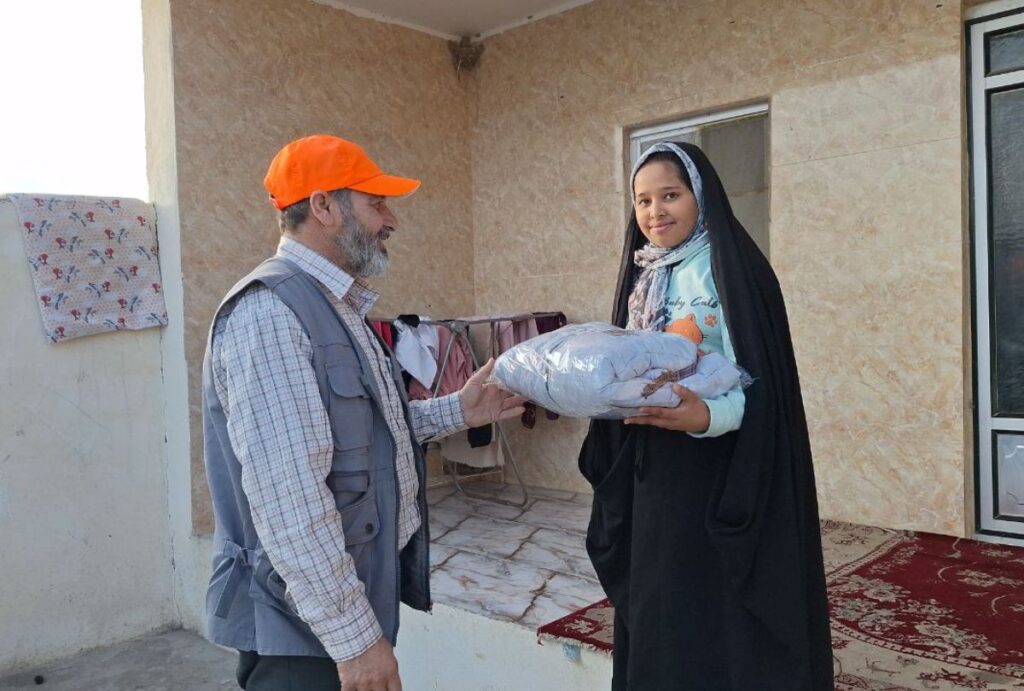
When someone is going through a difficult time, it can be hard to know what to do. We might want to help but feel that we cannot change their circumstances enough to make a real difference.
The teachings of the Ahlulbayt (as) remind us that helping others is valuable, even when we cannot solve every problem. Sometimes, easing someone’s burden, offering support or simply showing that we care can mean more than we realise.
Helping Others Matters, Even When We Cannot Fix Everything
Imam al-Sadiq (as) is reported to have said:
“Indeed, Allah (swt) continues to aid a believer as long as he continues to aid his fellow believer.”
We should not measure the value of our help only by whether we can completely resolve someone’s problem.
We may not be able to find someone a permanent home, remove every financial worry or bring an end to a family’s hardship. But we can still help make their situation a little easier.
Listening without judgement, providing practical support or helping someone access essential resources can all be meaningful ways to show compassion. We may not see the full impact of these actions, but that does not make them any less valuable.
Compassion Should Lead to Action
The teachings of the Ahlulbayt (as) encourage us to look beyond our own circumstances and recognise the difficulties others face.
Compassion is important, but it becomes even more powerful when we act on it. If someone is struggling to afford food, a meal can help. If a family does not have access to clean water, providing that access can improve daily life. If a child is unable to attend school because of difficult circumstances, helping them continue their education can support their future.
Not every act of kindness needs to be large. What matters is recognising a need and responding in a way that genuinely helps.
It is also important to help with dignity. People experiencing hardship deserve respect, understanding and the opportunity to maintain their independence wherever possible. Giving should never mean making someone feel ashamed of needing support.
Turning These Teachings into Everyday Kindness
We can put these lessons into practice in our everyday lives. We can check in on someone who is struggling, support a neighbour, give what we can or help connect someone with the resources they need.
We can also contribute to wider efforts to support people facing poverty, displacement and other challenges. Through its work across food, clean water, healthcare, education, shelter and sustainable projects, The Zahra Trust supports communities facing difficult circumstances.
Every situation is different, and no single act can resolve every form of hardship. But practical support can ease immediate difficulties and help people move forward with greater security and dignity.
Making a Difference Starts with Caring
The Ahlulbayt (as) teach us to take the hardship of others seriously and to recognise the value of helping, even when our ability to change a situation is limited.
We do not need to have every answer before we offer support. We can start with what is within our reach and give sincerely, knowing that even a small act can make a difficult day easier.
When we turn compassion into action, we help build communities where people are less likely to face hardship alone.
Frequently Asked Questions
What do the Ahlulbayt (as) teach about helping others?
The teachings of the Ahlulbayt (as) emphasise compassion, kindness and supporting others through difficulty. They remind us that helping someone is valuable even when we cannot resolve their entire problem.
Does helping someone have to involve money?
No. Financial support can be valuable, but helping can also mean offering time, listening, sharing skills or connecting someone with essential services. The right response depends on the person’s needs.
How can I help someone who is experiencing hardship?
Start by understanding what they need rather than assuming what would help. You might offer practical assistance, provide essential items, give financial support or help them access appropriate services.
How can I support people facing hardship through The Zahra Trust?
You can support The Zahra Trust’s humanitarian work, helping communities access essentials such as food, clean water, healthcare, education and shelter. Your contribution can help provide practical support to people facing difficult circumstances.
More from blog
What Is Giving Tuesday and Why Do Millions Take Part?
Discover what Giving Tuesday is, how this global movement began, why collective generosity matters and how you can take part with The…
What Happens to Your Body When You Get Too Cold?
Discover how your body responds to cold, the warning signs of hypothermia and frostbite, and why warmth and shelter matter during winter.
What Does Islam Teach About Caring for Children?
Explore what the Qur’an and the teachings of the Prophet Muhammad (saww) say about children’s dignity, protection, education and wellbeing.