
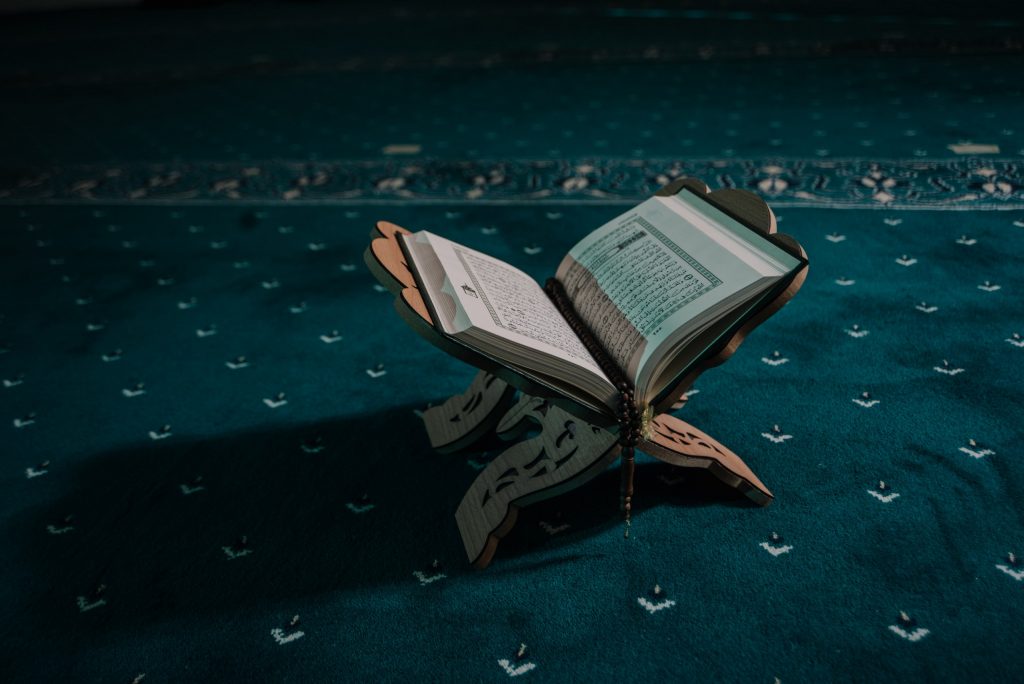
In the gentle stillness of the 15th night of Sha’ban, Mu’mineen worldwide gather in remembrance of a profound spiritual occasion: Laylatul Bara’at.
This blessed night marks not only a divine appointment with mercy but also celebrates the wiladat of our beloved Imam Muhammad Al-Mahdi (ajtfs), the awaited saviour of humanity.
The Divine Promise of Laylatul Bara’at
The 15th of Sha’ban holds a special place in Islamic tradition, particularly for followers of the Ahlulbayt (as).
This blessed night gains additional significance as we commemorate the wiladat of Imam Muhammad Al-Mahdi (ajtfs), who represents hope and justice for humanity. His birth on this auspicious night adds a layer of joy and anticipation to our spiritual observances.
Is Shab-E-Barat Mentioned in Hadith?
Prophet Muhammad (saww) taught us that on this night, Allah (swt) extends His infinite mercy to His creation, offering forgiveness to those who seek it with sincere hearts.
Our beloved Imam Muhammad Baqir (as) also teaches us about the magnificence of this night, saying: “Surely it [the fifteenth of sha’ban] is the greatest night after the night of Qadr…so stay awake in supplicating to God and praising Him.”
What Should We Pray on Shab-E-Barat?
To make the most of this blessed night, here are key a’amals that carry deep spiritual significance:
1. Night Vigil
Stay awake during the night in worship, as this time is especially blessed for seeking Allah (swt)’s mercy and forgiveness.
2. Ritual Purification
Begin your worship with Ghusl (ritual bath), preparing both body and soul for this sacred night.
3. Seeking Forgiveness
Recite ‘Astaghfirullah’ 100 times, opening the doors of divine mercy through sincere repentance.
4. Recitation of Dua Kumayl
This powerful supplication, taught by Amir Al-Mu’mineen (as), opens our hearts to seek Allah’s boundless mercy.
5. Special Ziyarat
Connect with Imam Hussain (as) through his special ziyarat, strengthening our bond with the Ahlulbayt (as).
6. Salaat Ja’far al-Tayyar
Perform this blessed prayer, known for its profound spiritual benefits.
7. Munajat Sha’baniyah
Engage in this intimate conversation with Allah (swt) through this beautiful supplication.
8. Sadaqa
Remember those in need by giving charity, following the tradition of our beloved Ahlulbayt (as).
Special Dua for Sha’ban
Throughout the remaining days of this blessed month, keep your connection with Allah (swt) strong through this special supplication:
اللَّهُمَّ إِنْ لَمْ تَكُنْ غَفَرْتَ لَنا فِيما مَضى مِنْ شَعْبانَ فَاغْفِرْ لَنا فِيما بَقِيَ مِنْهُ
“O Allah, if Thou has not forgiven us during the previous days of Sha’ban, then please be merciful to us in the days now follow”.
Community and Charity
Laylatul Bara’at reminds us of our responsibilities toward our ummah. Try to engage in these meaningful ways:
– Give Sadaqa Jariya, even if modest, as charity illuminates our path to divine mercy
– Join community gatherings at local centres for collective salah
– Share food with neighbours and those in need, following the beautiful tradition of our Ahlulbayt (as)
Connecting Hearts and Souls
Remember that while we perform these a’amals, our intention should be to draw closer to Allah (swt) and strengthen our connection with Imam Muhammad Al-Mahdi (ajtfs). Each act of worship on this night serves as a step toward spiritual purification and community harmony.
Your Journey Continues
– Community event information
– Opportunities to contribute to charitable causes
Let us make this Laylatul Bara’at a night of transformation, where our prayers unite with those of Mu’mineen worldwide, all under the loving gaze of our awaited Imam Al-Zaman (ajtfs).
Remember, every salah, every act of kindness, and every moment of reflection on this night brings us closer to divine mercy and the teachings of our beloved Prophet Muhammad (saww) and his purified household (as).
More from blog
Bridging the Digital Divide Through Education
Discover how education and technology can help bridge the digital divide and create equal learning opportunities. Support children with the tools for…
Can Sadaqah Be More Than Money?
Sadaqah isn't only about giving money. Discover how your time, kindness, knowledge and actions can become acts of charity in Islam with…
The Future Starts with Education
Invest in education and help vulnerable children build skills, confidence and opportunity. Support The Zahra Trust’s Back to School appeal today.