
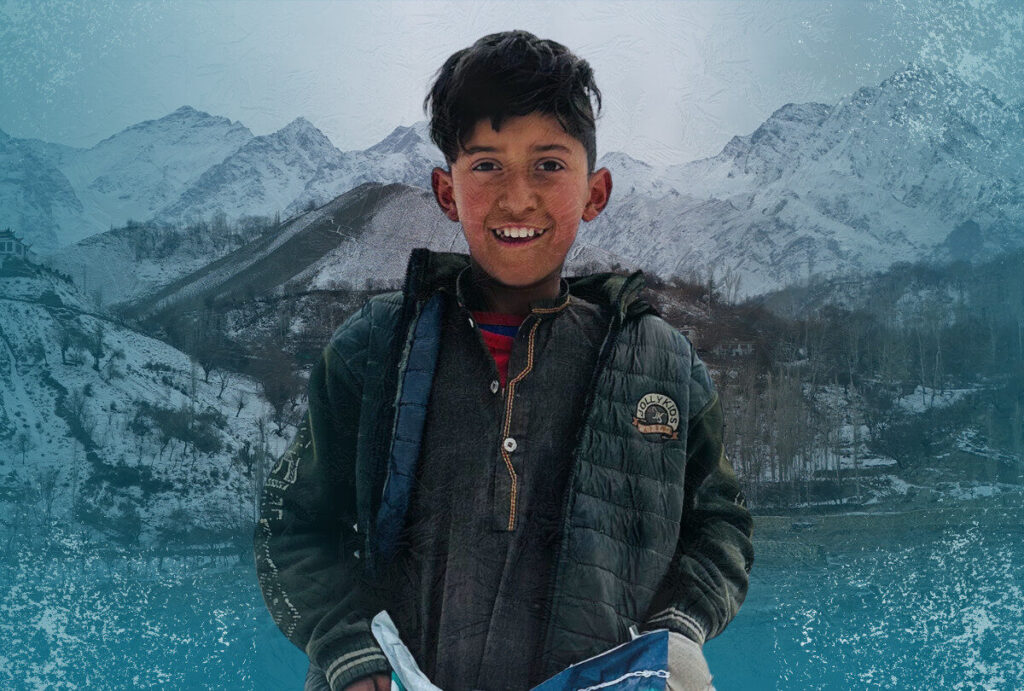
Winter reminds us of the deep human need for warmth, safety, and care.
Across the Islamic tradition, compassion isn’t just a feeling; it’s a pathway to hope.
Let’s explore how compassion in Islam becomes a source of comfort and dignity during winter, drawing from the Quran, the teachings of the Ahlulbayt (as), and the lived experience of families around the world.
“The parable of those who spend their wealth in the way of Allah (swt) is as the parable of a grain growing seven ears, in every ear, there are a hundred grains; and Allah (swt) multiplies for whom He pleases; Allah (swt) is Ample-giving, All-knowing.” (Quran 2:261)
Understanding Compassion in Islam During Winter
The Quranic Foundation of Mercy and Generosity
In the Quran, compassion is described not only as an admirable quality but as one of the defining traits of believers.
When Allah (swt) invites us to give, He connects generosity with abundance, reminding us that sincere acts of mercy multiply in reward and in impact.
As winter settles in, many households across our global community gather around warm meals and heated homes.
Yet for thousands of families enduring hardship, winter unveils a different reality: rooms without heating, cupboards with little food, and children wrapped in thin blankets.
This contrast calls us back to the heart of Islamic compassion: seeing others with empathy, responding with care, and giving with sincerity.
How Winter Reveals Human Need and Human Potential
Winter exposes vulnerabilities, but it also reveals potential for immense kindness.
Families in regions like Iraq, Pakistan, Lebanon, and Afghanistan face winter with remarkable strength, even when resources are scarce.
Parents stretch every pound they have. Children share what little they own.
And yet, they do not seek sympathy.
They seek dignity: a warmth that comes not only from blankets or food, but from knowing that someone sees them and cares.
In the UK, while we may sit in heated homes or gather around warm meals, Islam gently reminds us that comfort is a blessing.
Every blessing is an opportunity.
Why Compassion in Islam Is an Active Responsibility
Moving From Emotion to Action in Islamic Teachings
In Islam, compassion isn’t passive. It transforms emotion into action.
Whether through a warm meal, a pair of socks, or a heater for a family home, small acts of care become reflections of faith.
To give warmth, literal or emotional, is to live out the Quranic teachings of mercy.
Compassion becomes meaningful when it steps into the world as action.
Everyday Acts of Warmth: Small Deeds, Big Impact
Acts of compassion don’t need to be grand to matter. They simply need sincerity.
A neighbourly check-in.
A donated coat.
A warm drink offered to someone struggling.
Every deed given for Allah’s (swt) sake becomes ibadah, even if it seems small.
And in winter, these simple acts can mean everything.
Lessons of Compassion From the Ahlulbayt (as)
Imam Ali (as): Quiet Service and Humility
Imam Ali (as) embodied humility through service.
He walked through the night carrying food, firewood, and clothing to families who needed warmth.
He never sought recognition; he sought the pleasure of Allah (swt) through compassion.
Lady Fatima (sa): Giving Without Hesitation
Lady Fatima (sa) demonstrated courage in giving, even when her own resources were few.
Her acts, such as giving away her wedding dress, taught generations that the value of charity lies not in the amount, but in the heart behind it.
Imam Sajjad (as): Hidden Generosity
Imam Sajjad (as) supported families in secret, upholding their dignity while ensuring their needs were met.
His compassion was private, sincere, and rooted deeply in devotion.
How Compassion in Islam Strengthens Communities
Dignity-Centered Support for Families in Need
Islamic teachings emphasise that aid should uplift, not embarrass.
When we offer warmth to others, whether through food parcels, winter clothing, heaters, or simple kindness, we honour their dignity.
Creating a Culture of Mercy in Local Communities
In neighbourhoods across the UK, compassionate actions build communities grounded in mercy.
From local masjids organising relief drives to families sharing meals with refugees, compassion forms a fabric of care that connects hearts.
Modern Expressions of Islamic Compassion in Winter
Supporting Families Facing Hardship
When winter pushes vulnerable families deeper into struggle, compassionate giving becomes a shield.
Whether abroad or within our local areas, families turn to the community for kindness that restores hope.
Community Relief Efforts: Food, Clothing, and Warmth
Across regions, winter relief efforts provide:
- Nourishing meals
- Protective clothing
- Heating support
- Essential household items
These efforts reflect compassion in Islam, turning belief into meaningful change.
The Role of Dua and Spiritual Care
Beyond material support, making dua for those in hardship is a profound expression of empathy.
It connects our hearts to theirs, reminding us that compassion is spiritual as much as it is physical.
The Zahra Trust: Turning Faith into Action
Winter Relief Programs That Restore Hope
Through the generosity of supporters, The Zahra Trust brings warmth and comfort to families across multiple regions.
Last winter alone, your compassion helped us reach 33,774 people, providing:
- 15,620 individuals with warm, nourishing food
- 621 people with protective winter clothing
- 73 families with new heating systems
How Donors Multiply Their Impact Through Compassion
Just as the Quranic verse describes, giving for Allah’s (swt) sake multiplies beyond measure, both in reward and in the impact it creates for families facing harsh conditions.
How You Can Be a Source of Warmth This Winter
Simple Acts of Care You Can Offer Today
- Check in on a neighbour
- Share warm food or clothing
- Support your local masjid’s winter relief
- Help a refugee family
- Make dua for those struggling
Giving With Sincerity: The Heart of Islamic Charity
Every act done for Allah (swt) becomes worship.
Every gesture of warmth becomes a spark of hope.
Carrying Warmth Into Every Season
Compassion in Islam teaches us that warmth isn’t only physical; it’s emotional and spiritual.
When we offer kindness during winter, we reflect the mercy of Allah (swt) and honour the legacy of the Ahlulbayt (as).
May our actions continue to bring warmth long after the season has passed.
FAQ
In Islam, compassion is a form of worship. Offering warmth, food, or care during winter reflects Quranic teachings and the legacy of the Ahlulbayt (as). It’s a powerful way to live out one’s faith.
The Quran encourages giving, especially during hardship. Quran 2:261 reminds us that charity multiplies in reward and impact when done sincerely.
Imam Ali (as), Lady Fatima (sa), and Imam Sajjad (as) all gave quietly, sincerely, and selflessly. Their examples show that true compassion is rooted in love for Allah (swt).
- Check on vulnerable neighbours
- Share warm items or food
- Support relief efforts
- Assist refugee families
- Make dua for those in hardship
Your contributions provide heating, blankets, clothing, and essential items to families with dignity and care, turning compassion into meaningful change.
More from blog

Bridging the Digital Divide Through Education
Discover how education and technology can help bridge the digital divide and create equal learning opportunities. Support children with the tools for…
Can Sadaqah Be More Than Money?
Sadaqah isn't only about giving money. Discover how your time, kindness, knowledge and actions can become acts of charity in Islam with…
The Future Starts with Education
Invest in education and help vulnerable children build skills, confidence and opportunity. Support The Zahra Trust’s Back to School appeal today.