

Knowledge holds a special place in Islam. It is not only about collecting information, but about gaining understanding, developing wisdom, and using what we learn to improve ourselves and serve others. Imam Ali al-Ridha (as), the eighth Imam of the Ahlulbayt (as), taught that true knowledge strengthens the mind, protects a person from ignorance, and guides them towards goodness.
For Muslims today, the teachings of Imam al-Rida (as) offer important lessons about how we approach learning, how we use our understanding, and how we create environments where knowledge can grow. Whether through personal study, thoughtful reflection, or supporting education for others, the pursuit of knowledge remains a responsibility and a path towards spiritual growth.
Knowledge and responsibility in Islam
The Quran reminds believers that knowledge comes with accountability. Seeking truth requires care, reflection, and a willingness to distinguish between what is known and what is merely assumed.
Allah (swt) says:
This verse highlights that Muslims should not accept ideas without understanding or follow information without examining its truth. The senses and intellect are gifts from Allah (swt), and believers are responsible for using these blessings wisely.
In an age where information spreads quickly through social media, news platforms, and online discussions, this guidance is especially relevant. Knowledge requires patience, reflection, and humility. A person who seeks knowledge sincerely does not simply aim to appear informed, but strives to understand, act upon what is beneficial, and avoid spreading misinformation.
The power of the intellect
Imam al-Ridha (as) emphasised that intellect is one of the greatest tools Allah (swt) has given humanity. Through intellect, people can recognise truth, make sound decisions, and protect themselves from harmful beliefs.
This teaching shows that knowledge is closely connected to the proper use of the mind. Intellect guides a person towards understanding, while ignorance can prevent growth and lead people away from what is right.
For Muslims today, this lesson encourages a balanced approach to learning. Faith and knowledge are not separate. Seeking knowledge allows believers to better understand their religion, their responsibilities, and their role in society.
Learning should not only happen in formal settings. It can happen through reading, listening to scholars, reflecting on the Quran, learning from others, and developing curiosity about the world Allah (swt) has created.
The importance of humility when seeking knowledge
One of the greatest barriers to knowledge is believing that there is nothing left to learn. Imam al-Ridha (as) taught that wisdom requires humility, patience, and the ability to recognise the limits of one’s understanding.
A person who values knowledge understands that every conversation can provide a lesson and every experience can offer insight. This attitude helps individuals grow spiritually and intellectually.
Imam al-Ridha (as) is reported to have said, “The ignorant man’s friend is always wearied.”
(Biḥar al-Anwar, v.78, p.352, n.9)
This narration reminds us that ignorance does not only affect an individual. It can also impact relationships and communities. A person who refuses to learn, reflect, or accept guidance can create difficulties for those around them.
By contrast, knowledge encourages patience, understanding, and better communication. When people learn with sincerity, they become better equipped to support their families, communities, and wider society.
Silence, reflection and the path to wisdom
In modern life, people are surrounded by constant noise. Messages, opinions, and information compete for attention every day. Imam al-Ridha (as) reminded believers that wisdom also requires moments of silence and reflection.
Silence does not mean avoiding learning or communication. Instead, it allows a person to think carefully, listen deeply, and respond with wisdom.
For Muslims today, this teaching encourages mindful engagement. Before speaking, sharing information, or forming opinions, believers are encouraged to reflect and consider whether their words bring benefit.
Learning from the example of Imam al-Ridha (as)
During the time of Mamun, the Abbasid caliph, Imam al-Ridha (as) was brought into scholarly discussions where he engaged with scholars and religious figures from different backgrounds. Through these gatherings, the Imam (as) demonstrated deep knowledge, wisdom, and the ability to explain complex matters with clarity.
This example teaches Muslims today that knowledge has a lasting impact. A person who develops understanding and uses it with sincerity can inspire others, strengthen communities, and leave a meaningful legacy.
Continuing the legacy of knowledge
The teachings of Imam al-Ridha (as) remind us that knowledge is not only something we seek for ourselves. It is a responsibility we carry and something we should help make accessible for others. True knowledge strengthens individuals, but it also has the power to uplift families and communities.
One of the most meaningful ways to honour this legacy is by supporting environments where children can learn, grow, and develop their potential. Education does not end with access to school. Children also need safe, equipped, and supportive spaces where meaningful learning can take place.
For many vulnerable communities, classrooms lack the basic resources children and teachers need. Without learning materials, classroom resources, technology, and suitable learning environments, children may be present in school but still face barriers that prevent them from fully benefiting from their education.
A classroom is more than four walls. It is where a child learns to read. Where confidence begins. Where questions are asked. Where dreams start to feel possible.
By supporting a classroom, you help create a space where children can learn with dignity and where knowledge can flourish. Your support can provide the resources, tools, and environment children need to thrive, helping strengthen not only individual futures but entire communities.
The teachings of Imam al-Ridha (as) show us that knowledge has the ability to transform lives. By sponsoring a classroom, you can help continue this legacy by creating opportunities for children to learn, grow, and build a brighter future.
Frequently Asked Questions
What did Imam al-Ridha (as) teach about knowledge?
Imam al-Ridha (as) taught that knowledge, intellect, and wisdom are essential for spiritual growth. He encouraged people to seek understanding, avoid ignorance, and use their knowledge responsibly.
Why is knowledge important in Islam?
Knowledge is important in Islam because it helps believers recognise truth, understand their responsibilities, and make decisions based on wisdom rather than assumptions.
What is the meaning of Imam al-Ridha’s (as) saying about intellect and ignorance?
The teaching that “The friend of every man is his intellect and his enemy is his ignorance” highlights the importance of using reason and learning to overcome misunderstanding and poor judgement.
How can Muslims apply Imam al-Ridha’s (as) teachings today?
Muslims can apply his teachings by seeking beneficial knowledge, reflecting before accepting information, listening to others, and using what they learn to benefit their communities.
What can we learn from Mamun’s interactions with Imam al-Ridha (as)?
The interactions between Mamun and Imam al-Ridha (as) demonstrate the influence of knowledge and character. The Imam’s (as) wisdom showed that true respect comes through understanding and integrity.
How does supporting education reflect Islamic values?
Supporting education reflects Islamic values because it helps create opportunities for learning, growth, and personal development. Providing children with suitable learning environments helps communities become stronger.
More from blog
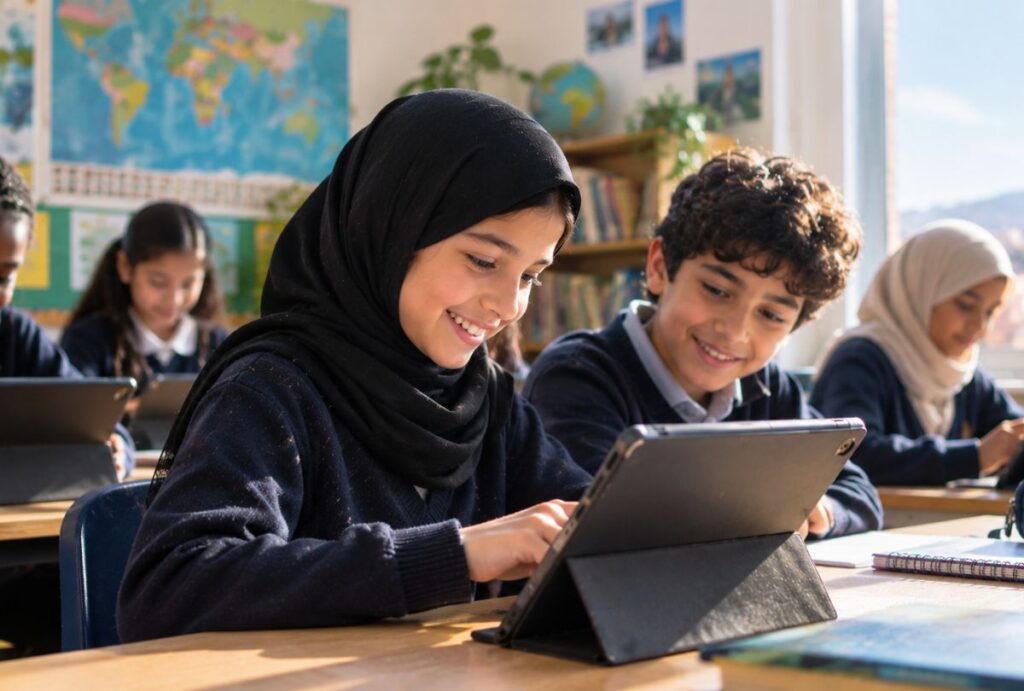
Bridging the Digital Divide Through Education
Discover how education and technology can help bridge the digital divide and create equal learning opportunities. Support children with the tools for…
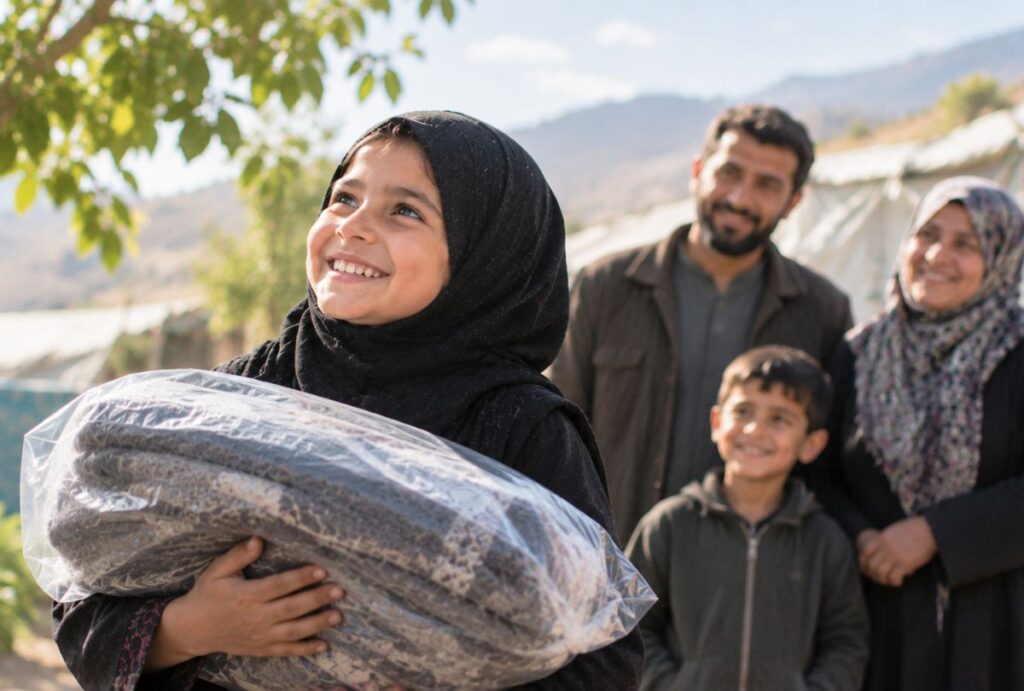
Can Sadaqah Be More Than Money?
Sadaqah isn't only about giving money. Discover how your time, kindness, knowledge and actions can become acts of charity in Islam with…
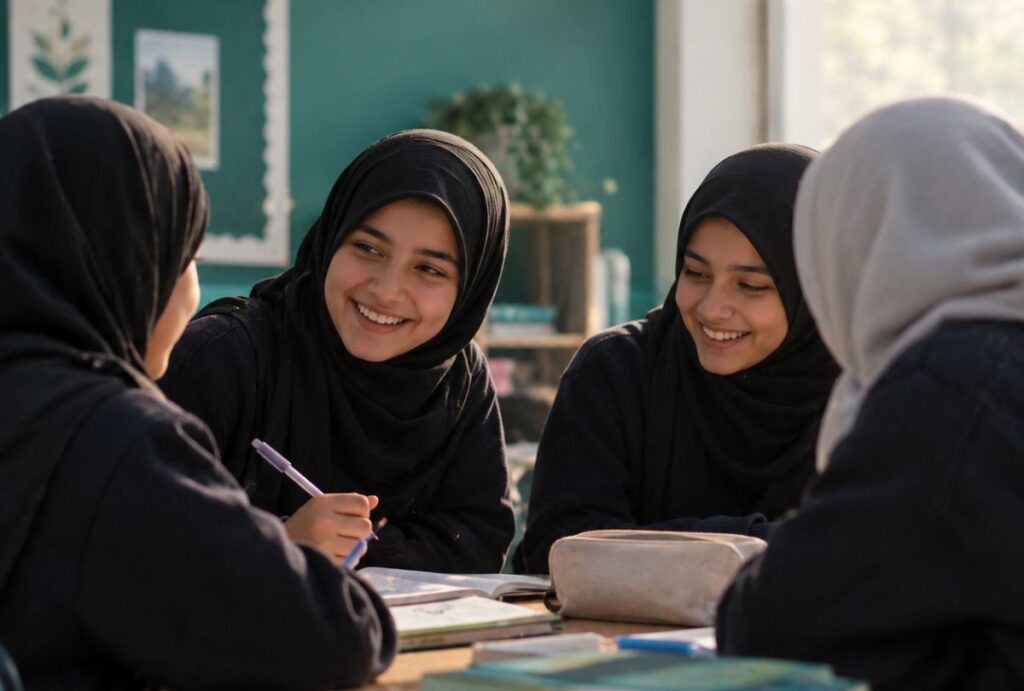
The Future Starts with Education
Invest in education and help vulnerable children build skills, confidence and opportunity. Support The Zahra Trust’s Back to School appeal today.