
Why the 27th of Rajab Matters: Understanding the Day the Prophet’s (saww) Mission Began
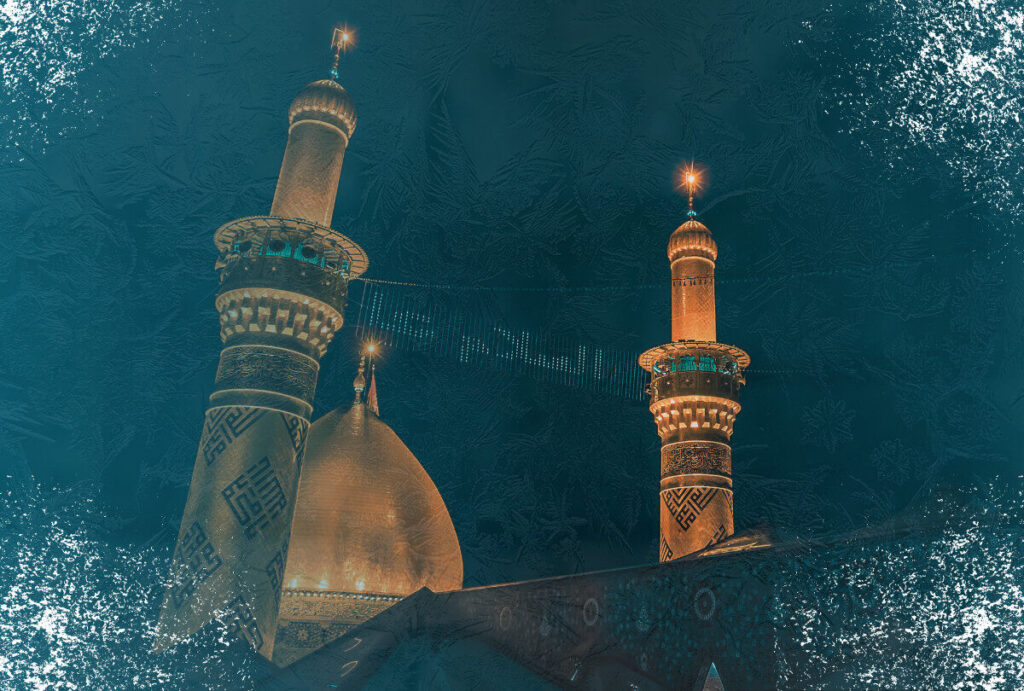
There are moments in history when what was divinely ordained becomes manifest to the world.
The 27th of Rajab, known as the Day of Mab‘ath (Eid al-Mab‘ath), marks the day when Prophet Muhammad (saww) was commanded to openly proclaim the divine mission with which he had always been entrusted.
The Prophet (saww) was divinely chosen, protected, and guided from the very beginning of his life.
The 27th of Rajab does not mark the creation of his mission, but rather its formal and public commencement, the moment revelation was unveiled to humanity and the call to guidance began openly.
On the Day of Mab‘ath, Allah (swt) commanded His Prophet (saww) to recite and convey the first verses of revelation, not as the start of divine connection, but as the beginning of its public declaration:
“Read (these Quranic verses) in the name of your Lord who created (the universe). He (specifically) created the human being from a blood clot (and gradually made him into a full person with the ability to understand and speak). Read (these verses) and your Lord is (indeed) the most generous (who blesses without asking; His greatest blessing is the ability to acquire knowledge). He is the one who taught by ‘the pen.’ He taught the human being what he did not know.”
Surah Al-Alaq, Verses 1-5
These verses marked the moment humanity was invited back to knowledge, reflection, and divine mercy.
A World That Easily Forgets Sacred Days
In the pace of modern life, sacred moments can fade into the background.
Days of immense spiritual weight pass quietly, overshadowed by routine and distraction.
Yet Eid al-Mab‘ath calls believers to pause and remember why faith exists, not as ritual alone, but as responsibility.
Allah (swt) defines the very essence of the Prophet’s (saww) mission:
“We have not sent you, (O Muḥammad,) but as a mercy for the universe.”
Surah Anbiya, Verse 107
This mercy reshaped societies burdened by injustice and ignorance.
It restored dignity, elevated the oppressed, and re-anchored humanity to moral truth.
Reconnecting with the Day of Mab‘ath renews our purpose: to live with integrity, serve others, and reflect divine mercy in our own lives.
Honour This Day of Mercy Through Action
The greatness of Eid al-Mab‘ath is not meant to be admired from a distance; it is meant to be lived.
Imam Ali (as) described the moment revelation was publicly proclaimed:
“I heard the moan of Shaitan when the revelation descended on him (saww). I said, ‘O Prophet of Allah (saww), what is this moan?’ and he (saww) replied, ‘This is Shaitan who has lost all hope of being worshipped. O Ali (as), you see all that I see and you hear all that I hear, except that you are not a Prophet, but you are a vicegerent and you are surely on the path of virtue.’”
Nahjul Balagha, Sermon 192
On this day, falsehood began to collapse under the weight of truth.
Humanity was offered a path back to Allah (swt) through faith, character, and conscious action.
Living the Prophet’s (saww) Mission Today
Prophet Muhammad (saww) himself summarised the heart of his mission:
“Verily I was deputed to perfect noble moral traits.”
Kanz al-Ummal, n.5217
Eid al-Mab‘ath reminds believers that faith is expressed through conduct.
Compassion, honesty, generosity, and justice are not secondary virtues, they are the foundation of the prophetic path.
Imam Ali (as) reinforces this connection:
“Be pleased with Muhammad (saww) as your guide (and role model) and as the one who will lead you to salvation.”
Ghurar al-Hikam, n.2447
Marking this sacred day through prayer, fasting, remembrance, and charity allows believers to realign their lives with that guidance and recommit to carrying the Prophet’s (saww) mission forward.
The Zahra Trust Movement: Mercy in Practice
At The Zahra Trust, the values of Eid al-Mab‘ath are lived every day.
Through humanitarian relief, education initiatives, orphan care, and sustainable development, The Zahra Trust Movement works to transform compassion into action across the global community.
One of the most meaningful ways supporters sustain this mission is through Footsteps of Zahra (sa), The Zahra Trust’s monthly giving programme.
By giving consistently, supporters ensure mercy reaches those in need not only in moments of crisis, but every single day.
This ongoing support reflects the very essence of the Prophet’s (saww) mission: lasting care, dignity, and justice.
How to Mark the 27th of Rajab
Eid al-Mab‘ath is an opportunity to spend the day consciously, with gratitude and intention.
Believers may choose to:
- Engage in additional prayer and remembrance
- Fast as an act of devotion
- Give charity in thanks for the Prophet’s (saww) mission
- Reflect on personal character and service to others
Even a single sincere act becomes part of the legacy that began on this sacred day.
Honour the Prophet’s (saww) Mission
Give in gratitude. Live with intention. Let your mercy reflect his.
By supporting Footsteps of Zahra (sa), you help sustain mercy every day and ensure the mission publicly proclaimed on the Day of Mab‘ath continues to transform lives.
FAQ
It marks the Day of Mab‘ath, when Prophet Muhammad (saww) was commanded to publicly proclaim his divine mission and begin guiding humanity openly.
Through worship, fasting, remembrance, reflection, and acts of charity that honour the Prophet’s (saww) mission.
Yes. Giving on sacred days reflects gratitude for divine guidance and carries profound spiritual reward.
It reminds believers that faith is lived through moral character, service, and responsibility towards others.
By embodying compassion, upholding justice, and serving others with sincerity and humility.
Through continuous humanitarian and development work that turns generosity into real-world impact.
More from blog

Bridging the Digital Divide Through Education
Discover how education and technology can help bridge the digital divide and create equal learning opportunities. Support children with the tools for…
Can Sadaqah Be More Than Money?
Sadaqah isn't only about giving money. Discover how your time, kindness, knowledge and actions can become acts of charity in Islam with…
The Future Starts with Education
Invest in education and help vulnerable children build skills, confidence and opportunity. Support The Zahra Trust’s Back to School appeal today.