
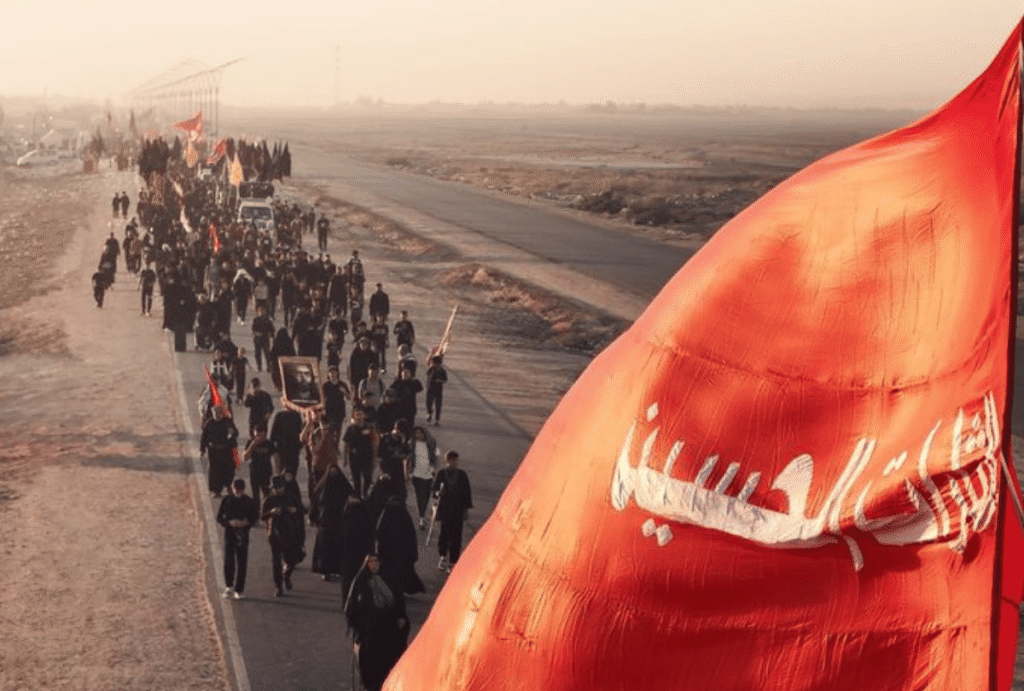
Arbaeen is one of the most powerful annual moments of remembrance in the Islamic calendar. For millions around the world, it is a time to reflect on sacrifice, renew devotion, and reconnect with values that remain relevant across generations.
But what is Arbaeen, and why does it continue to draw people together in such extraordinary numbers?
Arbaeen marks the fortieth day after Ashura, the day on which Imam Hussain (as), the grandson of Prophet Muhammad (saww), was martyred in Karbala in 61 AH. More than a date of mourning, Arbaeen represents continuity. It is the moment where grief transforms into movement, remembrance becomes action, and devotion turns into service.
For many believers, Arbaeen is not simply about looking back at history. It is about carrying forward the message Aba Abdillah (as) stood for: truth, dignity, justice, and unwavering faith.
What does Arbaeen mean?
The word Arbaeen literally means “the fortieth”.
In Islamic tradition, the number forty carries deep spiritual meaning and is often associated with reflection, completion, and transition. Arbaeen therefore marks the completion of the mourning period following Ashura.
Yet Arbaeen is not understood as the end of remembrance.
Instead, it marks a renewed commitment to the values embodied by Imam Hussain (as). Through mourning, reflection, prayer, and pilgrimage, believers reaffirm their connection to his stand in Karbala and the enduring message it carries.
The historical origins of Arbaeen and the tragedy of Karbala
To understand Arbaeen, it is necessary to understand Karbala.
In 61 AH, Imam Hussain (as) refused to give allegiance to Yazid because he believed doing so would compromise the moral and spiritual integrity of Islam. Alongside members of his family and loyal companions, he travelled and ultimately reached Karbala.
There, Imam Hussain (as) and those with him were martyred.
His stand became one of the most recognised examples in Islamic history of remaining committed to truth even under immense pressure.
Arbaeen developed as a remembrance of this sacrifice and became closely connected to visiting Karbala and keeping alive the memory of what took place.
For Shia Muslims especially, Arbaeen continues to represent the preservation of faith through principled sacrifice.
Why Imam Hussain (as) remains central to Arbaeen
Arbaeen cannot be separated from Imam Hussain (as).
The remembrance is not centred only on mourning his martyrdom, but also on understanding his mission and carrying its values into daily life.
His sacrifice is remembered as an act of loyalty to divine truth rather than worldly gain.
This connection to the Ahlulbayt (as) is reflected in the Quranic verse:
For many believers, Arbaeen becomes a living expression of this love through remembrance, service, prayer, and commitment to the path of the Ahlulbayt (as).
Arbaeen as a spiritual journey of reflection and renewal
Although Arbaeen is deeply connected to grief, its spiritual message is rooted in renewal.
Believers use this time to reflect on patience, compassion, sacrifice, and steadfastness.
Remembering Karbala becomes an opportunity to ask difficult questions:
What does it mean to stand for truth?
How do values survive hardship?
How can faith become visible through action?
This understanding gives Arbaeen meaning beyond a historical anniversary.
The remembrance becomes personal.
It becomes a chance to renew intention and reconnect worship with everyday life.
The practice of ziyarat and pilgrimage to Karbala
One of the most recognised acts associated with Arbaeen is ziyarat, the pilgrimage to Karbala.
For generations, believers have travelled to visit the shrine of Imam Hussain (as) in remembrance and devotion.
Many undertake long journeys by foot.
Walking becomes more than transportation.
It becomes an expression of humility, gratitude, and love.
The movement itself carries symbolism. Pilgrims physically travel towards remembrance while spiritually moving towards values they hope to strengthen within themselves.
For those unable to travel, the spirit of Arbaeen continues through prayer, reflection, charity, and participation from wherever they are.
Walking together: Service, hospitality, and the spirit of Arbaeen
One of the most remarkable aspects of Arbaeen is the culture of service.
Throughout the journey, communities open their homes and dedicate time, energy, and resources to supporting pilgrims.
Food is prepared and shared.
Water is distributed.
Places to rest are offered freely.
This atmosphere of generosity reflects something deeper than hospitality.
It demonstrates how remembrance of Imam Hussain (as) inspires practical care for others.
Arbaeen becomes a collective act of devotion where people serve not for recognition, but as an expression of faith.
Lessons from the Ahlulbayt (as): Loyalty through action
Arbaeen is also an opportunity to reflect on how the Ahlulbayt (as) preserved and carried forward the message of Karbala.
After the tragedy, figures such as Sayyida Zainab (as) and Imam Zain al-Abideen (as) continued to communicate the truth of what had occurred.
Their patience and perseverance ensured that Karbala would not disappear from memory.
This enduring remembrance is reflected in a narration attributed to Imam al-Sadiq (as):
This narration speaks to the depth of grief associated with Imam Hussain (as), while also reminding believers that remembrance carries responsibility.
Love becomes meaningful when it inspires action.
Devotion becomes meaningful when it inspires service.
Why Arbaeen still matters today
The message of Arbaeen continues to resonate because the challenges faced by societies today are not entirely new.
Questions of justice, integrity, compassion, and moral courage remain present.
For many, Arbaeen creates a space where ritual and ethics meet.
It reminds believers that faith is not confined to reflection alone.
The lessons of Karbala encourage people to care for others, uphold dignity, and remain connected to values even when doing so requires sacrifice.
This is one reason why Arbaeen continues to grow as a global expression of remembrance and devotion.
Walk with Hussain
Arbaeen reminds us that remembrance is not passive.
Millions journey towards Imam Hussain (as).
Whether through service, support, or acts of compassion, every contribution can become part of a journey rooted in devotion and sustained by collective care.
Arbaeen teaches that movement towards truth does not end with remembrance. It continues through what we choose to do next.
Frequently asked questions
What is Arbaeen?
Arbaeen is the fortieth day after Ashura and commemorates the martyrdom of Imam Hussain (as) in Karbala. It is observed through remembrance, reflection, pilgrimage, and acts of devotion.
Why is Arbaeen important in Shia Islam?
Arbaeen represents continued loyalty to Imam Hussain (as) and the values he stood for, including truth, justice, sacrifice, and faith.
What happens during Arbaeen?
Believers may participate in mourning gatherings, recite prayers, perform ziyarat, and engage in acts of service and community support.
What is the Arbaeen walk?
The Arbaeen walk refers to the pilgrimage journey made by many believers travelling towards Karbala, often on foot, as an expression of devotion and remembrance.
Do all Muslims observe Arbaeen?
Arbaeen is most widely observed within Shia Muslim communities, although people from different backgrounds may engage with its message and significance.
Can someone participate in Arbaeen without travelling?
Yes. Many people observe Arbaeen through prayer, learning, charitable acts, remembrance gatherings, and reflecting on the teachings of Aba Abdillah (as).
More from blog
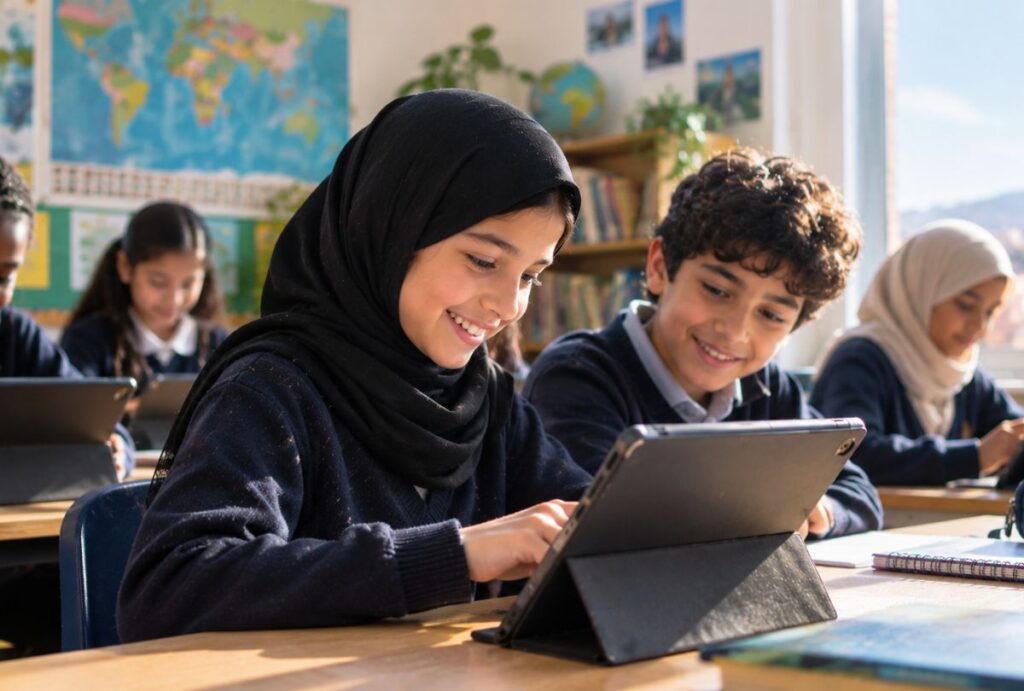
Bridging the Digital Divide Through Education
Discover how education and technology can help bridge the digital divide and create equal learning opportunities. Support children with the tools for…
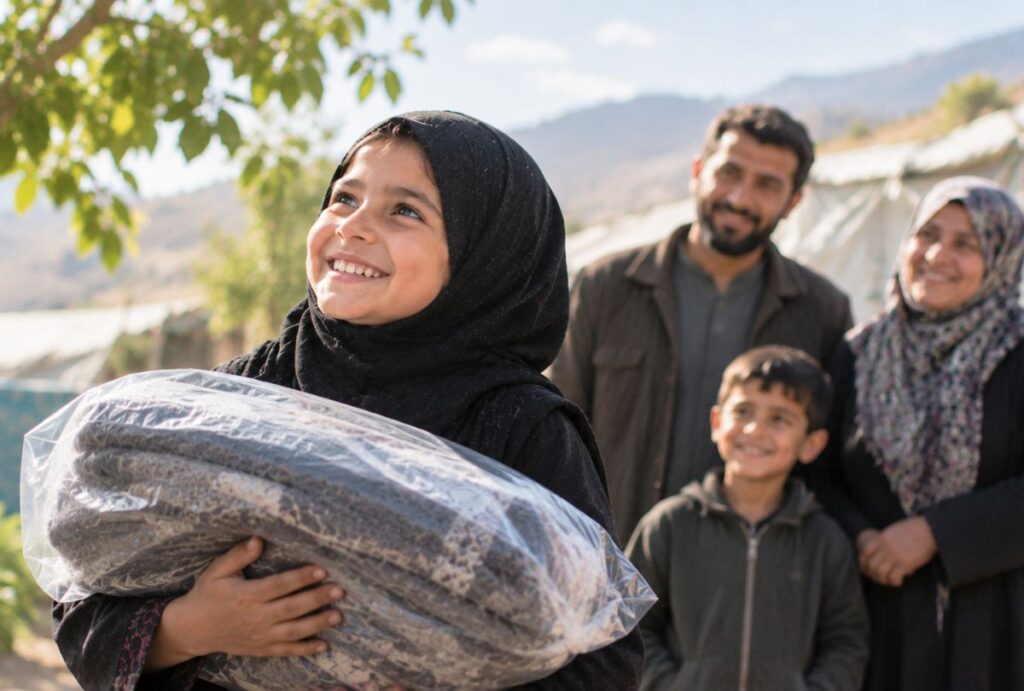
Can Sadaqah Be More Than Money?
Sadaqah isn't only about giving money. Discover how your time, kindness, knowledge and actions can become acts of charity in Islam with…
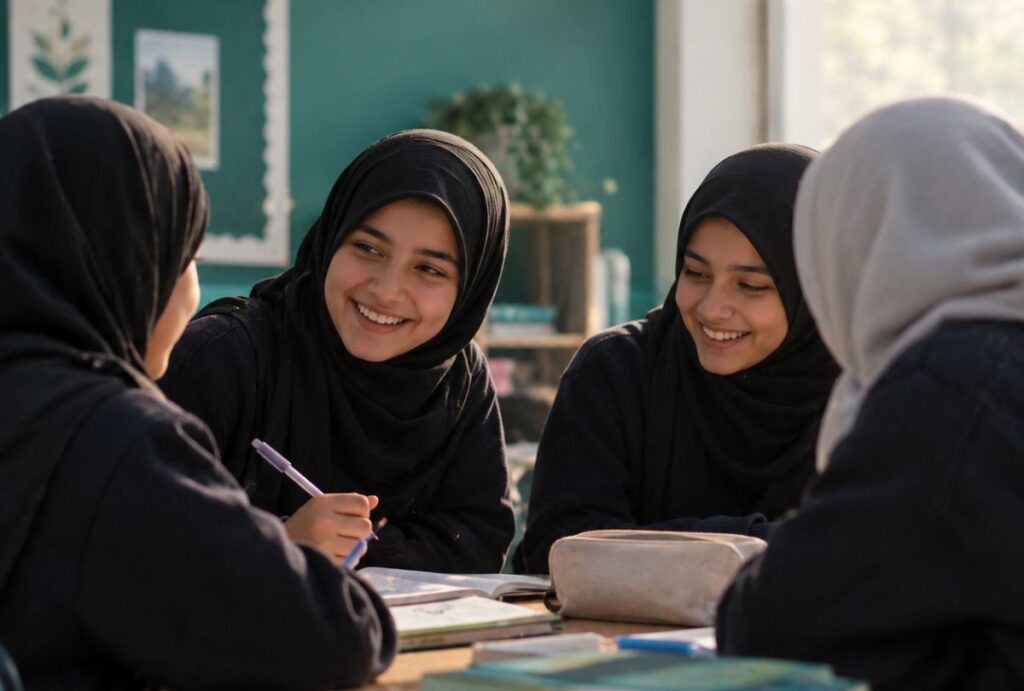
The Future Starts with Education
Invest in education and help vulnerable children build skills, confidence and opportunity. Support The Zahra Trust’s Back to School appeal today.