
It is easy to feel that we need more. More money, more possessions or more success can seem like the things that will finally make us feel satisfied. But even when we get what we want, there is often something else to strive for.
Islam encourages us to think differently about what it means to have enough. Rather than measuring our lives by what we own or what others have, we are encouraged to recognise our blessings, be grateful for them and use what we have in a meaningful way.
This is closely connected to the Islamic concept of qana’ah, or contentment. It reminds us that a fulfilling life is not simply about accumulating more, but about appreciating what we have and considering how we can benefit others.
What Does Contentment Mean in Islam?
In Islam, contentment is often described through the concept of qana’ah. It encourages us to appreciate what we have rather than constantly measuring it against what others possess or what we wish we could afford.
This does not mean that we should stop working towards our goals or avoid seeking a better life. It means finding balance: recognising our blessings while remaining mindful of our responsibilities.
Contentment can also help us reflect on our priorities. When we are less focused on keeping up with others, we may find more room for gratitude, generosity and the things that bring lasting value to our lives.
Contentment Is Not the Same as Giving Up
Being content does not mean accepting poverty, injustice or preventable hardship without trying to change them.
Islam encourages us to work, provide for ourselves and our families, and support those who need help. Wanting better circumstances is not wrong. The important distinction is between working towards a better future and allowing the desire for more to take over our lives.
Contentment is about our relationship with what we have. It allows us to work towards our ambitions while remaining grateful, rather than believing that happiness will only come when we have something more.
It is also important to remember that contentment should never be used to dismiss the struggles of others. People facing poverty or hardship deserve practical support, not simply advice to be grateful for what they have.
Gratitude Changes How We See What We Have
The Qur’an reminds us that giving in the way of Allah (swt) carries great reward:
“The parable of those who spend their wealth in the way of Allah (swt) is as the parable of a grain growing seven ears, in every ear, there are a hundred grains; and Allah (swt) multiplies for whom He pleases; Allah (swt) is Ample-giving, All-knowing.” (Qur’an 2:261)
This verse reminds us that wealth can be used for far more than personal comfort or accumulation. What we have can become a means of doing good and supporting others.
Money can help us provide for our families, but it can also help someone access food, clean water, healthcare or education. Gratitude is not about pretending that life is always easy. It is about recognising the blessings we have while remaining aware of the needs around us.
When we begin to see our resources as something we can use to make a positive difference, our understanding of having enough can change.
Having Enough Can Help Us Give More
When we constantly feel that we need more, it can become difficult to share what we already have. Contentment helps us take a step back and consider what we can give, rather than focusing only on what we want to receive.
Generosity does not have to depend on having great wealth. Even a modest contribution can help someone facing difficult circumstances.
When we give what we can, we help turn our blessings into something that benefits others.
Finding Contentment in Everyday Life
Contentment is not something we need to wait for. It can begin with the choices we make every day.
We can take time to appreciate what we have, be more thoughtful about how we spend, and avoid constantly comparing our circumstances with those of others. We can also remember people who are struggling to access even the most basic essentials.
Imam Ali (as) is reported to have said:
“The most pleasant (type) of life is (a life of) contentment.” (Ghurar al-Hikam, no. 2918)
There is nothing wrong with having ambitions, enjoying good things or working towards a more comfortable life. Contentment simply reminds us that our possessions do not determine our worth, and that the value of a blessing can also be found in how we use it.
Having enough is not only about what we keep. It is also about what we choose to share.
Support Those in Need with The Zahra Trust
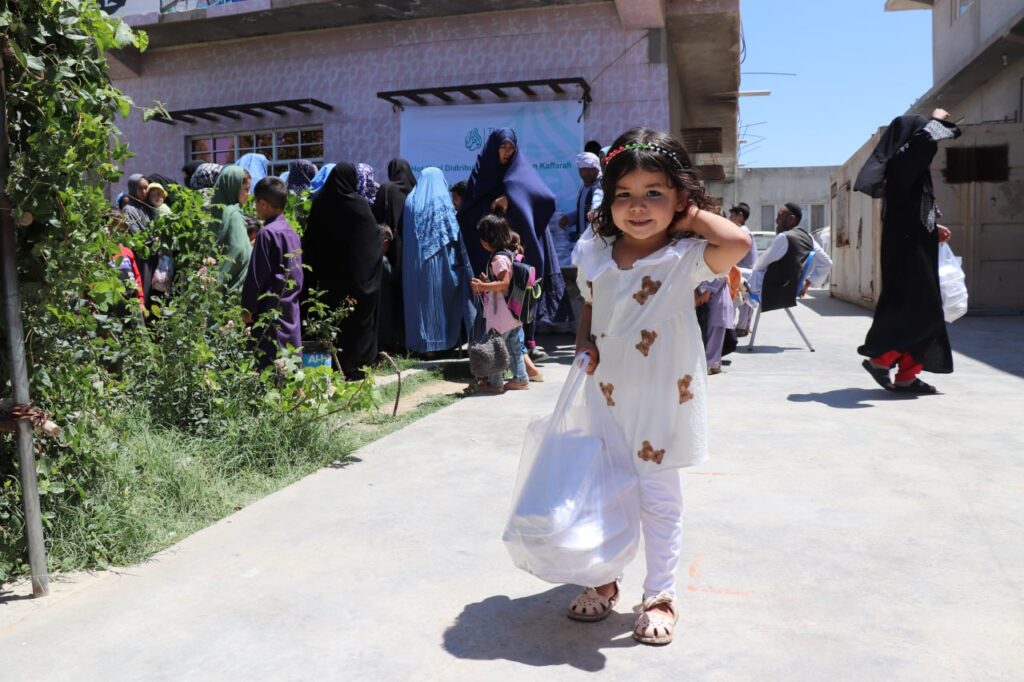
Contentment encourages us to recognise our blessings and consider how they can benefit others. For communities facing poverty and hardship, access to essentials such as food, clean water, healthcare and education can make a meaningful difference.
The Zahra Trust works across the world to support vulnerable communities and help people access the resources they need to live with dignity.
Frequently Asked Questions
What does contentment mean in Islam?
Contentment, often described as qana’ah, means appreciating what we have without constantly craving more. It encourages gratitude and a balanced relationship with wealth and possessions.
Does Islam teach us to be satisfied with poverty?
No. Contentment does not mean accepting injustice or avoiding efforts to improve difficult circumstances. Muslims can work towards financial security and a better life while remaining grateful for their blessings.
How are gratitude and contentment connected?
Gratitude helps us recognise the good in our lives, while contentment encourages us not to measure our circumstances constantly against those of others. Together, they can help us develop a more balanced relationship with our possessions and priorities.
What does Islam teach about wealth and generosity?
Islam encourages the responsible use of wealth and support for those in need. Verse 261 from Surah al-Baqarah describes the multiplied reward of spending in the way of Allah (swt), highlighting the importance of generosity.
How can I practise contentment in everyday life?
You can practise contentment by recognising your blessings, being mindful of unnecessary spending, reducing comparisons with others and sharing what you can with people who need support.
More from blog
What Happens to Your Body When You Get Too Cold?
Discover how your body responds to cold, the warning signs of hypothermia and frostbite, and why warmth and shelter matter during winter.
What Does Every Child Need to Thrive?
Discover what children need to thrive, from safety and education to healthy living conditions and opportunities to grow. Learn how humanitarian support…
Why Does Hunger Make You Feel Colder?
Discover why hunger can make you feel colder, how nutrition helps the body stay warm, and why access to food matters even…