
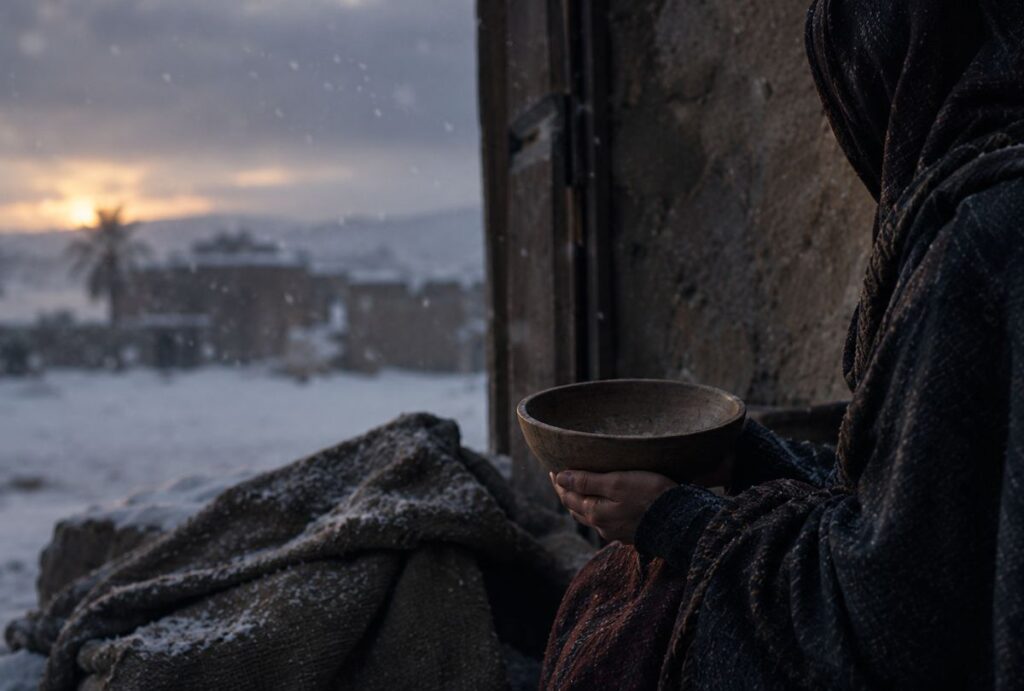
Have you ever noticed that feeling hungry can make it harder to feel warm? Perhaps your hands feel cold, you have less energy, or you find yourself reaching for another layer of clothing.
There is a reason food and warmth are closely connected. Our bodies need energy to carry out everyday functions, including keeping our internal temperature within a healthy range. When someone regularly struggles to get enough food, their body may find it harder to respond to cold conditions.
This matters throughout the year, but it becomes particularly important during winter. For people already facing food insecurity, living in a cold home or going without adequate heating, a lack of nutritious food can add another layer of hardship.
How Does the Body Keep Itself Warm?
The human body works continuously to maintain a stable internal temperature. Even when we are resting, it uses energy to keep our organs functioning, circulate blood and support other essential processes.
When the weather turns cold, the body responds in several ways. Blood vessels near the skin narrow to reduce heat loss, and muscles may begin to shiver. Shivering creates heat through repeated muscle contractions, but it also uses energy.
The body can also increase its rate of energy use to produce heat. This process is known as thermogenesis.
These responses help us cope with colder conditions, but they depend on the body being able to function effectively. Food supplies the energy and nutrients needed to support everyday bodily processes, including the responses that help regulate temperature.
Why Can Hunger Make You Feel Colder?
Feeling hungry does not always mean your body temperature has dropped. You might simply feel uncomfortable, tired or less able to cope with the cold. However, when someone consistently does not get enough food, the effects can be more significant.
Here are three important reasons why nutrition matters.
1. Your Body Needs Energy to Produce Heat
Food provides energy that the body uses for movement, organ function and maintaining its internal temperature.
In cold conditions, the body may need to use additional energy to produce heat. If someone is regularly consuming less energy than their body needs, their ability to respond to cold may be affected.
This does not mean that one missed meal will automatically make someone dangerously cold. The effects depend on a person’s overall nutritional intake, health, exposure to the cold and other individual factors. The concern is greater when food shortages continue over time.
2. Inadequate Nutrition Can Affect the Body’s Natural Defences Against Cold
The body has several ways of limiting heat loss and generating warmth. Long-term undernutrition can interfere with some of these responses.
The NHS lists feeling cold most of the time among the possible symptoms of malnutrition, alongside tiredness and weakness. This is one reason persistent difficulty staying warm should not simply be dismissed as a normal part of winter.
Nutrition is not the only factor involved. Age, health, clothing, housing and the length of time someone spends in cold conditions can also affect how well they stay warm.
3. Hunger Can Leave You With Less Energy for Everyday Life
When someone is not getting enough food, everyday tasks can become harder. They may feel weak, tired or less able to concentrate.
This can make an already difficult winter more challenging. Finding work, travelling to collect supplies, caring for family members or keeping up with school and household responsibilities can all require energy.
When a family is worried about where its next meal will come from, staying warm is not simply a matter of turning up the heating. Food, fuel, clothing and safe shelter may all compete for a limited budget.
Why Does This Matter More During Winter?
Cold weather places additional demands on people who are already struggling to meet their basic needs.
A household may have to choose between buying enough food and paying for heating. Someone living in an inadequately insulated home may feel cold even when they have eaten well. Another person may have warm clothing but still lack the nutritious meals they need.
These challenges can overlap. Food insecurity and inadequate heating are separate problems, but they can make each other harder to manage.
Children, older people and those with existing health conditions may be particularly vulnerable to the effects of cold. People experiencing prolonged undernutrition can also be at greater risk of difficulties maintaining their body temperature.
This is why winter hardship cannot be understood through one need alone. Warm clothing matters. Safe shelter matters. Heating matters. And access to enough nutritious food matters, too.
What Can Help Someone Stay Warm and Well?
Meeting basic needs often means addressing several things together.
Regular access to sufficient, nutritious food helps support the body’s everyday functions. Warm clothing, dry bedding, adequate shelter and safe heating can also help people protect themselves from cold weather.
For families facing financial hardship, however, these essentials may be difficult to afford. The issue is not always knowing what would help; it is having the resources to obtain it.
Food assistance can help households access meals when their budgets are stretched. Winter essentials can help reduce exposure to cold. Together, these forms of support can ease some of the pressure people face during the coldest months.
If you or someone you know is regularly unable to afford enough food, it is worth seeking support from local food banks, community organisations or relevant public services. Persistent feelings of cold alongside unexplained weight loss, weakness or ongoing tiredness can also be a reason to speak with a healthcare professional.
How Can We Help Families Facing Winter Hardship?
Hunger is not always visible. Someone may look as though they are managing while quietly cutting back on meals, keeping the heating off or going without essentials so that other family members have enough.
Winter can make these decisions even harder. Supporting people through the colder months means recognising that food, warmth and security are connected parts of everyday wellbeing.
The Zahra Trust works to support people facing hardship through humanitarian assistance. By supporting relief efforts, you can help contribute to practical support for people experiencing difficult circumstances.
A warm meal or essential winter supplies may seem like a small thing, but when someone is struggling to meet their basic needs, that support can make a meaningful difference.
A Reminder to Care for One Another
The Qur’an reminds us of the importance of feeding those in need:
“And they give food, in spite of love for it, to the needy, the orphan, and the captive.” (Qur’an 76:8)
This verse draws attention to the value of giving food to others, even when what we have is precious to us. It reminds us that caring for people includes responding to their most basic needs.
As winter approaches, we can put that principle into practice by looking beyond the cold weather itself and considering the people who may be facing it without enough food, heating or warm clothing.
Support The Zahra Trust and help provide humanitarian assistance to people facing hardship.
Frequently Asked Questions
Why does hunger make you feel colder?
Hunger can make you feel uncomfortable or low in energy. When someone regularly does not get enough food, their body may have more difficulty producing heat and responding to cold. Feeling cold can have other causes, too, so it is not always a sign of hunger or malnutrition.
Does skipping one meal lower your body temperature?
Not necessarily. Missing one meal does not automatically cause your body temperature to fall. The concern is greater when someone regularly lacks enough energy and nutrients, especially when they are also exposed to cold weather.
Can malnutrition make it harder to stay warm?
Yes. Feeling cold most of the time is one possible symptom of malnutrition. Inadequate nutrition can affect the body’s ability to maintain warmth, although factors such as age, health, clothing and housing also play a role.
Why is food especially important during winter?
The body needs energy to function and respond to cold. During winter, people may also face higher heating costs, poor housing conditions or difficulty accessing food. Having enough nutritious food is one part of staying well during colder weather.
How can I help people experiencing hunger during winter?
You can support reputable humanitarian organisations, contribute to food assistance and winter relief campaigns, or help connect people with local food banks and community services. Support that addresses both food and warmth can help people facing overlapping needs.
More from blog
How Does Prolonged Hardship Affect a Child’s Education?
Discover how displacement, poverty and prolonged hardship disrupt children's education, and how humanitarian support can help them continue learning.
How Does Winter Aid Reach a Family?
Ever wondered how winter aid reaches families in need? Follow the journey from identifying need and preparing supplies to distribution with The…
When Does Winter Become a Humanitarian Issue?
When does winter become a humanitarian issue? Learn how freezing temperatures can put vulnerable families at risk, and how winter aid can…