
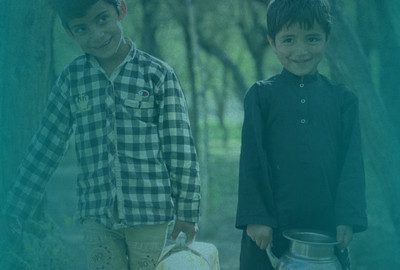
Teaching children about sadaqa is one of the most valuable lessons we can pass on.
Charity in Islam goes beyond giving money – it’s about kindness, gratitude, and helping others in everyday life.
Prophet Muhammad (saww) is reported to have said,
“Every kindly act is considered charity.” (Al-Khisal, p.134, n.145)
By starting young, we raise compassionate adults who see generosity as part of their faith.
In this guide, we’ll explore five practical ways to nurture the spirit of sadaqa in your home.
1. Start with Stories
Children learn best through stories, and the Quran offers many that highlight generosity and selflessness.
Share tales of the Prophet (saww) and Ahlulbayt (as) who gave charity despite facing hardship themselves.
One example is of Imam Ali (as) giving away his ring to a poor person while in ruku.
Making these stories part of your child’s daily life will nurture an instinct to care for others.
2. Lead by Example
Our actions often teach more than our words.
When children see parents giving ṣadaqa – whether through donating, helping a neighbour, or offering time in service – they absorb the lesson naturally.
By treating charity as an everyday habit, you show them that giving is an essential part of life.
3. Give Them Their Own Sadaqa Box
Giving children their own ṣadaqa box encourages independence and responsibility.
They can add coins, part of their pocket money, or even small notes about kind deeds.
This helps them understand that ṣadaqa is not only financial but also about intention and effort.
4. Involve Them in Giving
Involving children directly in charity makes it real for them.
Take them when donating to the mosque, helping at a food bank, or sharing with neighbours.
The Quran says,
“Whatever good you spend in charity, it is for your own good, and you should not spend but to seek Allah’s (swt) pleasure.” (2:272)
By experiencing the impact first-hand, they learn the joy of giving sincerely.
5. Teach Everyday Acts of Sadaqa
Ṣadaqa is much broader than money.
Smiling, greeting someone warmly, helping at school, or sharing with siblings are all counted as charity in Islam.
Reminding children of this encourages them to see kindness as a daily practice, not something limited to special occasions.
The Prophet (saww) is reported to have said,
“Your removal of an obstacle from the road is a charitable act; your guiding someone the way is a charitable act; your visiting the sick is a charitable act; your enjoinment of good to others is a charitable act; your forbidding others from wrongdoing is a charitable act, and your returning the greeting of peace is a charitable act.” (Bihar al-Anwar, v.75, p.50, n.4)
Conclusion
Instilling the value of ṣadaqa in children shapes them into adults who act with compassion and gratitude.
Charity becomes not just an act but a way of living – in small gestures of kindness as much as in larger efforts to help others.
By starting early, we nurture a generation who see generosity as central to their faith and their everyday lives.
FAQ
You can introduce the concept of sadaqa from an early age, even in preschool years, through simple actions like sharing toys, helping others, or putting coins into a donation box
You can say, “Sadaqa means helping others with kindness, money, or good deeds, and Allah (swt) loves it when we do that.”
No. While giving money is one form, sadaqa also includes smiling, helping a neighbour, sharing food, or any act of kindness.
Lead by example. Let your child see you giving regularly, involve them in family acts of charity, and praise their small contributions to help build a lasting habit.
More from blog

Bridging the Digital Divide Through Education
Discover how education and technology can help bridge the digital divide and create equal learning opportunities. Support children with the tools for…
Can Sadaqah Be More Than Money?
Sadaqah isn't only about giving money. Discover how your time, kindness, knowledge and actions can become acts of charity in Islam with…
The Future Starts with Education
Invest in education and help vulnerable children build skills, confidence and opportunity. Support The Zahra Trust’s Back to School appeal today.