
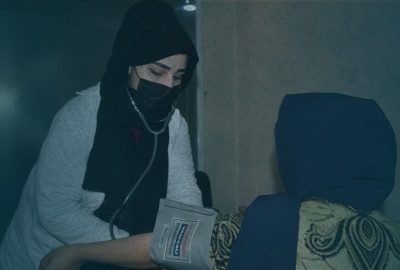
Poverty is a challenge faced by many in the UK and around the world – but one of the most effective solutions for this is educating women.
Providing women with education equips them with skills and understanding that can lift families out of poverty and strengthen society as a whole.
Prophet Muhammad (saww) is reported to have said,
“Seeking knowledge is an obligation upon every Muslim. Indeed, Allah loves those who strive in their pursuit of knowledge.” (Al-Kafi, v.1, p.30, n.1)
Educated women contribute to healthier households, stronger communities, and a brighter future for everyone.
The Impact of Education on Women and Communities
Studies indicate that every extra year a girl spends in school can boost her future earnings by up to 20%.
Women with education support better child health, reduce infant mortality, delay marriage, and increase household income. (UN Women)
Despite this, more than 122 million girls worldwide remain out of school, particularly in low-income areas where poverty limits educational access.
Economies and communities flourish where women are well-educated, highlighting the broad impact of female education. (World Bank Group)
Why Is Women’s Education a Key to Breaking Poverty Cycles?
Research shows that better-educated women make more informed choices about nutrition and health care, which lowers infant mortality and boosts family well-being. (World Bank Group)
Better-educated parents generally invest more in their children – both financially and in time – which supports their academic and social success. (IZA World of Labor)
Across countries, female education has a strong link to economic development – communities with more educated women see higher GDP growth. (World Bank Group)
Knowledge in Islam
In Islam, the pursuit of knowledge is highly valued, and the very first command revealed reflects this:
“Read (these Quranic verses) in the name of your Lord who created (the universe).” (96:1)
History provides clear examples of Muslim women who upheld this principle:
- Sayyida Khadija (sa): A successful businesswoman, she applied her knowledge and resources in support of the Prophet (saww).
- Sayyida Fatima (sa): She offered education and spiritual guidance to women in her community, including those working in her household.
- Sayyida Zainab (sa): She taught the world about the events of Karbala and defended the message of Islam with wisdom and strength.
Conclusion
Women’s education is a proven solution to poverty and an investment in the well-being of society.
By supporting women in learning, families prosper, communities grow stronger, and lasting change becomes possible.
FAQ
Educating women equips them with skills and opportunities that improve their lives, their families, and their communities. Studies show that women’s education directly contributes to better health, higher incomes, and stronger economies.
Yes. Educated mothers are more likely to send their children to school, support their development, and break cycles of poverty that pass from one generation to the next.
Poverty, early marriage, cultural barriers, and lack of safe schools are some of the main reasons why millions of girls remain out of school worldwide.
Islam emphasises the pursuit of knowledge for both men and women. From the Quran’s first command to “Read” to the lives of women like Sayyida Khadija (sa), Sayyida Fatima (sa), and Sayyida Zainab (sa), the faith highlights women’s vital role in learning and teaching.
Yes. Research shows that every year of schooling for girls not only boosts their future earnings but also improves the overall prosperity of families and societies.
More from blog
Bridging the Digital Divide Through Education
Discover how education and technology can help bridge the digital divide and create equal learning opportunities. Support children with the tools for…
Can Sadaqah Be More Than Money?
Sadaqah isn't only about giving money. Discover how your time, kindness, knowledge and actions can become acts of charity in Islam with…
The Future Starts with Education
Invest in education and help vulnerable children build skills, confidence and opportunity. Support The Zahra Trust’s Back to School appeal today.