
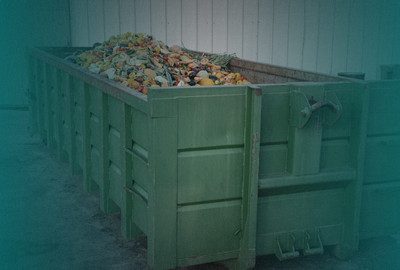
Islam teaches that food is a divine blessing and should never be wasted.
Prophet Muhammad (saww) would treasure even a single crumb, and the Quran cautions against israaf — wastefulness and going beyond proper limits.
As believers, we’re encouraged to show gratitude not just in words, but in how we treat what’s on our plate.
What is Israaf?
Israaf (إسراف) refers to excess and wastefulness, whether in spending, eating, or using resources unnecessarily.
In Islam, it’s considered a major sin and a sign of ingratitude.
The Quran warns us in Surah al-An’am, “But do not act extravagantly (because) Allah (swt) does not love the extravagant.” (6:141)
The Prophet (saww) has also reportedly said, “There is nothing of good to be found in waste, and nothing of waste to be found in good.” (Bihar al-Anwar, v.75, p.303, n.6)
Throwing food away is a form of israaf, and it goes against the Islamic call to live with gratitude, care, and social responsibility.
UK – Food Waste by the Numbers
According to Greenly, over one-third of all food produced — around 2.5 billion tonnes — is lost or wasted every year across the globe.
The UK alone discards around 9.5 million tonnes of food annually, according to Waste Managed.
This makes the UK the largest producer of food waste in Europe. Shockingly, most of this waste — around 70% — comes from households.
Back to School Campaign: Child Food Aid
A hungry child cannot learn. Our Child Food Aid program delivers hot, nutritious meals so students can focus on their education instead of their empty stomachs.
School meals improve nutrition, health, attendance, and learning outcomes, while also strengthening communities and local food systems.
Here’s how your gift can change lives:
- One week of meal support: £25
- One month of meal support: £100
- Full term (3 months) of meal support: £300
You can change a child’s life by contributing today.
Conclusion
In Islam, wasting food is more than bad manners — it’s a loss of blessings and a neglect of those in need. By avoiding israaf, we live our faith and help others.
Every plate saved from waste can mean a full plate for a hungry child. Through our Child Food Aid programme, you can help provide hot, nutritious meals so students can focus on learning and building a brighter future.
Donate today and make a lasting difference.
FAQ
Israaf refers to wastefulness or excess. In the Quran, Allah (swt) warns against israaf and encourages moderation in all aspects of life, including food. Avoiding waste is a way to show gratitude for Allah’s (swt) blessings.
Food waste in schools means lost resources, missed opportunities to feed children in need, and a negative impact on the environment. It also undermines efforts to teach students about responsibility and compassion.
Hunger can make it harder for children to concentrate, learn, and perform well in school. By reducing food waste and providing meals to those in need, we can help improve attendance, focus, and overall academic outcomes.
Schools can introduce portion control, allow flexible mealtimes, run food-sharing programs, and educate students about the importance of avoiding waste. Involving parents and communities in these efforts can also make a big difference.
You can support initiatives like our Child Food Aid programme by donating. Your contribution helps provide hot, nutritious meals for children in need, ensuring they have the energy to learn and thrive.
More from blog

Bridging the Digital Divide Through Education
Discover how education and technology can help bridge the digital divide and create equal learning opportunities. Support children with the tools for…
Can Sadaqah Be More Than Money?
Sadaqah isn't only about giving money. Discover how your time, kindness, knowledge and actions can become acts of charity in Islam with…
The Future Starts with Education
Invest in education and help vulnerable children build skills, confidence and opportunity. Support The Zahra Trust’s Back to School appeal today.