
Muharram Traditions and Practices Around the World: Honouring Ashura Through Faith and Community
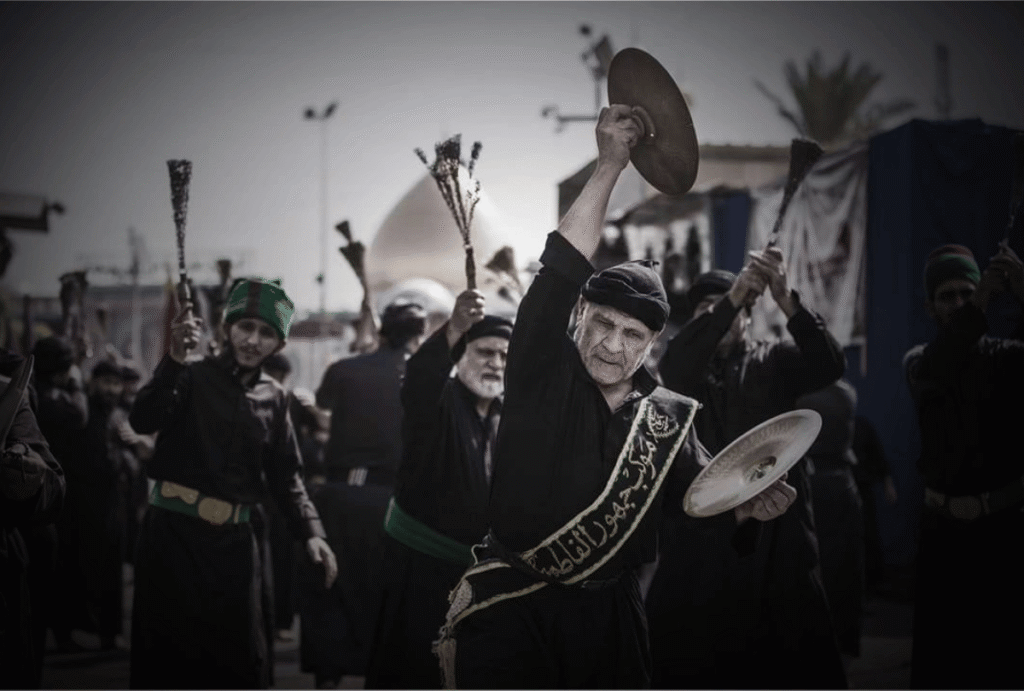
Every year, the arrival of Muharram changes the rhythm of life for millions of Shia Muslims around the world. Black banners appear in homes and mosques, gatherings of remembrance begin, and hearts turn towards Karbala. Though cultures and languages may differ, one message unites believers everywhere: loyalty to Imam Hussain (as) and the values he gave his life to protect.
Muharram is not simply a historical remembrance. It is a living tradition of faith, sacrifice, justice, and compassion that continues to inspire generation after generation.
Allah (swt) says in the Holy Quran:
The remembrance of Muharram purifies the heart by reconnecting believers to truth, sincerity, and devotion to the Ahlulbayt (as).
Why Muharram Holds Such Deep Meaning
Muharram marks the beginning of the Islamic year, but for Shia Muslims it is also the month of mourning for Imam Hussain (as), the grandson of the Prophet Muhammad (saww).
The tragedy of Karbala on the 10th of Muharram, known as Ashura, was not only a battle. It was a stand against oppression, injustice, and moral corruption. Imam Hussain (as) sacrificed everything to preserve the values of Islam and protect the dignity of humanity.
For this reason, believers across the world continue to honour his sacrifice through remembrance, reflection, and service to others.
Majalis: Gatherings of Remembrance
One of the most recognised Muharram traditions is the majlis, a gathering where believers come together to remember the events of Karbala.
In the UK, mosques and Islamic centres hold nightly programmes throughout the first ten days of Muharram. Reciters and scholars speak about the courage of Imam Hussain (as), the loyalty of Hazrat Abbas (as), and the patience of Sayyida Zainab (as).
These gatherings often include:
Quran recitation
Lectures about Karbala
Noha and latmiyah recitations
Community meals
Opportunities for charity and donation
For many families, attending majlis is a deeply emotional and spiritual tradition passed from one generation to the next.
Muharram Traditions Across Different Cultures
Although the message of Karbala is universal, communities express their grief and devotion in different cultural ways.
In Iraq and Iran, millions gather for large public mourning processions. In South Asian communities, majalis often continue for the first two months of the Islamic calendar. In East Africa, families gather in close-knit community centres for remembrance and reflection.
Across the UK, Shia communities bring together traditions from many backgrounds while remaining united in love for the Ahlulbayt (as).
This diversity reminds us that Imam Hussain (as) belongs to all believers, regardless of language or nationality.
Acts of Charity During Muharram
Muharram is also a time of giving.
Many believers honour Imam Hussain (as) by feeding others, supporting vulnerable families, and giving Sadaqah in the spirit of Karbala. Water distributions are especially common because of the thirst suffered by Imam Hussain (as) and his family in Karbala.
Teaching Children the Message of Karbala
For many parents, Muharram is an opportunity to teach children about courage, honesty, patience, and faith.
Children often attend special programmes where they learn about Imam Hussain (as) through storytelling, poetry, and simple lessons about kindness and standing up for truth.
These early memories help build a lifelong connection with the Ahlulbayt (as) and ensure that the message of Karbala continues for future generations.
A Time for Reflection and Personal Change
Muharram encourages believers to look inward as well as outward.
The sacrifice of Imam Hussain (as) reminds us to ask difficult questions about our own character, faith, and responsibilities.
Are we standing for truth? Are we helping those in need? Are we living with sincerity and compassion?
The lessons of Karbala are not limited to history. They shape the way believers live every day.
Keeping the Spirit of Muharram Alive
Today, Muharram traditions continue to unite Shia Muslims around the world through remembrance, worship, and service.
Whether through attending majlis, feeding others, reciting nohas, or supporting charitable causes, every act of remembrance helps keep the legacy of Imam Hussain (as) alive.
At The Zahra Trust UK, Muharram is also a reminder to serve humanity with dignity and compassion, reflecting the timeless values of Karbala.
Frequently Asked Questions
What is Muharram?
Muharram is the first month of the Islamic calendar and a sacred month in Islam. For Shia Muslims, it is a period of mourning for Imam Hussain (as) and the tragedy of Karbala.
Why is Ashura important?
Ashura marks the 10th day of Muharram, the day Imam Hussain (as) was martyred in Karbala while standing against injustice and oppression.
What happens during a majlis?
A majlis is a gathering where believers remember the events of Karbala through Quran recitation, lectures, poetry, and mourning rituals.
Why do Shia Muslims give charity during Muharram?
Many believers honour Imam Hussain (as) by feeding people, providing water, and helping vulnerable families during Muharram.
Are Muharram traditions different around the world?
Yes. While the message of Karbala remains the same, cultural expressions of mourning and remembrance vary between communities and countries.
What lessons does Muharram teach?
Muharram teaches believers about sacrifice, courage, justice, patience, compassion, and loyalty to truth.
How can families observe Muharram together?
Families can attend majlis together, recite Quran, discuss the lessons of Karbala, give charity, and teach children about Imam Hussain (as).
More from blog
Bridging the Digital Divide Through Education
Discover how education and technology can help bridge the digital divide and create equal learning opportunities. Support children with the tools for…
Can Sadaqah Be More Than Money?
Sadaqah isn't only about giving money. Discover how your time, kindness, knowledge and actions can become acts of charity in Islam with…
The Future Starts with Education
Invest in education and help vulnerable children build skills, confidence and opportunity. Support The Zahra Trust’s Back to School appeal today.