
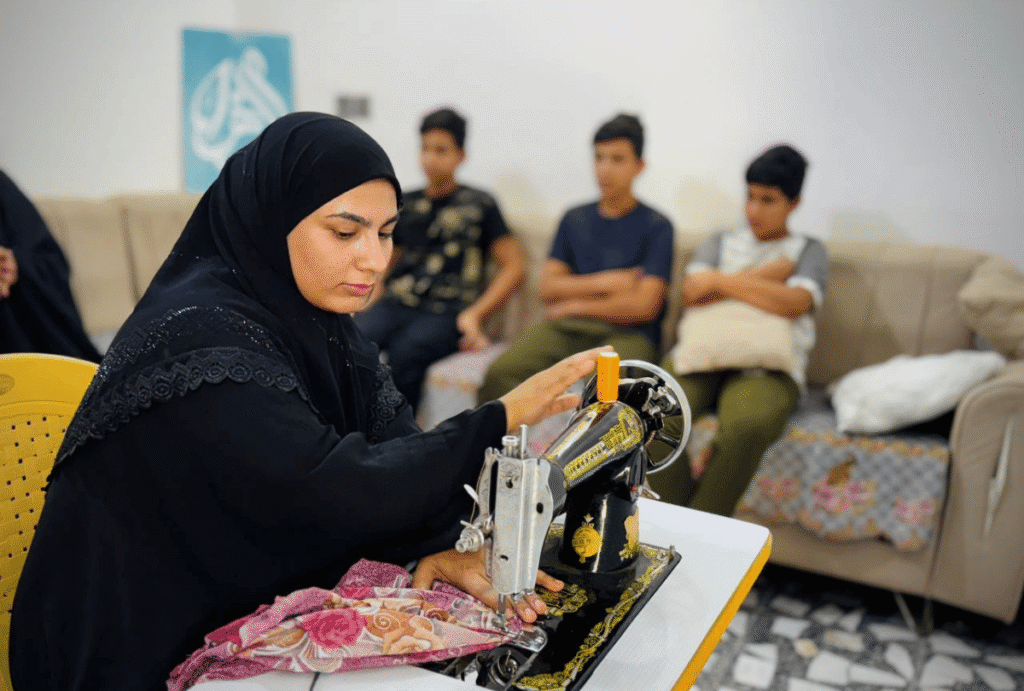
A food parcel can feed a family for days.
Emergency aid can provide relief during moments of crisis.
But what happens when the assistance ends?
For many vulnerable families, lasting change begins when they gain the skills, confidence, and opportunities needed to support themselves. That is why skills training is about far more than learning a trade. It is about restoring dignity, rebuilding confidence, and creating a future filled with possibility.
More than learning a new skill
When someone learns a skill, they gain more than the ability to earn an income.
They gain independence. They gain confidence in their own abilities. They gain the opportunity to provide for themselves and their families without relying solely on external support.
For widows, vulnerable women, and families facing hardship, this transformation can be life-changing.
Allah (swt) says in the Holy Quran:
“And that there is not for man except that [good] for which he strives.” (53:39)
This verse reminds us of the dignity found in effort, growth, and striving towards a better future.
A path out of poverty
Poverty is rarely solved through a single intervention.
Many families need opportunities that enable them to generate income and create long-term stability. Skills training provides exactly that.
By learning practical vocational skills, individuals can develop sustainable livelihoods that help them support their households and reduce their vulnerability to future hardship.
Rather than addressing only immediate needs, skills training tackles some of the underlying causes of poverty itself.
From dependence to independence
One of the most powerful outcomes of vocational training is the shift from dependence to independence.
Whether through tailoring, handicrafts, literacy education, small business development, or other livelihood programmes, participants gain tools they can use for years to come.
These skills create opportunities for employment, self-employment, and income generation that can transform entire households.
The ability to earn and provide for loved ones brings a sense of purpose and dignity that extends far beyond financial benefit.
Strengthening families and communities
The impact of skills training does not stop with one individual.
When a parent gains a reliable source of income, children are more likely to access education, healthcare, and nutritious food. Families become more resilient, and communities become stronger.
One person's opportunity can create positive change for many others.
This is why investing in livelihoods has such far-reaching benefits. It helps break cycles of poverty and creates pathways towards lasting prosperity.
Restoring hope through opportunity
For many people facing hardship, poverty can affect more than finances. It can undermine confidence, limit opportunities, and create feelings of uncertainty about the future.
Skills training helps restore hope.
By providing practical tools and meaningful opportunities, it allows individuals to see new possibilities for themselves and their families.
The chance to build a sustainable future can be just as valuable as the income that follows.
Turning support into lasting change
At The Zahra Trust, we believe humanitarian aid should do more than meet immediate needs.
Emergency support remains essential, but lasting change requires long-term solutions that empower people to build self-sufficient futures.
That is why our livelihood and vocational training programmes help widows, vulnerable women, and disadvantaged families develop practical skills that create sustainable opportunities.
By investing in people, we help create futures rooted in dignity, resilience, and hope.
Support sustainable livelihoods with The Zahra Trust
Every skill learned can become the foundation for a brighter future.
Through vocational training, literacy programmes, and livelihood initiatives, The Zahra Trust helps vulnerable individuals gain the tools they need to support themselves and their families with dignity.
Together, we can help transform lives, strengthen communities, and create lasting change that extends far beyond immediate relief.
Frequently asked questions
What is skills training?
Skills training refers to educational and vocational programmes that teach practical abilities such as tailoring, handicrafts, literacy, business skills, and other trades that can help individuals earn a sustainable income.
How does skills training help reduce poverty?
Skills training equips individuals with the knowledge and abilities needed to secure employment or start income-generating activities, helping them become financially independent and less vulnerable to poverty.
Why is dignity important in humanitarian work?
Dignity allows individuals to maintain self-respect, independence, and control over their lives. Empowerment-based programmes such as skills training help people build sustainable futures rather than relying solely on aid.
Who benefits from livelihood programmes?
Livelihood programmes often support widows, vulnerable women, low-income families, displaced communities, and individuals facing barriers to employment and financial stability.
What types of skills does The Zahra Trust teach?
Depending on local needs, programmes may include tailoring, handicrafts, literacy education, business development, vocational trades, and other practical livelihood skills.
How do skills training programmes strengthen communities?
When individuals gain employment or establish sustainable livelihoods, they contribute to household income, support their families, and help stimulate local economic activity.
Is skills training better than direct aid?
Both are important. Emergency aid addresses immediate needs, while skills training provides long-term solutions that help individuals become self-sufficient and resilient.
How does The Zahra Trust support sustainable livelihoods?
The Zahra Trust invests in vocational training, education, and livelihood programmes that empower vulnerable individuals to earn an income, support their families, and build brighter futures.
More from blog
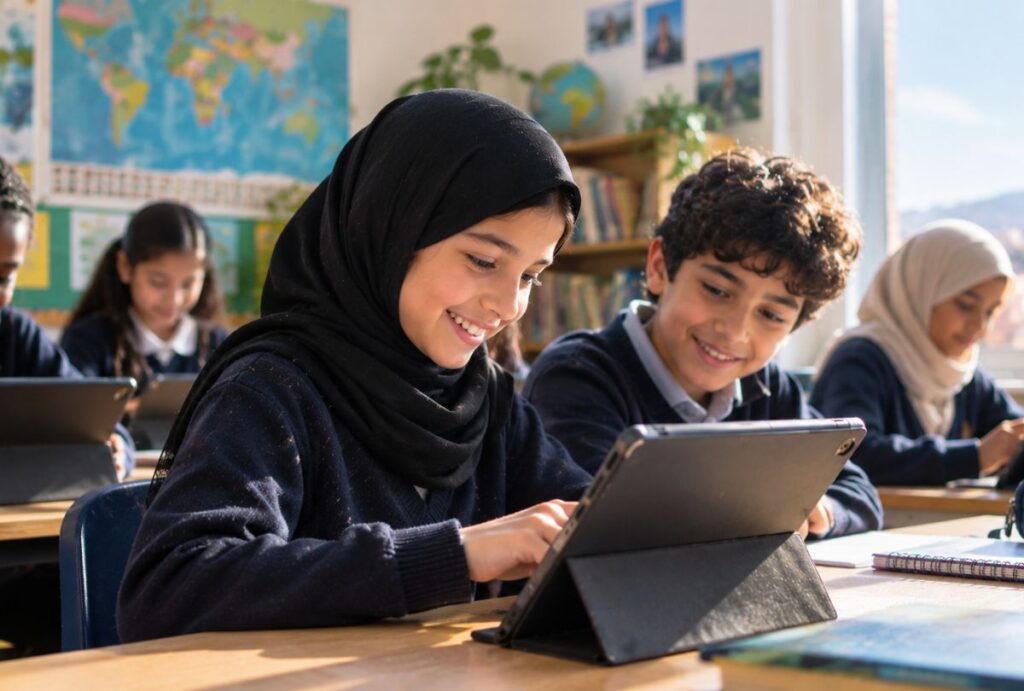
Bridging the Digital Divide Through Education
Discover how education and technology can help bridge the digital divide and create equal learning opportunities. Support children with the tools for…
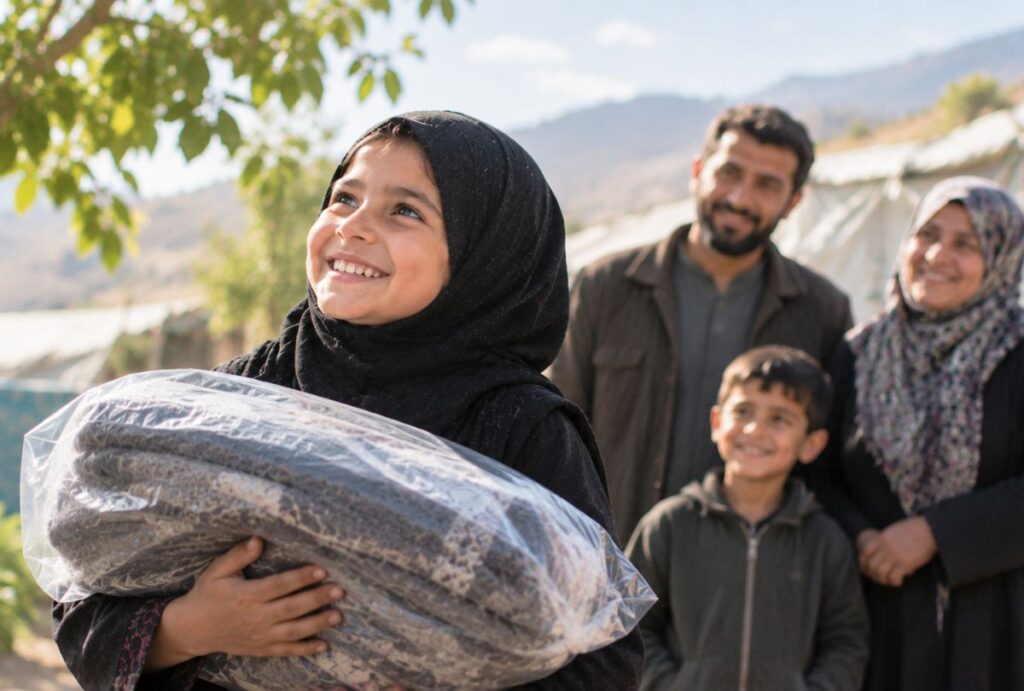
Can Sadaqah Be More Than Money?
Sadaqah isn't only about giving money. Discover how your time, kindness, knowledge and actions can become acts of charity in Islam with…
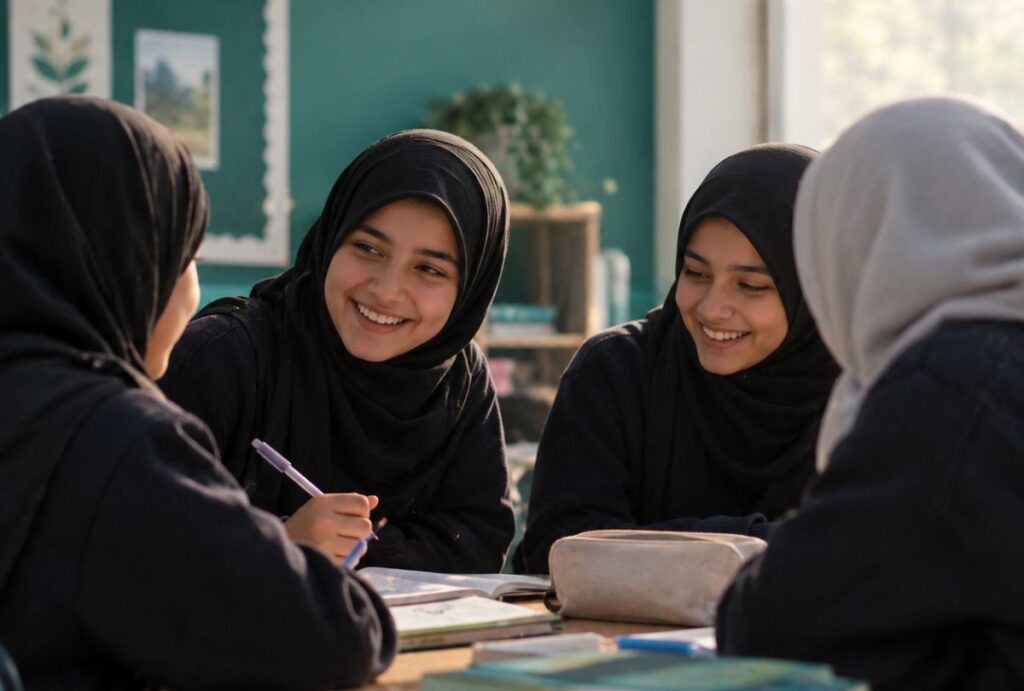
The Future Starts with Education
Invest in education and help vulnerable children build skills, confidence and opportunity. Support The Zahra Trust’s Back to School appeal today.