
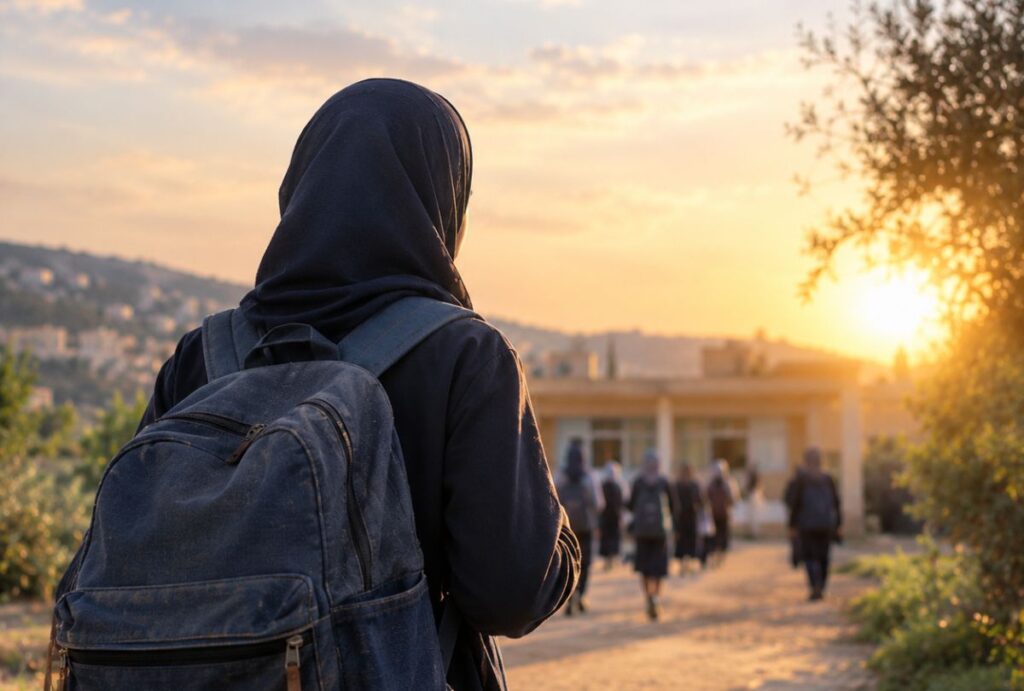
For many children living in poverty, education is not out of reach because they lack ambition. It can be out of reach because everyday barriers make attending school difficult.
A school uniform, backpack, books, stationery, transport, school fees or a reliable meal may seem like simple necessities. For a child and their family, however, these basics can influence whether they are able to enter the classroom, attend consistently and focus on learning.
This is where an education donation can become part of something much bigger.
Supporting a child’s education is not simply about providing an item for the school year. It can help remove practical obstacles, create a sense of dignity and belonging, and give a child the opportunity to keep learning.
The Quran reminds us of the importance of continually seeking knowledge:
“…And say, ‘O My Lord! increase me in knowledge.’” (20:114)
The journey from a child’s first day at school to graduation does not happen overnight. It is built through many small opportunities to learn, develop and grow.
Removing the Barriers to School
Before a child can dream about graduation, they need the chance to walk through the school gates.
For families facing financial hardship, the cost of education can include much more than tuition. Children may need uniforms, school supplies, books, meals and other essentials simply to participate fully in school life.
An education donation can contribute towards support such as:
-Back-to-school essentials, including uniforms and educational supplies
-School fees and tuition support
-Nutritious food that helps children attend school ready to learn
-Hygiene assistance and essential resources
-Learning materials and educational tools
-Safe and suitable learning environments
-Support that helps children facing additional barriers to education
Removing one obstacle may not solve every challenge a child faces. It can, however, make it easier for them to take the next step.
The difference can be particularly important at the beginning of a school year. A child who has the uniform they need, the supplies they need and the confidence to enter the classroom can begin the year feeling included rather than left behind.
From Attendance to Meaningful Learning
Getting children into school is an essential first step, but education is about more than attendance.
Children need the opportunity to develop foundational skills such as reading, writing, numeracy, communication and problem-solving. They need teachers, appropriate learning resources and an environment where they can concentrate and participate.
UNESCO reported that 251 million children and young people remained out of school globally, while the global upper-secondary completion rate was 59% in 2023. These figures highlight how many children and young people still face challenges in accessing and completing education.
Food can also play an important role in a child’s ability to engage with learning. When a child is hungry, concentrating on a lesson can become much harder. Supporting child food aid alongside education initiatives can therefore help address some of the practical circumstances surrounding a child’s education.
Imam Ali (as) is reported to have said,
“Knowledge is the lamp of the intellect.” (Ghurar al-Hikam, n.536)
An education donation can help provide some of the conditions in which that knowledge can be pursued. A book, a meal, a uniform or support with school fees may appear small individually, but each can contribute to a child’s ability to remain engaged with learning.
Knowledge, Confidence and Future Opportunity
As children progress through school, education can influence more than academic achievement.
Learning can help young people develop confidence, independence and practical skills. It can help them communicate, make informed decisions, understand their rights and responsibilities, and consider opportunities for further education, vocational training and employment.
This does not mean that education guarantees a particular career or income. Circumstances vary greatly between individuals and communities. Rather, education can widen the choices available to a young person and help equip them to make use of future opportunities.
The World Bank has identified education as an important contributor to employment, earnings, health, poverty reduction and civic engagement. Its research has also found an average global increase of around 9 to 10% in earnings associated with each additional year of schooling, although outcomes differ according to factors such as country, education quality and labour-market conditions.
The Islamic tradition places profound value on the pursuit of knowledge.
“Seeking knowledge is an obligation on every Muslim. Indeed, how Allah (swt) loves those who strive in their quest for knowledge.” (al-Kafi, v.1, p.30, n.1)
For a child experiencing poverty, supporting access to education can therefore mean helping create an opportunity to develop knowledge and skills that may remain valuable throughout their life.
The Ripple Effect Beyond Graduation
The impact of education does not necessarily stop when a child completes school.
A young adult who has gained knowledge, skills and confidence may use them to pursue further study, seek employment, support their family or contribute to their community. Some may become teachers, healthcare professionals, entrepreneurs, organisers or other community contributors.
The benefits can extend beyond one individual.
Greater educational opportunity can influence family life, economic participation and the way knowledge is shared with younger generations. A young person who has experienced the value of education may also encourage siblings, friends or other children to remain committed to their studies.
Our education work demonstrates the importance of looking at children’s needs holistically, including educational support, wellbeing and skills development. Through our Back to School campaign, we have also highlighted the longer-term journey of former beneficiaries, including Mahdi, who went on to qualify as a medical specialist and prepare to serve the community that had supported him.
Such stories illustrate why education can have a ripple effect. The child receiving support today may eventually become someone who uses their knowledge and skills to help others tomorrow.
One Education Donation, Many Possibilities
A donation does not have to fund every stage of a child’s life to be meaningful. It can become one part of a wider chain of support that helps them keep moving forward.
Starting school: A uniform, backpack, books and stationery can help remove immediate barriers to attendance and make it easier for a child to begin the school year with dignity.
Staying in school: Support with fees, meals, transport and hygiene can help address some of the practical challenges that may make consistent attendance difficult.
Learning well: Qualified teachers, suitable facilities and educational tools can help children develop literacy, numeracy, communication skills and confidence.
Preparing for adulthood: Secondary education, digital learning and skills training can strengthen opportunities for further study, vocational development and employment.
Giving back: The knowledge, skills and experience gained through education may eventually benefit families and communities, as young people contribute through their work, income and participation.
The important point is not that one donation instantly changes everything. It is that one act of giving can contribute to the support a child needs at a crucial point in their journey.
A backpack can help them begin the school year. Continued educational support can help them remain on that path. Over time, learning can help create opportunities that reach far beyond the classroom.
Prophet Muhammad (saww) is reported to have said,
“Verily the angels spread their wings over the seeker of knowledge and seek forgiveness on his behalf.” (Kanz al-Ummal, n.28745)
Supporting a child’s pursuit of knowledge can therefore be viewed not only through the practical impact of education, but also through the Islamic value placed upon seeking and sharing knowledge.
Help Remove the Barriers to Learning
A school bag should not decide a child’s future.
For many children, a backpack, school uniform, warm meal or school fee is not a luxury. It can be the difference between being able to participate in education and being left behind.
Your support can help remove these barriers and help children begin the school year with dignity and confidence. Through education and wellbeing support, your donation can contribute to meeting some of the practical needs that surround a child’s education.
Every child deserves the chance to learn.
Frequently Asked Questions
How can an education donation help a child?
An education donation can help address practical barriers that make school difficult to access or continue, such as the cost of uniforms, educational supplies, school fees and food. By contributing towards these needs, donors can help children participate in education with greater dignity and confidence.
Why is education important for children living in poverty?
Poverty can create barriers that make it harder for children to attend school consistently and benefit from learning. Education can help children develop knowledge, foundational skills and confidence, while potentially widening their future opportunities for further study, employment and participation in their communities.
What can a school donation provide?
Depending on the programme and a child’s needs, educational support may contribute towards items such as school uniforms, backpacks, books and stationery, as well as school fees, food, hygiene assistance and other learning resources.
Can one donation really make a difference?
One donation cannot address every challenge a child may face, but it can contribute to removing an important barrier. A uniform, school meal, educational resource or contribution towards school fees can become part of the support that helps a child enter or remain in education.
What is the long-term impact of supporting a child’s education?
The long-term impact can extend beyond a child’s time in school. Education can help develop knowledge, skills and confidence that may support future study, employment and greater independence. A young person may also use what they have learnt to support their family and contribute to their wider community.
How can I help a child go back to school?
You can support children through donations towards their education and wellbeing. Your contribution can help address some of the practical barriers children and families face when preparing for the school year.
More from blog
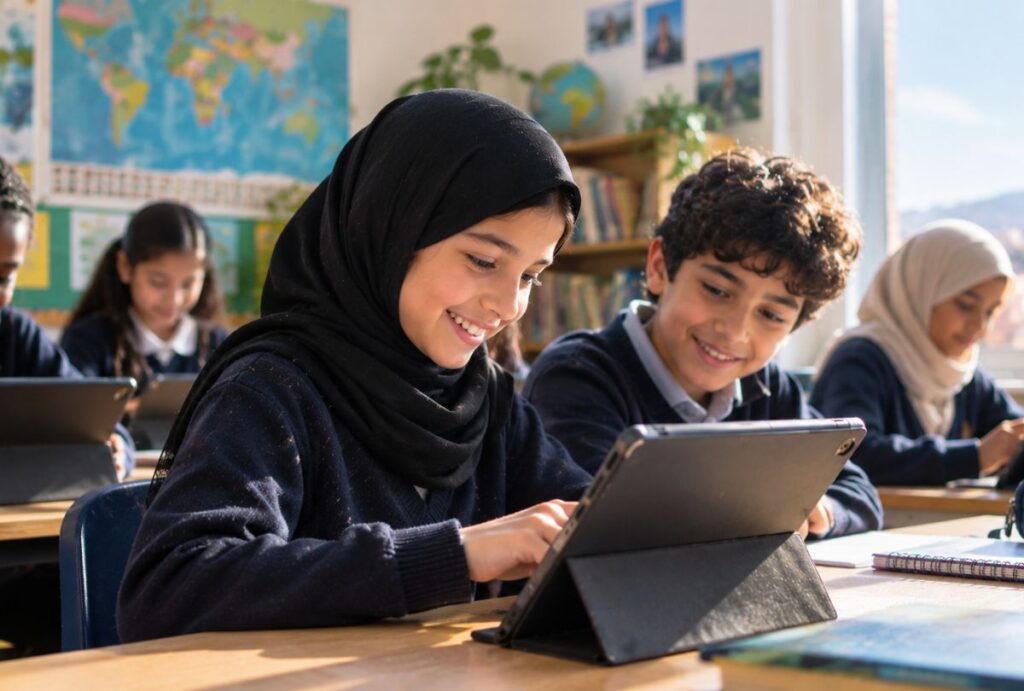
Bridging the Digital Divide Through Education
Discover how education and technology can help bridge the digital divide and create equal learning opportunities. Support children with the tools for…
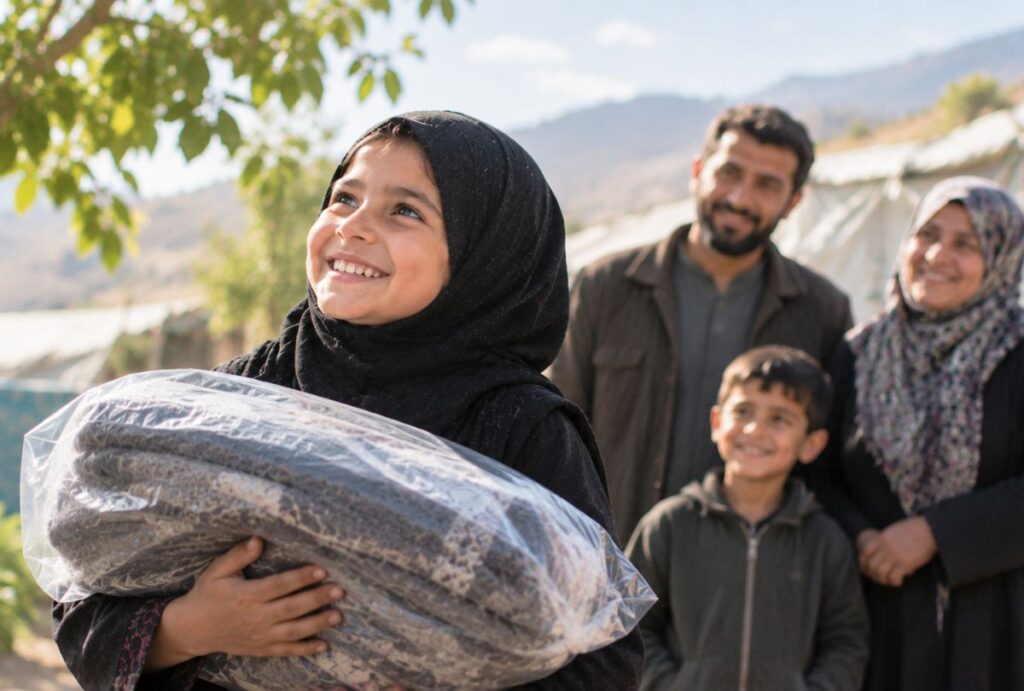
Can Sadaqah Be More Than Money?
Sadaqah isn't only about giving money. Discover how your time, kindness, knowledge and actions can become acts of charity in Islam with…
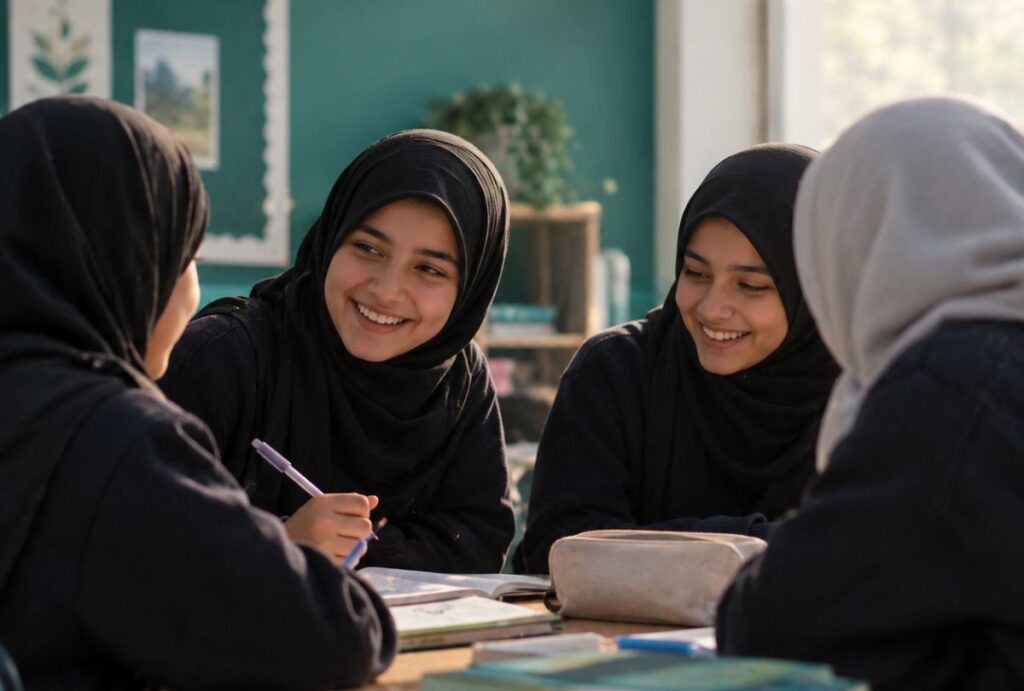
The Future Starts with Education
Invest in education and help vulnerable children build skills, confidence and opportunity. Support The Zahra Trust’s Back to School appeal today.