
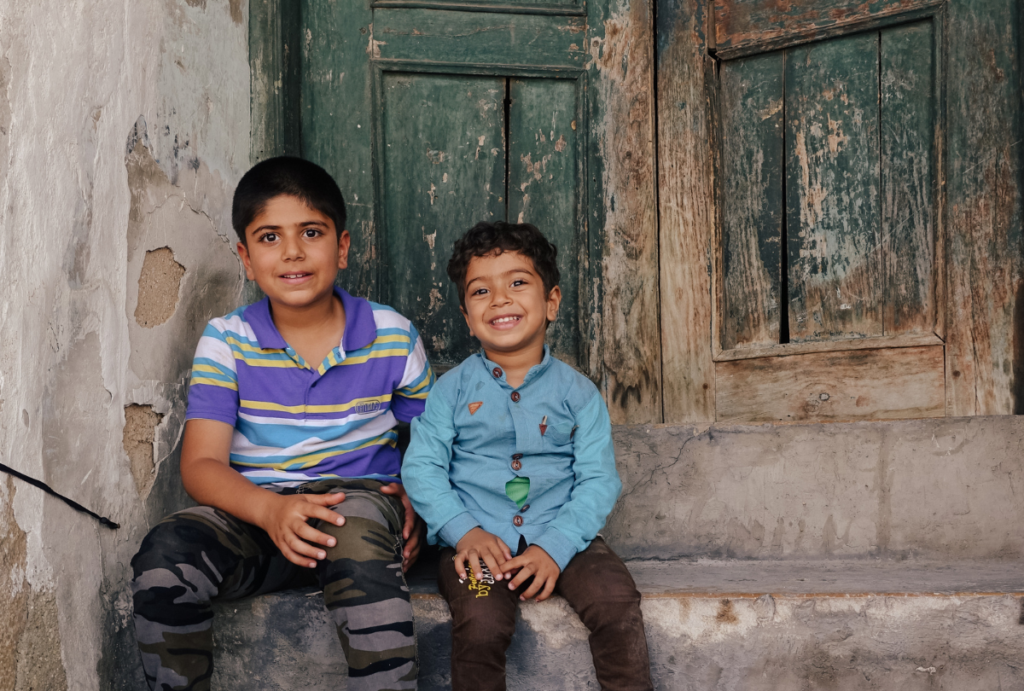
When people think of humanitarian aid, they often picture food parcels, clean water, shelter and medical care. These forms of assistance are essential for survival during crises. Yet there is another life-changing intervention that is often overlooked.
Education.
For millions of children affected by conflict, displacement and disaster, access to learning is not a luxury that can wait until life returns to normal. It is a vital humanitarian response that protects lives, restores hope and helps communities recover.
Without education, children face greater risks of exploitation, child labour, early marriage, trafficking and recruitment into armed groups. Schools provide more than lessons. They create safe spaces where children can regain a sense of routine, receive emotional support and begin rebuilding their futures.
Recognising education as humanitarian aid means recognising that protecting a child’s future is just as important as protecting their present.
Education protects children during times of crisis
Emergencies disrupt every aspect of a child’s life. Homes may be destroyed, families separated and communities displaced. In these circumstances, education offers stability when everything else feels uncertain.
A functioning school provides children with structure, trusted adults and opportunities to connect with their peers. It also gives humanitarian organisations a safe environment to deliver health information, psychosocial support and child protection services.
Research consistently shows that children who remain in education during emergencies are less vulnerable to abuse, exploitation and violence. For families living through conflict or disaster, keeping children in school can become an important source of resilience.
Education does not replace food or healthcare. Instead, it strengthens humanitarian efforts by helping children stay safe while preserving their dignity and wellbeing.
A right that does not end during conflict
International law makes it clear that children’s rights do not disappear during war or humanitarian crises.
The United Nations Convention on the Rights of the Child affirms every child’s right to education, health, protection and development, even during armed conflict. It has transformed the way children are viewed, recognising them not simply as victims of war but as individuals whose rights must continue to be upheld.
This legal framework has encouraged governments, humanitarian organisations and international agencies to prioritise education in emergency responses. It has also strengthened efforts to protect schools, prevent their military use and ensure children continue learning wherever possible.
Despite these commitments, attacks on schools, displacement and insecurity continue to prevent millions of children from accessing education. The gap between international promises and reality highlights why education must remain a core humanitarian priority rather than an afterthought.
Knowledge holds a special place in Islam
For Muslims, the importance of education extends beyond international law. Seeking knowledge is an act of worship that benefits both individuals and society.
Allah (swt) says:
This verse reminds us that knowledge elevates people in both faith and character. Education develops understanding, encourages compassion and equips individuals to contribute positively to their communities.
The Prophet (saww) also highlighted the honour given to those who pursue knowledge. He is reported to have said:
These teachings remind us that supporting education is not only an investment in someone’s future. It is an act that aligns with Islamic values of mercy, justice and human dignity.
Learning helps communities recover
Education does more than support individual children. It strengthens entire communities.
Schools also encourage social cohesion. In places affected by conflict, classrooms can bring together children from different backgrounds, promoting understanding and reducing divisions that violence often creates.
Parents also benefit. When children attend school, families gain hope that the next generation will have greater opportunities despite the hardships they have experienced.
Humanitarian assistance should never focus only on surviving today. It should also create the conditions for stronger and more resilient communities tomorrow.
The example of the Ahlulbayt (as)
The emphasis Islam places on education is reflected in the teachings of Prophet Muhammad (saww) and the Ahlulbayt (as), who consistently encouraged the pursuit and sharing of knowledge.
The Prophet (saww) is reported to have said:
Imam Ali (as) also became renowned as a teacher whose wisdom shaped generations of Muslims. His sermons, letters and sayings continue to inspire people to seek understanding, justice and moral excellence.
Supporting a child’s education reflects this enduring Islamic tradition. By helping others learn, we invest in knowledge that can benefit families and communities for years to come.
Why humanitarian responses must include education
Emergency responses often begin with urgent needs such as food, clean water and shelter. These remain essential.
However, when education is delayed for months or even years, children lose more than classroom time. Many never return to school at all.
Treating education as a core humanitarian service means ensuring children have access to safe learning spaces, trained teachers, learning materials and the support needed to continue their education despite difficult circumstances.
It also means recognising that education protects mental health, reduces long term vulnerability and gives children hope during some of the darkest periods of their lives.
Humanitarian aid should not only keep people alive. It should also preserve the opportunities that allow them to thrive.
Every child deserves the chance to learn
Education saves lives in ways that are not always immediately visible. Alongside food, shelter and healthcare, it protects children from harm, restores hope and lays the foundation for lasting recovery. Every lesson learned today creates new opportunities for tomorrow, helping children and communities move beyond crisis towards a brighter future.
For many children, the greatest obstacle is not a lack of determination, but the barriers created by poverty. A school uniform, a backpack, school fees or a daily meal can make the difference between entering the classroom and being left behind.
By helping remove these barriers, you can give a child the chance to begin the school year with dignity, confidence and hope. Every child deserves the opportunity to learn because every future begins with a chance to learn. By helping remove these barriers, you can give a child the chance to begin the school year with dignity, confidence and hope. Every child deserves the opportunity to learn because every future begins with a chance to learn.
Through your support of The Zahra Trust, you can help make that opportunity a reality.
Frequently Asked Questions
Why is education considered humanitarian aid?
Education protects children during emergencies by providing safe spaces, emotional support and opportunities to continue learning. It also reduces risks such as exploitation, child labour and recruitment into armed groups, making it an essential part of humanitarian assistance.
Why is education important during emergencies?
Education creates stability during periods of uncertainty. It helps children regain routine, supports their wellbeing and equips them with knowledge and skills that contribute to long term recovery.
Does international law protect a child’s right to education during conflict?
Yes. The United Nations Convention on the Rights of the Child recognises education as a fundamental right that continues during armed conflict and humanitarian emergencies.
What does Islam teach about seeking knowledge?
Islam places great importance on learning. The Quran and the teachings of the Prophet (saww) encourage Muslims to seek knowledge throughout their lives and recognise education as a means of personal and spiritual growth.
How does education help communities recover after crises?
Families can teach children about Karbala through age-appropriate stories, discussions, activities and by showing how its values apply to kindness, honesty and helping others.
How can I help children access education?
Supporting charities that remove financial barriers to education can help children attend school with the supplies, nourishment and opportunities they need to learn with dignity.
More from blog
Bridging the Digital Divide Through Education
Discover how education and technology can help bridge the digital divide and create equal learning opportunities. Support children with the tools for…
Can Sadaqah Be More Than Money?
Sadaqah isn't only about giving money. Discover how your time, kindness, knowledge and actions can become acts of charity in Islam with…
The Future Starts with Education
Invest in education and help vulnerable children build skills, confidence and opportunity. Support The Zahra Trust’s Back to School appeal today.